






Manila Bulletin
 Philippines
National
Passenger volume in seaports hits 2.9M as travelers return after Holy Week
Philippines
National
Passenger volume in seaports hits 2.9M as travelers return after Holy Week
Philippines
National
Passenger volume in seaports hits 2.9M as travelers return after Holy Week
Passenger volume in seaports hits 2.9M as travelers return after Holy Week
50 percent drop in drowning cases recorded
Published Apr 5, 2026 02:13 pm


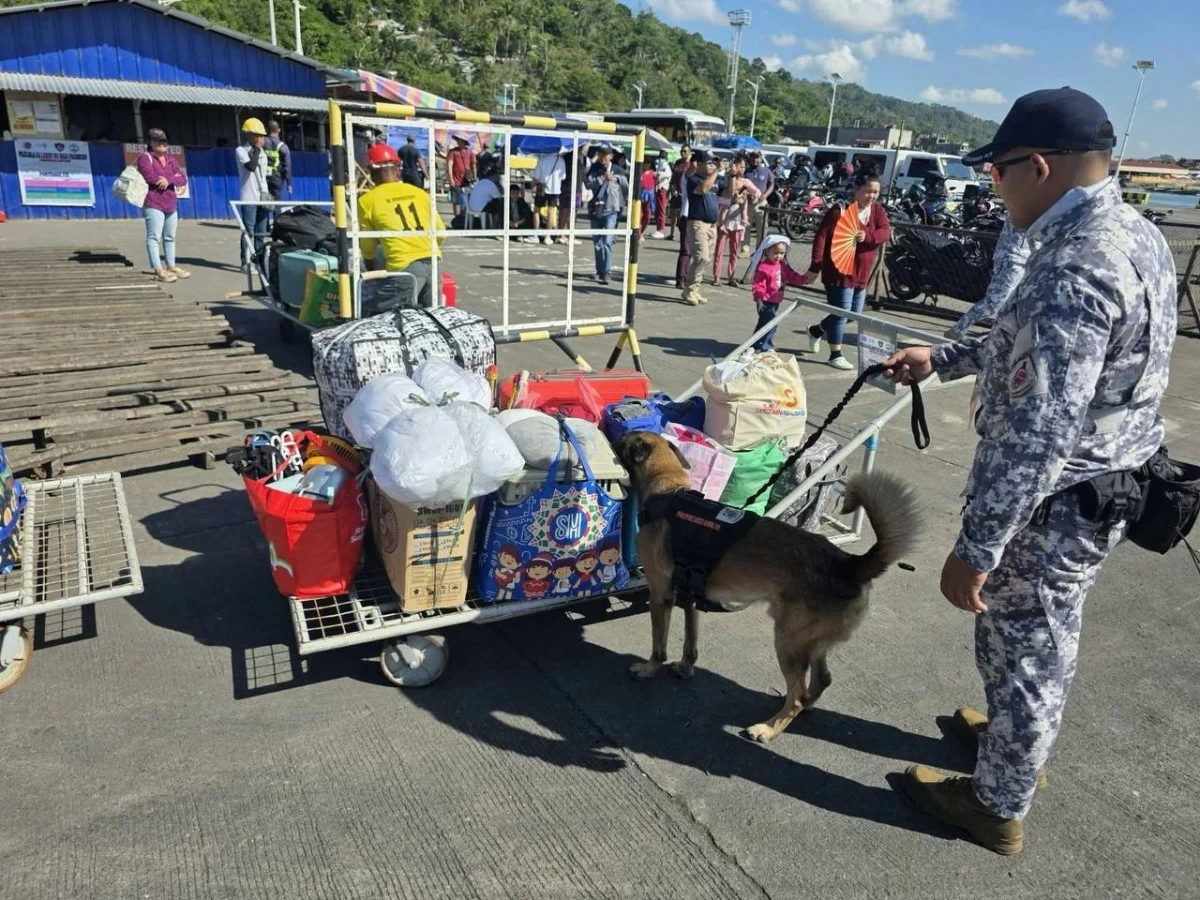
The Philippine Coast Guard (PCG) implements strict security inspection at the Pasacao Port in Camarines Sur on April 4, 2026 as travelers return to Metro Manila after the Holy Week break. (Photo: PCG)
The Philippine Coast Guard (PCG) said that passenger traffic in seaports nationwide reached 2.9 million as of noontime of Easter Sunday, April 5, as travelers returned home after the Holy Week break.
PCG spokesperson Commodore Noemie Cayabyab said there were no major concerns recorded during the monitoring period. Around 17,000 PCG personnel were deployed since the monitoring began on Palm Sunday, March 28.
“As of now, we have recorded around 2.9 million inbound and outbound passengers, and we expect travelers to continue returning today,” she said.
The current volume tracked closely with the 3,054,000 passengers recorded during the same period last year. The PCG expects the final tally to match the 2025 numbers by the end of the day.
According to the PCG, the busiest maritime hubs included Cebu, Batangas, Aklan, Iloilo, and Davao, which saw a significant influx of people due to their proximity to popular tourist destinations.
“There are a fairly significant number of passengers in these ports, most likely because there are many popular tourist destinations in these areas. That is why these areas are really crowded with tourists and travelers,” Cayabyab explained.
Drowning incidents down
Meanwhile, the PCG reported a sharp drop in drowning incidents nationwide, with 26 incidents recorded from March 28 to April 5, lower than the 53 cases during the same period last year.
The PCG attributed the decline to stronger public awareness, increased patrols, and coordination with local governments and resort operators.
‘Sea travel remains popular amid oil price hike’
And despite a spike in oil prices, sea travel remained a primary choice for Filipinos as the PCG noted 15,131 vessels have been inspected so far, an increase from the 14,337 ships checked during the previous year.
“We have observed that despite the challenges brought about by the high fuel prices in the market, many sea vessels are still sailing,” Cayabyab said.