






Manila Bulletin
 Lifestyle
Fashion and Beauty
How Maia Urrutia built her brand on trust, sustainability, and fashion circularity
Lifestyle
Fashion and Beauty
How Maia Urrutia built her brand on trust, sustainability, and fashion circularity
Lifestyle
Fashion and Beauty
How Maia Urrutia built her brand on trust, sustainability, and fashion circularity
How Maia Urrutia built her brand on trust, sustainability, and fashion circularity
Published Apr 5, 2026 01:02 pm


In today’s luxury landscape, resale is the moment. At the forefront of that shift in the Philippines is The Bag Hub, a luxury consignment and resale platform founded by entrepreneur Maia Urrutia. What began as a small side business reselling bags to coworkers has grown into a trusted destination for authenticated designer pieces and a thriving community of collectors.
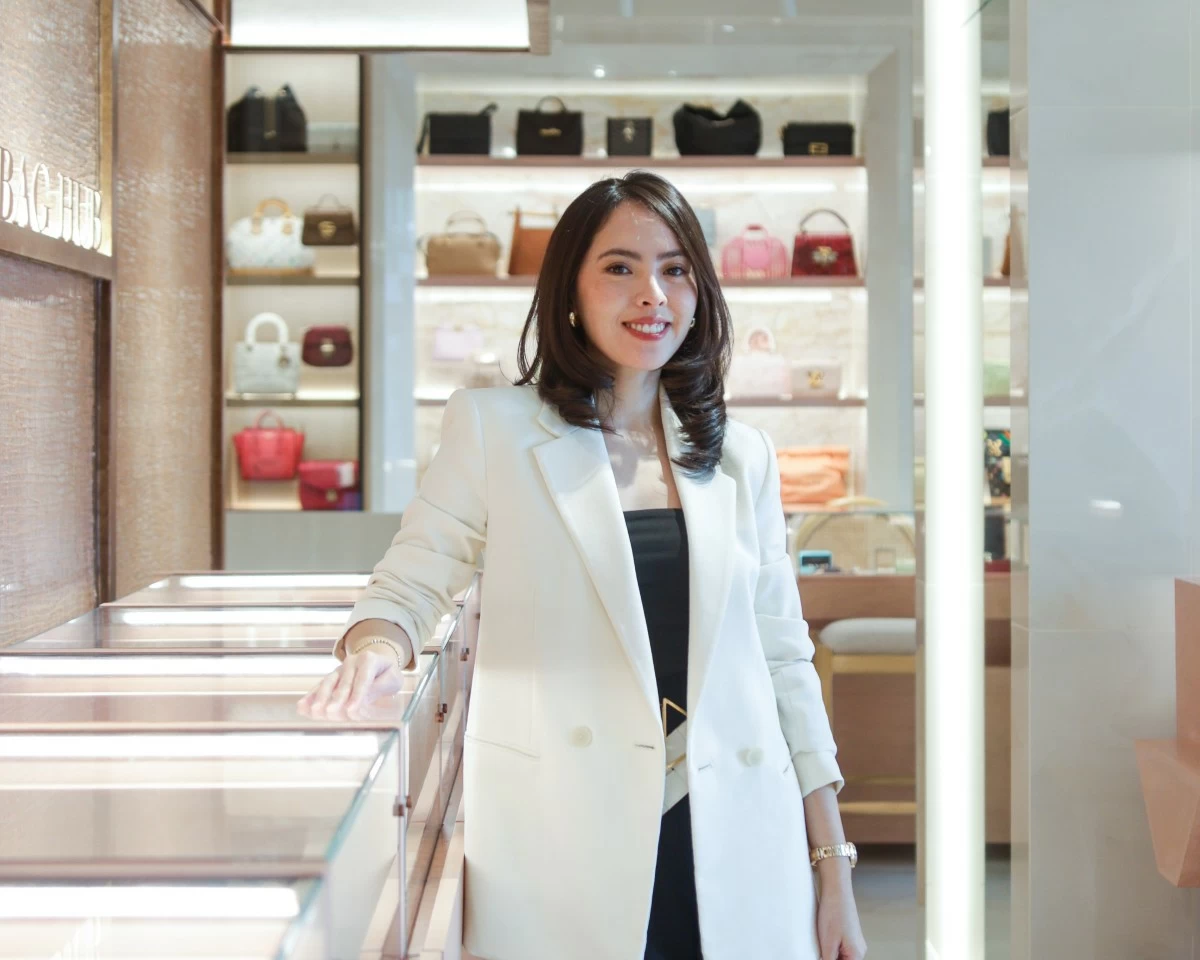
Maia Urrutia (Photo from The Bag Hub)
The story behind the brand is rooted in practicality and a lifelong appreciation for value. Before entering the world of luxury resale, Maia was simply a young professional trying to stretch her budget.
“I used to thrift clothes for the office when I was younger,” she recalls. “I would go to ukay-ukay and occasionally come across designer pieces. That’s when the idea first sparked—what if I could resell these? At that time, though, there was no easy way to authenticate them.”
Years later, after leaving her corporate career to focus on motherhood, the opportunity resurfaced. Inspired by her husband’s enthusiasm for online shopping, Maia began sourcing bags from eBay, reselling them to coworkers and friends.
The response was immediate.
Soon, acquaintances began asking her to sell their own luxury items, and what began as a small side hustle evolved into a full-fledged consignment business.
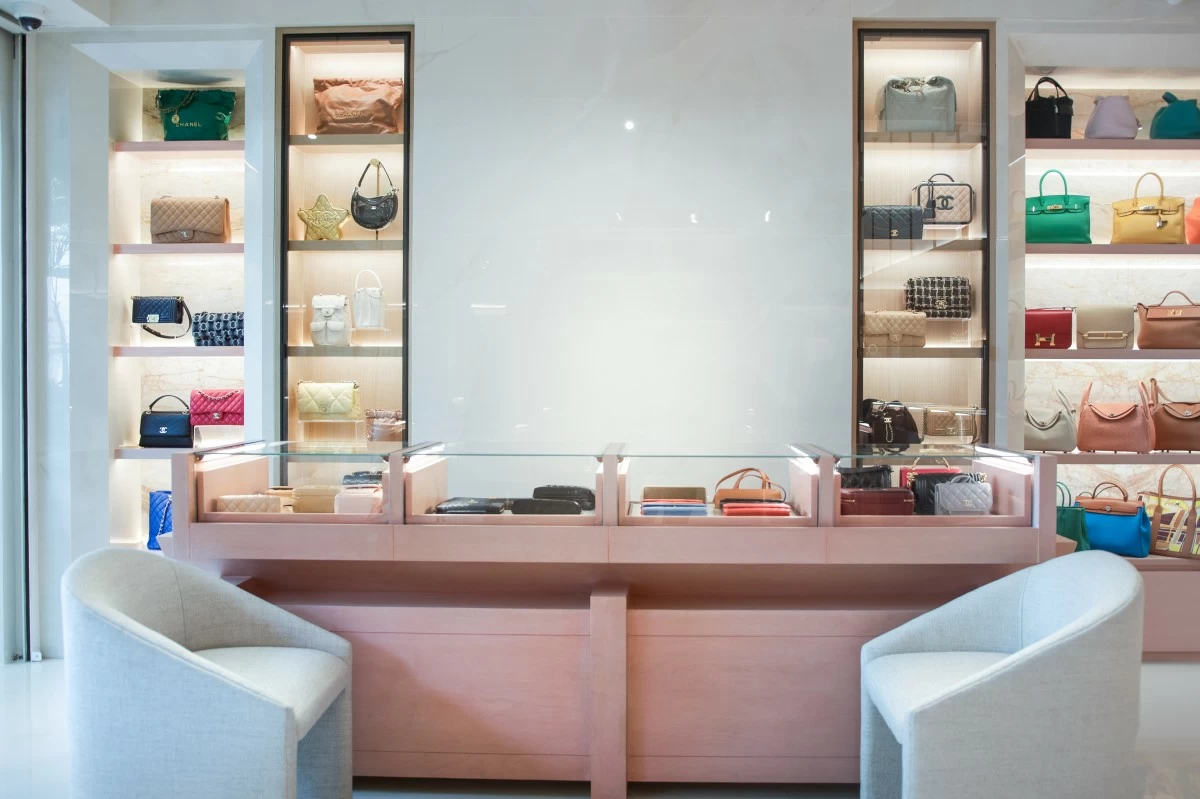
Inside The Bag Hub's new branch in Makati City (Photo from The Bag Hub)
Built on trust and credibility
Founded in 2009, The Bag Hub grew by focusing on something many resellers overlook: systems and relationships.
“Consignment is built on trust and credibility,” Maia explains. “Over the last 16 years, we’ve built strong relationships with our consignors—about 70 percent of them are repeat clients.”
The company developed its own in-house authentication protocols, with every item physically inspected and vetted by a trained team before reaching buyers. While third-party authenticators may sometimes be used as an additional safeguard, the brand prides itself on accountability and transparency.
Because all items are pre-owned, product details are disclosed thoroughly, from condition notes to visible flaws, ensuring buyers know exactly what they’re purchasing.
The Bag Hub also offers post-purchase support and a seven-day warranty, reinforcing the company’s emphasis on service in a market where trust is paramount.
(Photo from The Bag Hub)
Making luxury more attainable
For Maia, the resale economy isn’t just about access to designer goods; it’s about reshaping the way luxury is consumed.
She credits platforms like The RealReal for proving that resale could become a global movement.
“I see platforms like that as something built for women like me—aspirational but practical,” she says. “Women who dream of owning designer pieces but also want to be mindful about spending.”
Her vision for The Bag Hub was always similar: to make luxury more attainable without sacrificing authenticity or quality.” When I started The Bag Hub in 2009, The RealReal wasn’t even around, but it’s a goal for the brand: We want to keep expanding our offerings. Alongside the Salcedo store, we will also be launching our designer clothing consignments.”
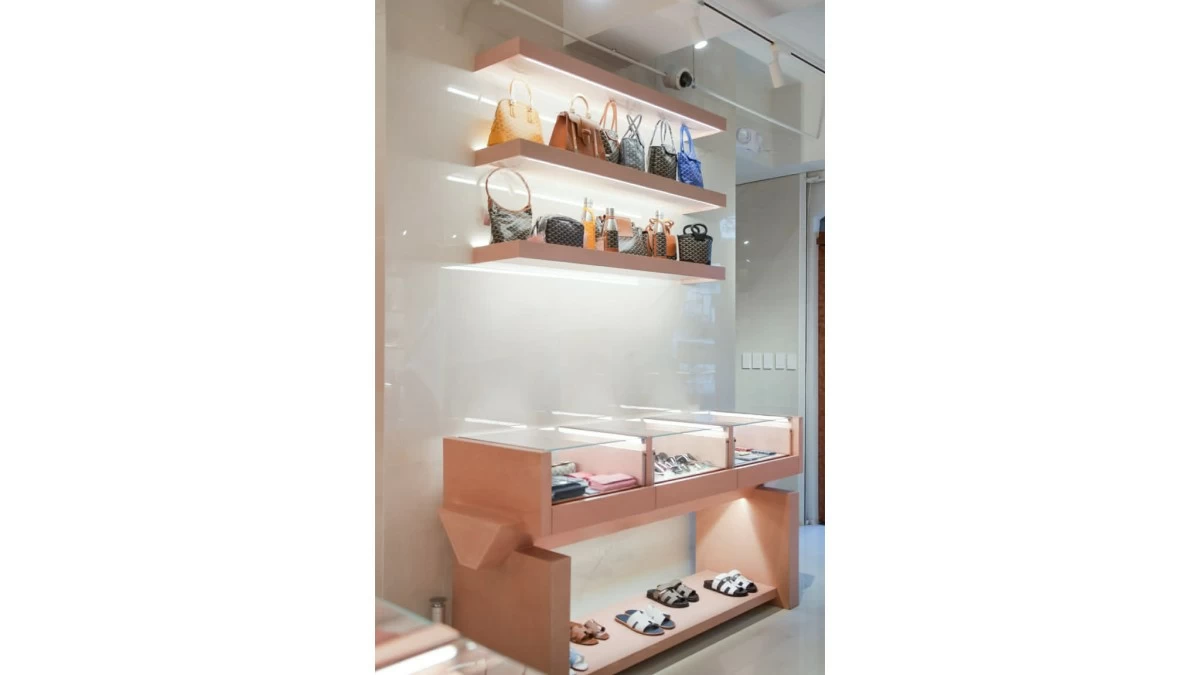
Currently, The Bag Hub carries fine jewelry, watches, shoes, and more.
(Photo from The Bag Hub)
Circular fashion in action
At its core, the business supports the principles of circular fashion.
“The heart of our platform is really about giving these pieces a second or even third life,” Maia explains. “It’s the most sustainable way to enjoy luxury.”
Rather than treating designer purchases as one-time indulgences, The Bag Hub encourages clients to think of their bags as assets that can move through multiple owners.
“Women can enjoy a piece for a while, then resell it when they’re ready for something new. Often, they recover much of what they paid. It’s stylish, financially savvy, and much kinder to the planet.”
A full-circle moment in Makati
Today, the brand continues to grow with its new second store in Salcedo Village, a district known for its discerning shoppers.
For Maia, the location carries personal significance.
“Makati is where I really cut my teeth. When I was starting out, I used to go door-to-door in offices and clinics to show my pieces. Opening a store here feels like a full-circle moment.”
The space was designed by architect JP Dela Cruz, whose concept captures the emotional experience of luxury discovery.
“The design direction anchors on the phrase ‘a candy store for a grown-up woman,’” JP explains. “Many clients are first-time buyers searching for their first luxury piece. We wanted the store to capture that childlike joy of finding something special.”
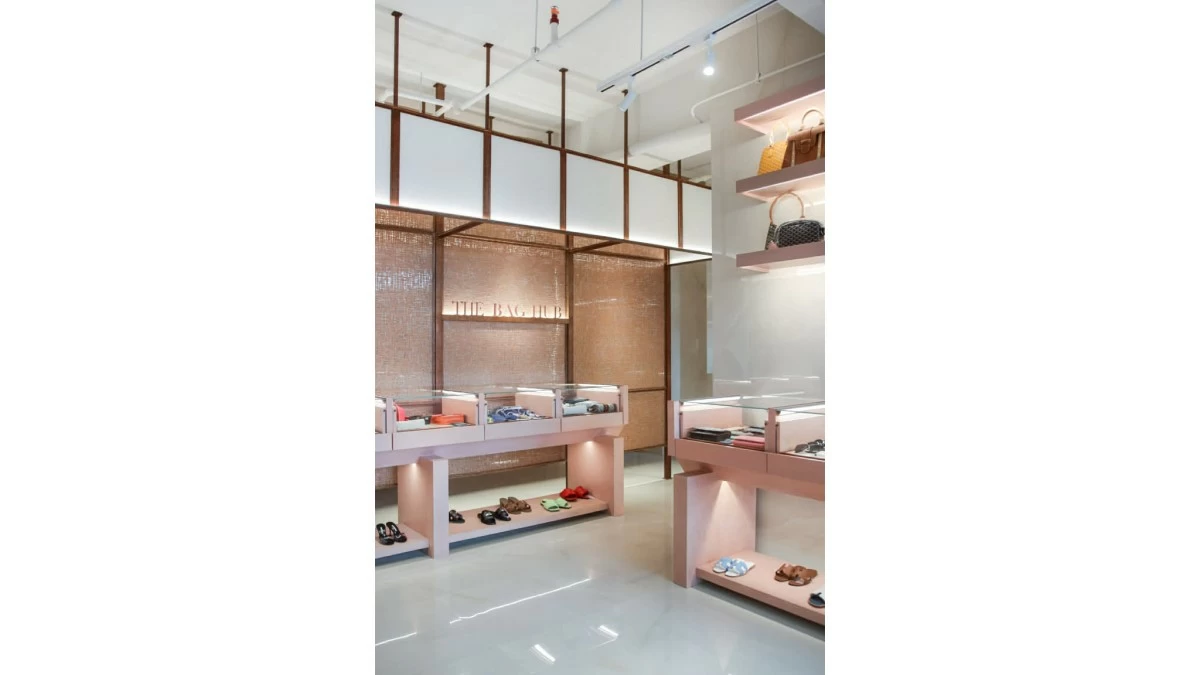
Soft cream tiles, pink marble accents, copper lattice details, and blush-toned wood displays create an atmosphere that balances playfulness with elegance.
“Our hope,” he adds, “is that every woman who walks through those doors feels that sense of discovery.”
A partnership that shaped the brand
Another key figure in the company’s story is Ling Urrutia King, who began as Urrutia’s very first consignor.
“When I started, Ling immediately consigned 20 pairs of designer shoes—and I sold every pair,” Maia recalls. “She would even buy vintage Chanel bags online just to consign them with me.”
Today, Ling is a partner in the business, bringing a complementary perspective.
“She’s adventurous and daring, while I’m more cautious and calculated,” Maia says. “She constantly pushes me to step outside my comfort zone.”
Together, the pair continues to expand the platform, with plans to introduce designer clothing consignments alongside its established handbag collection.