






Manila Bulletin
 Philippines
National
No 'toll fees' in Strait of Hormuz on PH-bound oil vessels — DFA
Philippines
National
No 'toll fees' in Strait of Hormuz on PH-bound oil vessels — DFA
Philippines
National
No 'toll fees' in Strait of Hormuz on PH-bound oil vessels — DFA
No 'toll fees' in Strait of Hormuz on PH-bound oil vessels — DFA
Published Apr 3, 2026 11:14 am
|
Updated Apr 3, 2026 02:51 pm


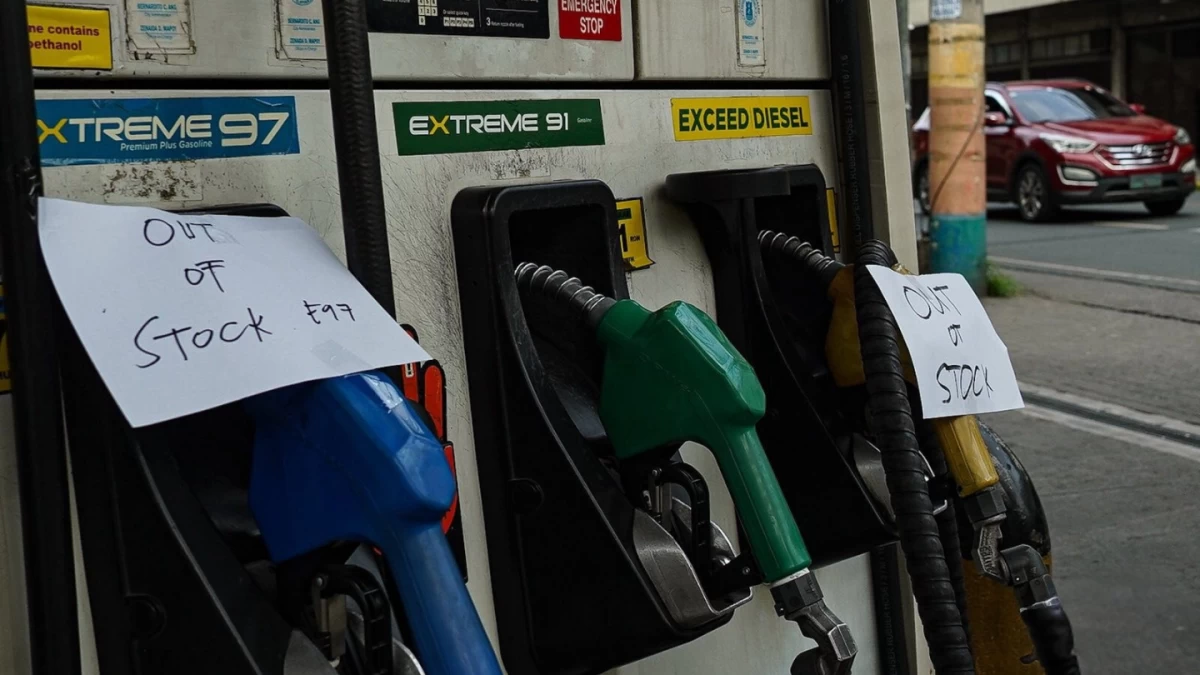
A fuel station in Paco, Manila stands dormant after exhausting its supply on Monday, March 9, 2026. Domestic energy concerns have intensified following the effective closure of the Strait of Hormuz, a move that has sent global crude prices toward $100 a barrel and triggered a “risk-off” contagion across Philippine financial markets. (Photo: John Louie Abrina I MB)
Iran is not imposing any "toll fees" on Philippine-flagged oil vessels passing through the Strait of Hormuz following Tehran's assurance of their unhampered passage.
"On question regarding the reported toll fee, there is no toll fee," the Department of Foreign Affairs (DFA) said after announcing on Thursday, April 2, that Iranian Foreign Minister Abbas Araghchi assured the Philippines of "unhindered and expeditious" passage of oil vessels as well as Filipino seafarers in the Strait.
DFA Secretary Ma. Theresa Lazaro had earlier sat down with Iranian Ambassador to Manila Yousef Esmaeilzadeh to relay the country's request for safe passage of oil tankers as the Philippines scrambles to meet its energy needs.
Bulk of the country's oil supplies come from the Middle East, which exports its product through the Strait partially closed by Iran in its leverage amid its conflict with the US and Israel.
President Marcos, who had already placed the country under national energy emergency, directed Lazaro to do so, considering that the Philippines has available oil supply only until the end of June.
Following a phone call with Araghchi, Lazaro said such a "positive development is vital for the Philippines, as it will not only ensure the safety of Filipino seafarers operating in the area but will also help ensure energy security for the country."
Meanwhile, Araghhi "appreciated Philippines' sympathy," according to Iranian government's X account.
Iran's top diplomat also noted that "despite the imposed insecurity, Iran responsibly facilitates the safe passage of non-hostile vessels through the Strait."
"Stability remains a priority," Tehran said.
"Given that the Philippines imports the majority of its energy requirements from the Middle East, these assurances from Iran will greatly facilitate the steady delivery of critical oil and fertilizer supplies to the Philippines," the DFA said in a statement.