






Manila Bulletin
 Environment and Sustainability
Tapping into water to break the Philippines' coal dependency
Environment and Sustainability
Tapping into water to break the Philippines' coal dependency
Environment and Sustainability
Tapping into water to break the Philippines' coal dependency
Tapping into water to break the Philippines' coal dependency
Published Apr 2, 2026 06:11 am


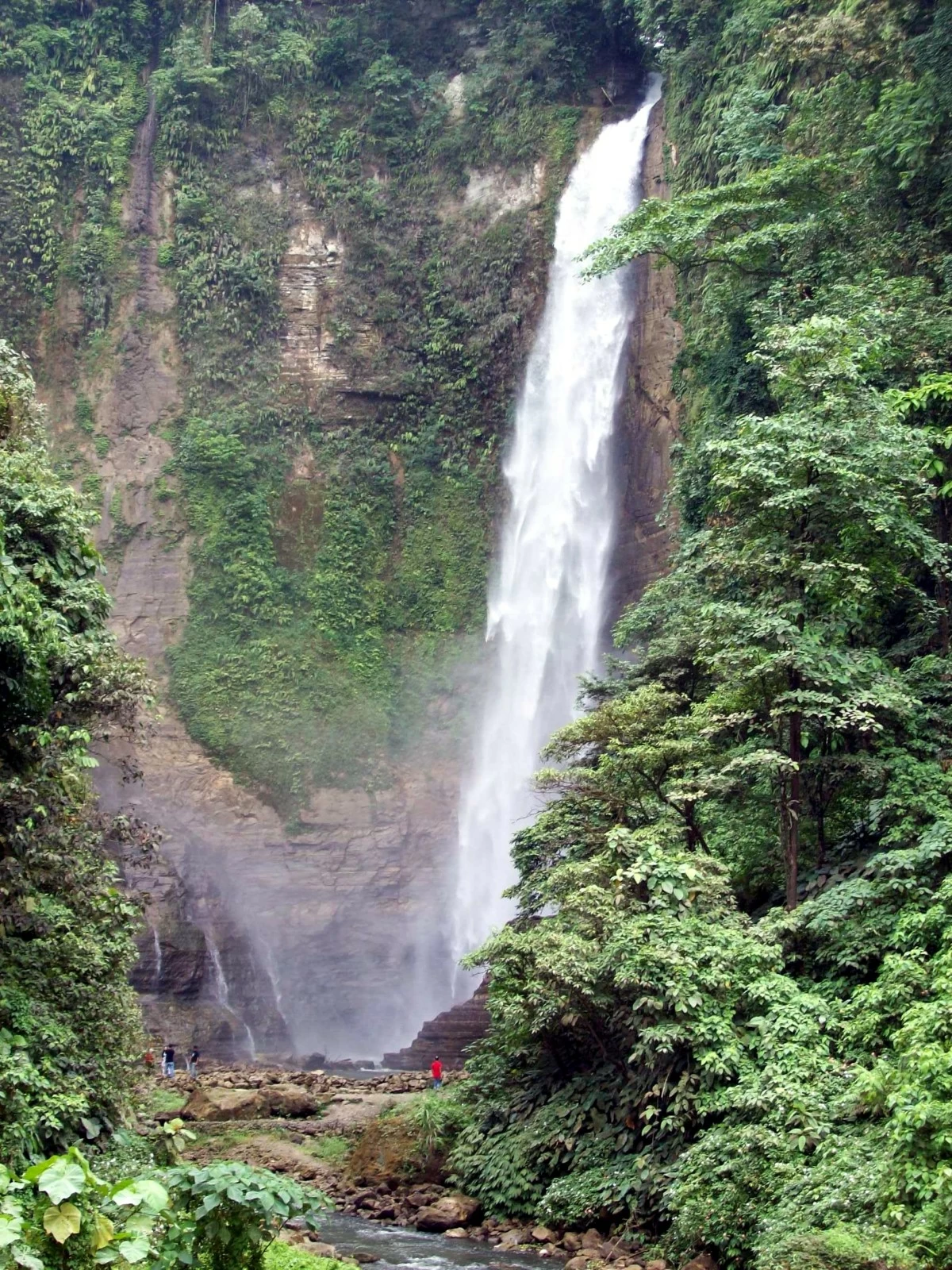
A waterfall serves as a natural source of hydropower.
Without water, life itself would cease to exist. Alongside air, it is the most essential element for survival. Water constitutes more than 60 percent of the human body weight, while proteins account for only 18 percent, fats 15 percent, minerals 4 percent, carbohydrates 2 percent, and vitamins less than 1 percent.
However, only a small number of individuals are aware that water can also serve as a source of electricity—another crucial element in modern life. “We all need electricity,” said Von Hernandez, a leading environmental activist. “It is vital – it powers our lives, runs our hospitals and schools – we need it for every aspect of our lives.”
By 2030, global energy consumption is expected to increase by 55 percent, driven by population growth, urbanization, and economic development. Much of this increase will take place in developing regions, including the Philippines, with a significant share likely to come from fossil fuels.
Globally, there is growing awareness that climate change, largely driven by the combustion of fossil fuels, poses a serious threat to the international community.
This is where renewable energy comes into the picture. Renewable energy technologies are now ready for large-scale use and have the potential to meet global energy demand many times over, said Janet Sawin, a senior fellow at an institute specializing in international energy and environmental policy.
“Renewable energy offers tremendous potential and, combined with improvements in energy efficiency, could fuel the economy of the future,” Sawin said.
More than four decades ago, then Energy Undersecretary Rufino Bomasang told participants at a media briefing on business and economics reporting convened by the Press Foundation of Asia in Los Baños, Laguna: “Our shortage of electricity is a real, serious problem that we cannot downplay. But if we focus exclusively on it, we run the risk of seeing just the trees and not the forest.”
The situation remains relevant today. Energy generation should not rely heavily on fossil fuels, particularly coal, which are major contributors to carbon dioxide emissions.
One renewable energy source that remains underutilized is water, which covers more than 70 percent of the Earth’s surface. About 14.3 percent of the world’s electricity is generated by hydropower, according to the International Energy Agency.
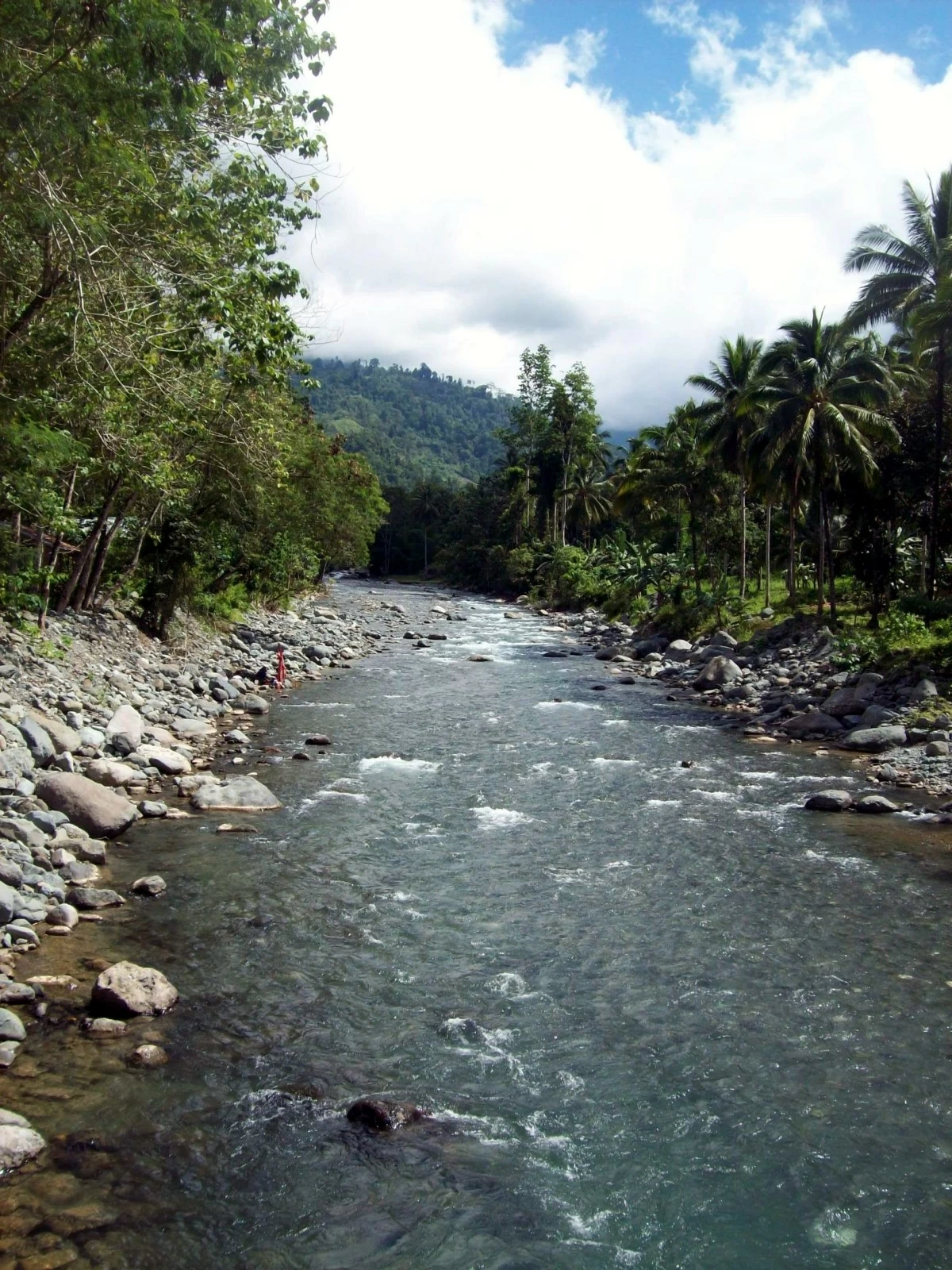
Rivers in the country offer potential sources of hydroelectric power.
Hydropower is generated through waterfalls, rivers and streams, and man-made dams that allow controlled water flow to spin turbines and produce electricity. Electric power is measured in watts, with generating capacity expressed in kilowatts (1,000 watts) and megawatts (one million watts).
Large dams such as Hoover (1,455 megawatts) and Grand Coulee (6,180 megawatts) produce substantial amounts of power. “Growing interest in hydroelectric power is largely an outgrowth of governments’ desire to be more self-sufficient in energy and to provide low-cost electricity,” wrote Cynthia Pollock Shea in Renewable Energy: Today’s Contribution, Tomorrow’s Promises.
A World Bank report in the 1980’s identified the Philippines as one of the countries with the largest additions to hydroelectric capacity among developing nations. Operating capacity increased from 940 MW in 1980 to 2,195 MW in 1985. By 1998, the total hydropower capacity reached 2,304 MW, representing nearly 20 percent of the country’s total installed capacity.
However, by 2021, hydropower contributed only 4.5 percent of the country’s energy consumption. While higher than solar energy at 0.7 percent and wind at 0.6 percent, it remained significantly lower than oil at 41.8 percent and coal at 40.2 percent.
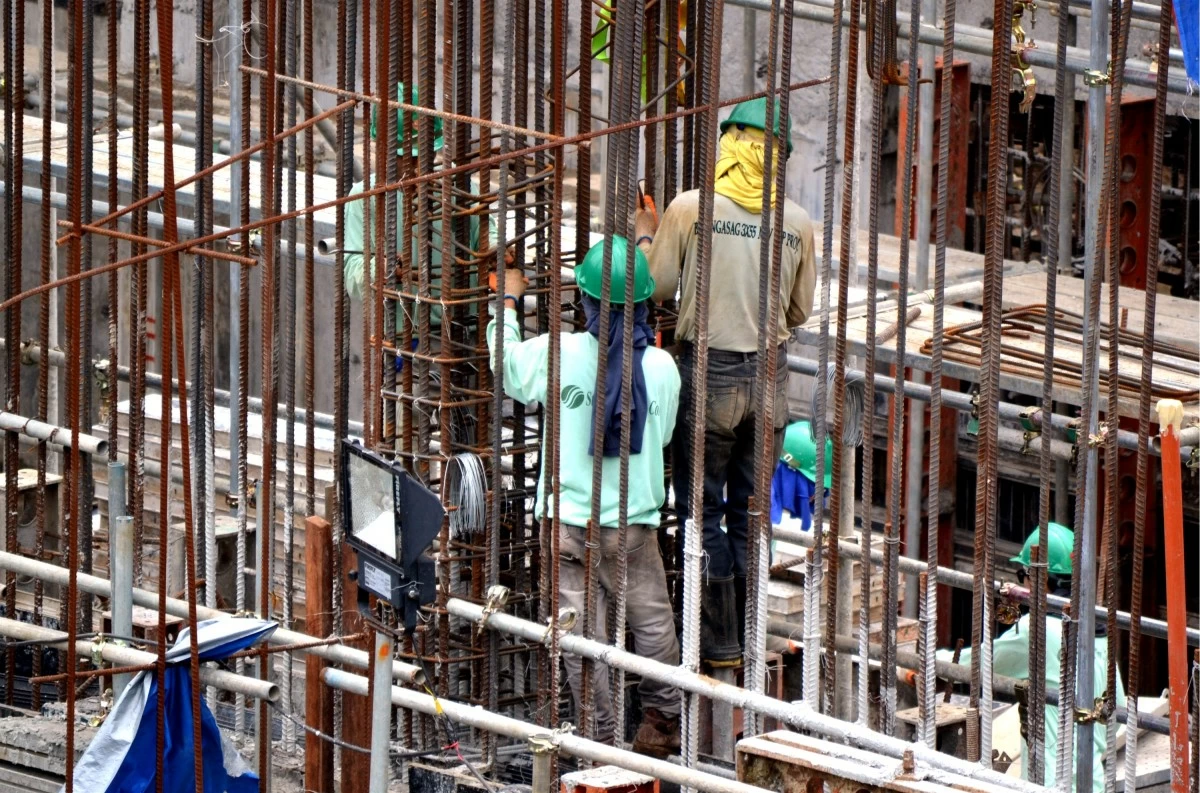
Construction of a hydropower facility is underway in Manolo Fortich, Bukidnon.
As of mid-2025, hydropower remains a primary renewable energy source in Mindanao, with an approximate capacity of 1,059 MW, accounting for about 32 percent of the power generation mix. In Luzon, it serves as a dependable peaking power source, while in the Visayas, it plays a supplementary role.
Most hydropower facilities in the country are dam-based, storing water at elevated levels and releasing it to drive turbines that generate electricity.
However, hydropower is not without environmental consequences. “Impounding a river radically changes the surrounding ecosystem,” Shea wrote. “Nutrient-bearing sediments, instead of being deposited on agricultural floodplains and providing food for downstream fish, accumulate behind turbines and dams.” Hydroelectric dams may also change water temperature and oxygen levels, affecting aquatic and riparian species.
Some scientists also argue that hydropower from large dams can emit carbon dioxide and methane, both of which are greenhouse gases linked to climate change. The Worldwatch Institute noted that carbon stored in vegetation is released when reservoirs are flooded, while decomposing plant matter produces methane that escapes into the atmosphere.
For hydropower projects to remain viable over decades, proper management is essential, not only of equipment, but of entire watersheds. “Hydroelectric power will not be truly renewable until the functions of flood control, irrigation, transportation, power production, tree planting, fisheries management, and sanitation are coordinated within the overall goal of maintaining healthy and productive rivers,” Shea said.
In the final analysis, hydropower presents both promise and challenge. As noted by H. Steven Dashefsky, in Environmental Literacy: Everything You Need to Know About Saving Our Planet, small-scale projects cause minimal environmental harm, while large-scale developments can be more disruptive.