







Nazal's bill a boon for airplane passengers
Published Apr 2, 2026 01:53 pm


At A Glance
- Bagong Henerasyon (BH) Party-list Rep. Robert Nazal has filed a measure that would establish clear, enforceable rights for passengers—from booking to boarding, and from delays to claims for compensation.
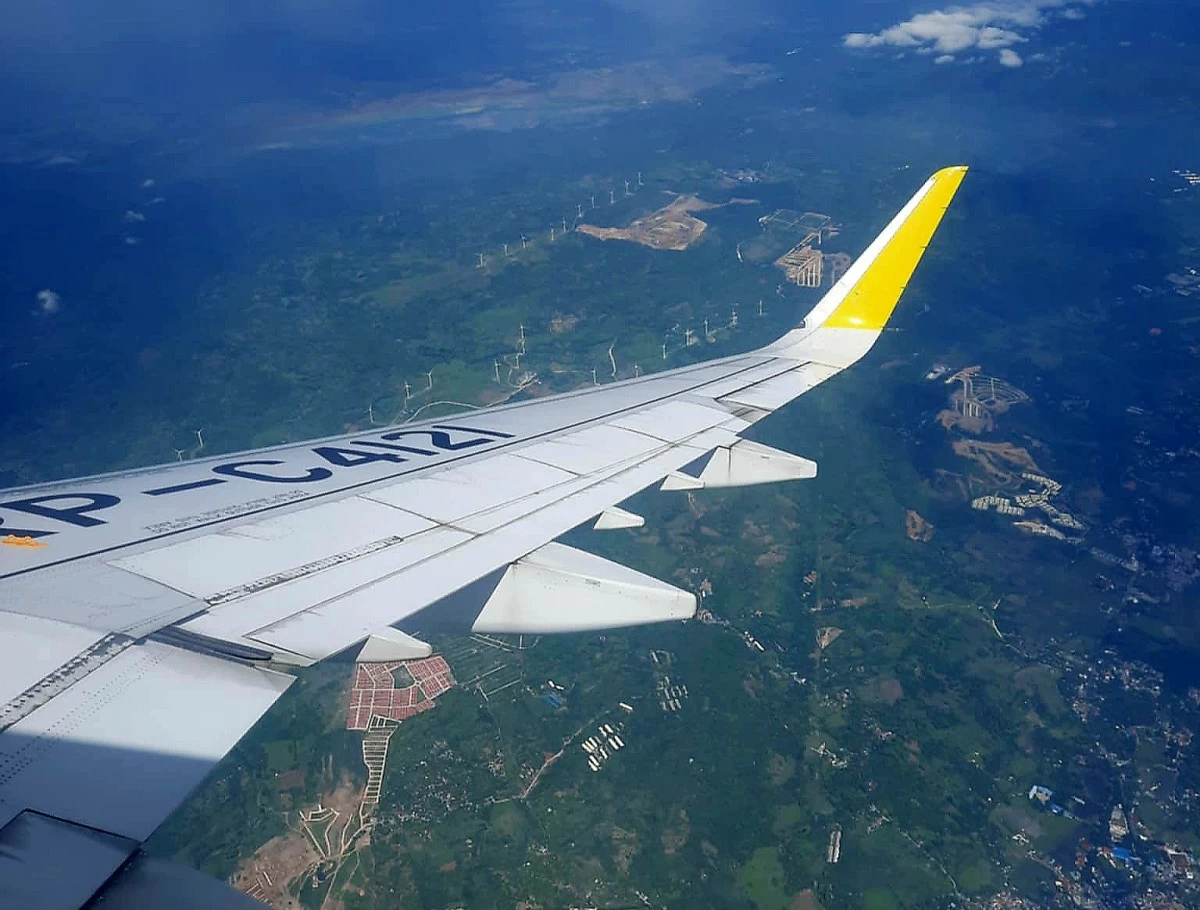
(Ellson Quismorio/ MANILA BULLETIN)
Bagong Henerasyon (BH) Party-list Rep. Robert Nazal has filed a measure that would establish clear, enforceable rights for passengers—from booking to boarding, and from delays to claims for compensation.
For this purpose, Nazal filed House Bill (HB) No. 245, or the proposed “Air Passengers Bill of Rights".
It seeks to institutionalize existing Civil Aeronautics Board (CAB) policies and strengthen protections for Filipino air travelers amid the rapid growth of the aviation sector.
“This bill says a plane ticket is not just a receipt. It is a contract, and the Filipino passenger must receive the service, dignity, and remedies that the law guarantees,” Nazal, an assistant minority leader in the House of Representatives, said.
The party-list lawmaker cited the sharp rebound in air travel following the Covid-19 pandemic. He noted that passenger volume reached 27.3 million in 2023, and underscored the urgency of ensuring that passenger protections keep pace with industry growth.
“As air travel in the Philippines continues to recover and expand, passenger rights must keep pace with growth,” he said.
Nazal explained that while existing policies—such as the Air Passenger Bill of Rights under CAB regulations—already outline passenger entitlements, these remain scattered and unevenly enforced. The proposed measure consolidates and strengthens these protections into a single statutory framework.
“The measure transforms passenger protection from scattered rules into a single statutory charter of rights covering booking, delays, cancellations, denied boarding, baggage and redress,” he said.
Under the bill, passengers are guaranteed the right to full and transparent information on fares and conditions, the right to receive the full value of services paid for, and the right to timely assistance, compensation or rebooking in cases of delays, cancellations or denied boarding.
It also mandates clear procedures for handling complaints and claims, imposes minimum service standards, and prescribes penalties for violations.
Nazal stressed that the measure prioritizes immediate and accessible remedies for affected passengers, including meals, accommodations, refunds, and compensation when warranted.
“Hindi dapat napapabayaan ang pasahero kapag na-delay, na-cancel, o na-offload ang flight. Ang karapatan ng biyahero ay dapat malinaw, may agarang remedyo, at may pananagutan ang airline kapag lumabag,” he said.
(Passengers must never be neglected when a flight is delayed, canceled, or offloaded. Travelers’ rights must be clear, with immediate remedies, and airlines must be held accountable when they violate them.)
The bill also reinforces protections for vulnerable sectors such as senior citizens, persons with disabilities, students, pregnant women, and unaccompanied minors, while requiring airlines to uphold standards of courtesy, safety and transparency.
At the same time, it strengthens accountability mechanisms by empowering regulators, standardizing complaint handling, and providing penalties for violations, including possible suspension or revocation of airline franchises for repeated offenses.
“This is a consumer-protection measure, a service-quality measure, and an accountability measure rolled into one,” Nazal said.
By enacting the proposed law, Nazal said Congress would fulfill the State’s constitutional duty to protect consumers, institutionalize fair and efficient air transport standards, and align the country’s aviation policies with international best practices.
“The time has come to put these rights into law—so every Filipino passenger knows what they are entitled to, and every airline is held to the same clear standard,” he stressed.