






Manila Bulletin
 Philippines
National
Bong Go urges gov't to implement more responsive fuel relief mechanisms
Philippines
National
Bong Go urges gov't to implement more responsive fuel relief mechanisms
Philippines
National
Bong Go urges gov't to implement more responsive fuel relief mechanisms
Bong Go urges gov't to implement more responsive fuel relief mechanisms
Published Apr 2, 2026 01:31 pm


At A Glance
- Sen. Christopher "Bong" Go made the appeal even after the President's signing of the law temporarily suspending excise tax, raising concerns over reports that some farmers and fisherfolk have been left out of existing fuel subsidy programs.
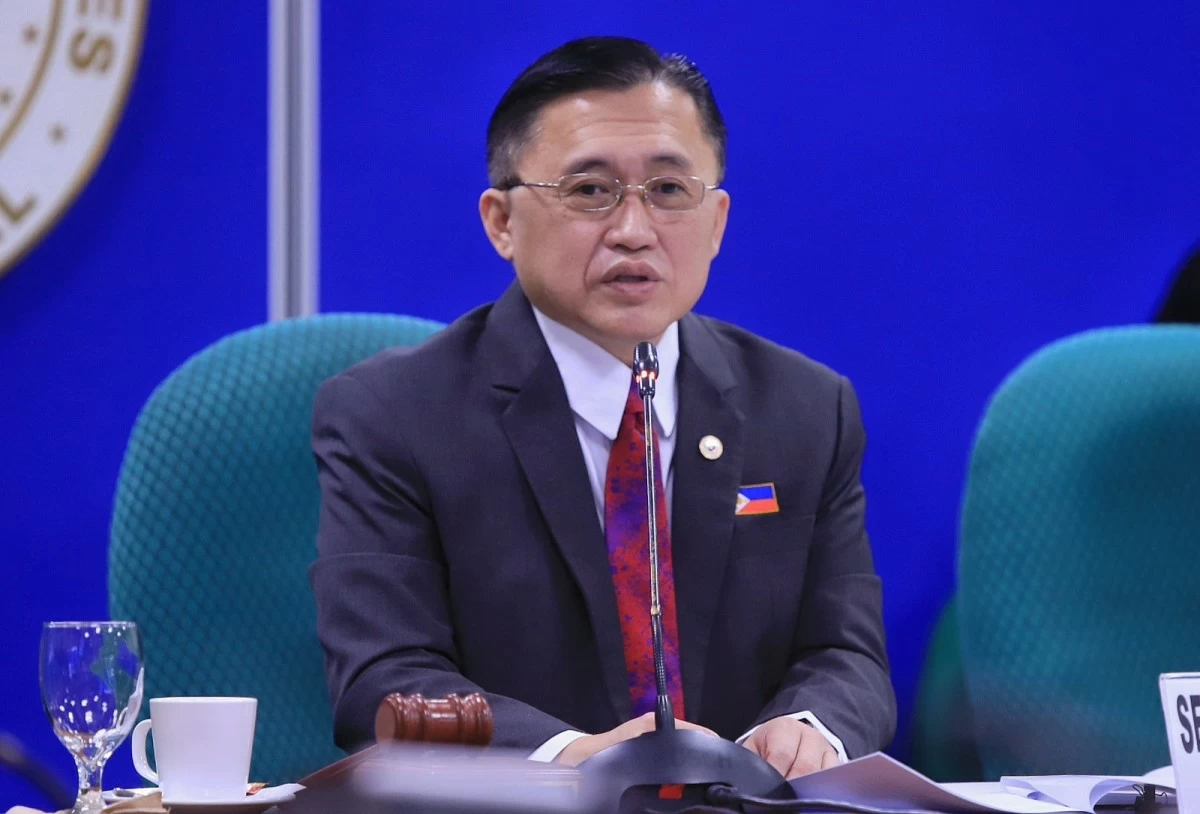
Go, made the appeal even after the President’s signing of the law temporarily suspending excise tax, raising concerns over reports that some farmers and fisherfolk have been left out of existing fuel subsidy programs.
“There are farmers and fishermen who say they are not included in the list of those receiving aid. Usually, only the transport sector is given,” Go pointed out.
“We need to ensure that no one is left behind, especially the sectors that are directly affected by the increase in oil prices,” he stressed.
Go further reminded that under Republic Act No. 12316, the President may suspend or reduce excise taxes on petroleum products upon the recommendation of the Development Budget Coordination Committee (DBCC), in coordination with the Department of Energy (DOE), when the average Dubai crude oil price reaches or exceeds $80 per barrel for one month, based on the Mean of Platts Singapore (MOPS), immediately preceding the issuance of the order, as indicated in the enrolled bill.
It also allows either full suspension or partial reduction of excise taxes, depending on prevailing economic conditions, and may be applied to specific petroleum products.
Nevertheless, Go reminded that the law has safeguards to ensure that such measures remain temporary and controlled.
“This is not just a tax cut. There is a clear basis for when it will be implemented and for how long,” he said.
“Its goal is to provide relief at the right time without affecting the overall balance of the economy,” the senator explained.
Moreover, Go emphasized the need for transparency in implementing the law, noting that under the law, the President must submit a report to Congress through the DBCC.
The report must include the factual basis for the decision, estimated revenue impact, and effects on fuel prices and inflation.
“It is important that there is clear reporting and data on every step. The public should be able to see how this law is being used and how it is helping the economy and the ordinary citizen,” he stressed.