







Visita Iglesia from a tour guide's perspective
PJ Hernandez on Traveling Salakot and visiting Manila's iconic churches
By Poch Eulalia
Published Apr 1, 2026 01:25 pm


At A Glance
- Travel is not just about seeing places, it's about understanding stories and acting on them.
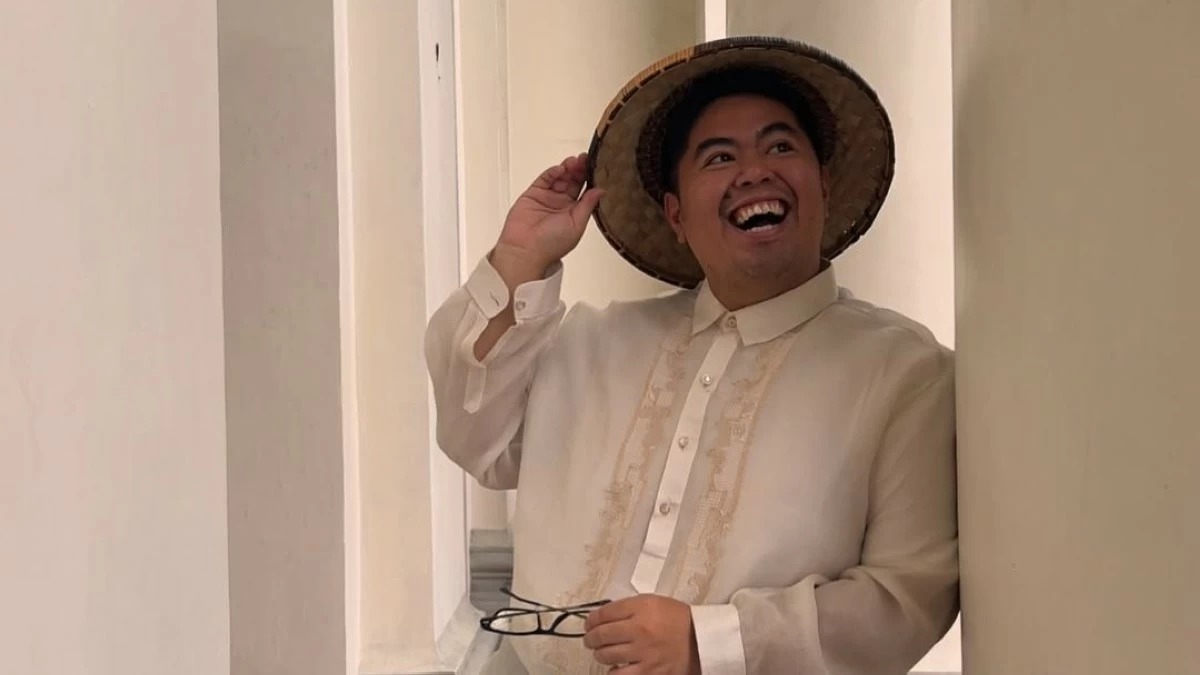
MEET YOUR GUIDE PJ 'Traveling Salakot' Hernandez (Photo from pjh_travelingsalakot | Instagram)
Visita Iglesia is a common practice for Filipinos during Holy Week. It entails visiting either seven or 14 churches to pray at the Stations of the Cross. Often it takes place on the night of Maundy Thursday, right after the Mass of the Lord’s Supper. Some take this as an opportunity to travel widely and visit churches in far-off provinces or even abroad. With rising gas prices, however, some may prefer to keep it close this season. This year, The Manila Hotel is offering a convenient way to visit seven different churches across the Metro through a Visita Iglesia tour. We spoke with tour guide PJ “Traveling Salakot” Hernandez about what exactly to expect from his guided experience.
How did the Traveling Salakot identity come to be?
Nagsimula lang po talaga siya sa isang simpleng, medyo “crazy” na idea back when I was a student (It all started from a simple, slightly "crazy" idea I had when I was a student). I wanted a way to make people notice and start conversations about our culture. So naisip ko (So I thought), what if I wear something very Filipino, very symbolic? That’s when the salakot came in.
Eventually, it became more than just a prop. It became my identity. Wherever I go, dala ko siya (I bring it), not just physically, but as a reminder na may responsibility akong ikuwento ang kultura at kasaysayan natin (as a reminder that I have a responsibility to share the story of our culture and history). Sabi nga (As they say), “the medium is the message.”
Habang tumatagal, na-realize ko po na hindi lang pala ito tungkol sa awareness (As time went on, I realized it's not only about awareness). It’s about building historical consciousness, 'yung hindi lang natin alam ang history, kundi naiintindihan natin kung paano siya connected sa present at sa role natin bilang citizens (where it's not just about knowing history, but understanding how it connects to the present and our role as citizens). Doon nabuo si The Traveling Salakot, Pilipino na patuloy na naglalakbay, dala ang mga aral ng kasaysayan sa makabagong panahon (That's how Traveling Salakot came to be, a Filipino who continues to journey onward, bringing the lessons of history to the modern age).
What is your favorite part of touring people around?
Pinaka-favorite ko talaga is that moment na may “aha” yung participants. ‘Yung tipong bigla silang mapapasabi ng “Ah, ganun pala ’yun!” or “Hindi ko alam na may ganitong kuwento dito.” Kasi for me, hindi lang siya tour, eh (My absolute favorite is the “aha” moment participants have. The kind where they go, “Ah, that’s how it is!” or “I didn’t know there were stories like this.” For me, it’s not just a tour.)
It’s really about awakening something deeper. When people start connecting the dots, history, identity, and current realities, doon po pumapasok yung historical consciousness (that’s when historical consciousness comes in). Sabi nga, ang kasaysayan ay “mga salaysay na may saysay. (As they say, history is stories with significance).” And from there, nagiging mas engaged sila (they become more engaged). Hindi na lang sila observers (They are no longer just observers), they start to remember the collective memories of the Filipinos, ito yung nagbibigay sa atin ng identidad or pagkakalinalan (this is what gives us our identity). ‘Yun yung pinaka-fulfilling part, kasi alam mong may possibility na dala nila yung learning beyond the tour (That’s the most fulfilling part, because you know there’s a possibility they bring what they learned beyond the tour).
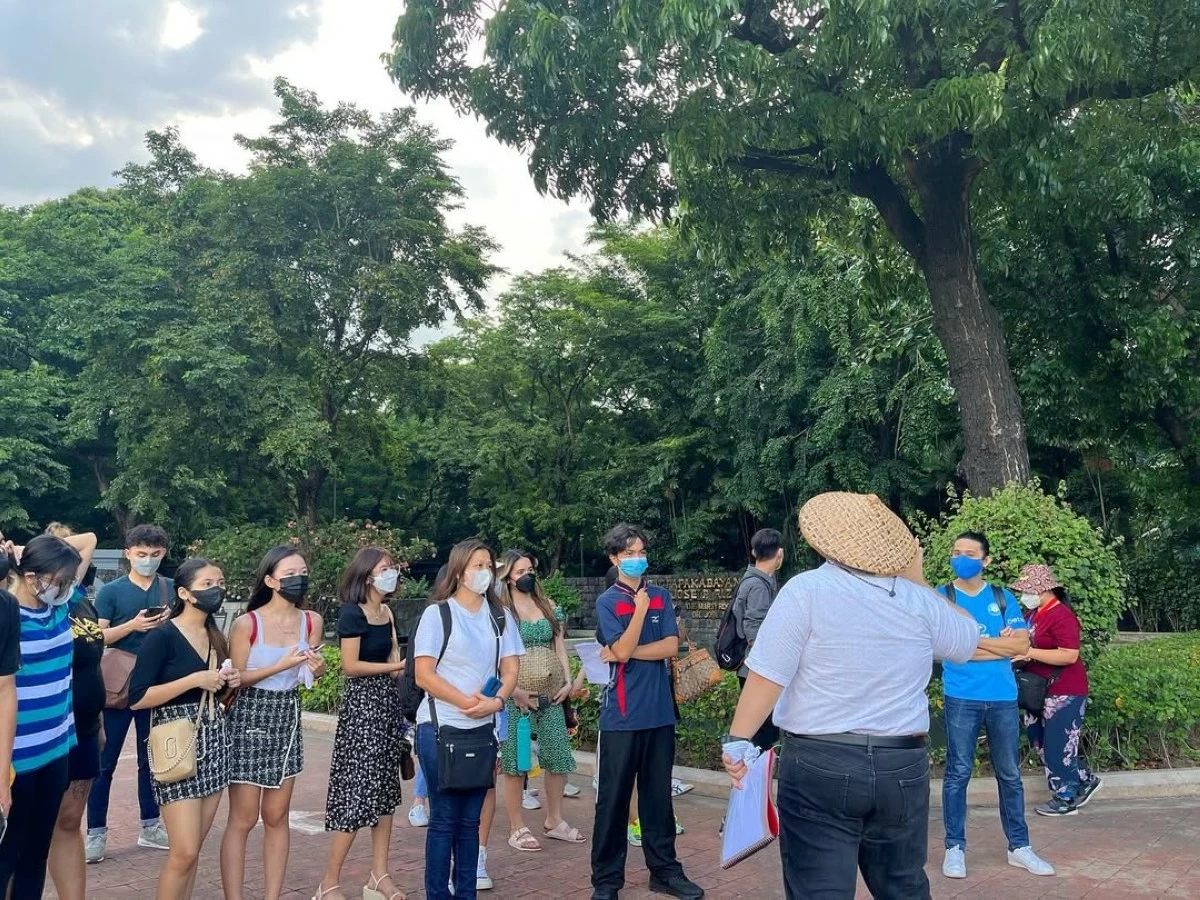
A LOOK BACK Traveling Salakot's tour of Luneta during Dr. Jose Rizal's 161st birthday in 2022 (Photo from pjh_travelingsalakot | Instagram)
Do you have any memorable tours that left a memorable impact on you?
Marami, pero one that really stayed with me was during our tours in Luneta. May mga participants na lumapit after, and sinabi nila na ibang-iba raw yung experience compared sa usual na pagpunta lang doon (There are many, but one that really stayed with me was during our tours in Luneta. There were participants who came closer after and shared that their experiences visiting was different from before).
Hindi na lang siya naging park o historical site. Mas naintindihan nila yung sakripisyo ng ating mga bayani, especially kung paano nila ipinaglaban yung kalayaan at dignidad ng bansa (It’s no longer just a park or historical site. They understand the sacrifices of our heroes, especially with how they fought for the freedom and dignity of our country).
May isang moment na tumatak sa akin, may participant na nagsabi, “Kung sila nagawa nilang ipaglaban ang bayan noon, anong ginagawa natin ngayon?” Simple lang, pero ang bigat (There’s one moment that stuck with me, when a participant said, “If they were able to fight for our nation before, what are we doing now?" It’s a simple but heavy moment).
Doon ko nakita na yung tours can really go beyond sharing facts. Nagiging way siya to build historical consciousness, yung pag-intindi sa nakaraan, at pag-connect nito sa present (That’s when I saw that tours can really go beyond sharing facts. It became a way to build historical consciousness, not just to understand the past, but to connect it to the present).
And more importantly, nagiging source siya ng inspiration for action. ‘Yung lessons ng ating mga bayani nagiging gabay sa patuloy nating laban for good governance at para sa mas maayos na Pilipinas (And more importantly, it becomes a source of inspiration for action. The lessons of our heroes guide us in our continued battle for good governance and a better Philippines).
For me, yun yung pinaka-memorable, kapag yung tour nagiging simula ng mas malalim na pag-iisip, at hopefully, ng pagiging mas aktibong mamamayan (For me, that’s the most memorable moment, when a tour starts to form deeper thoughts, and hopefully, form more active citizens).
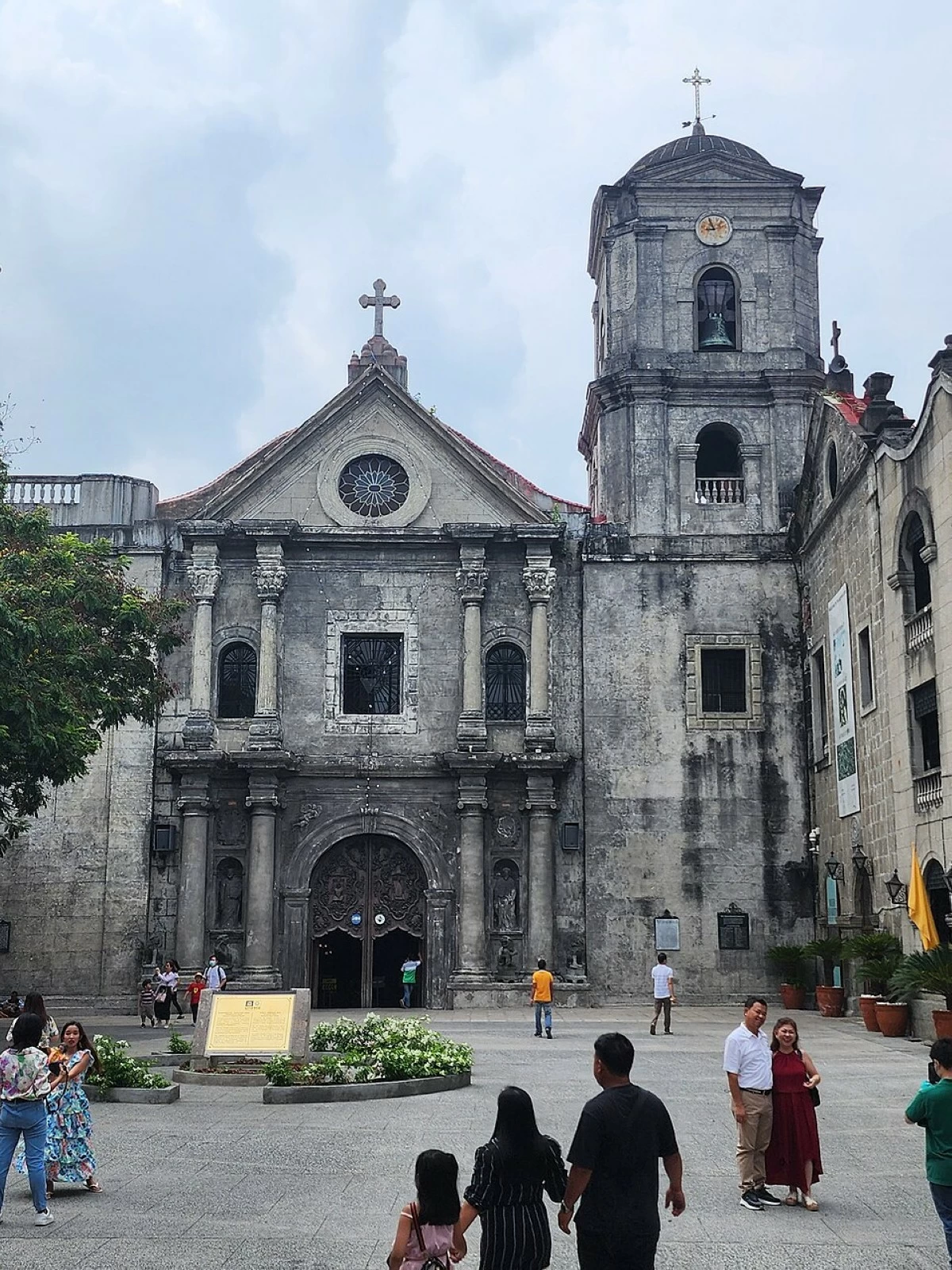
San Agustin Church (Photo from Wikipedia)
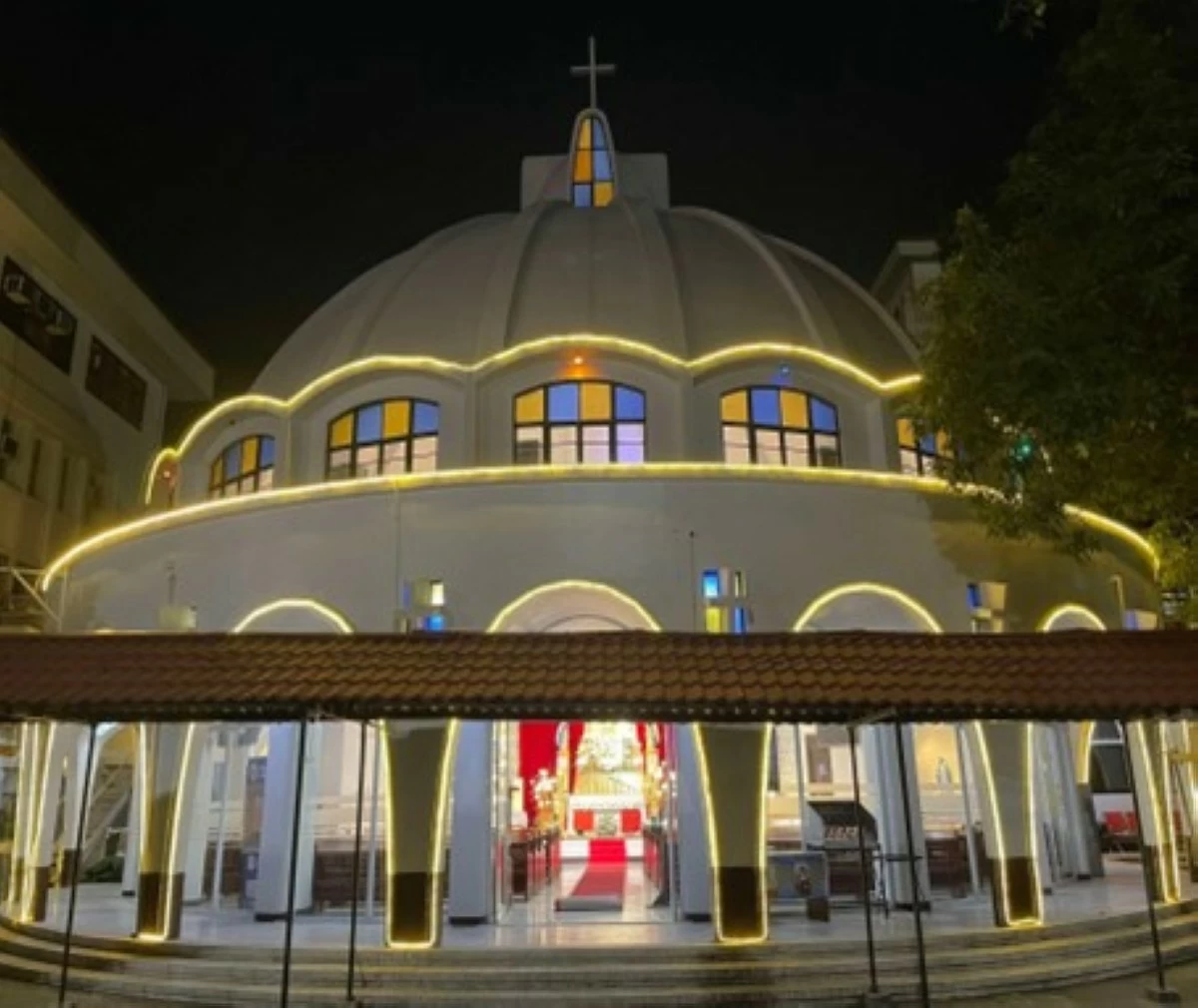
Sta. Rita Chapel (Photo from Mapua University)
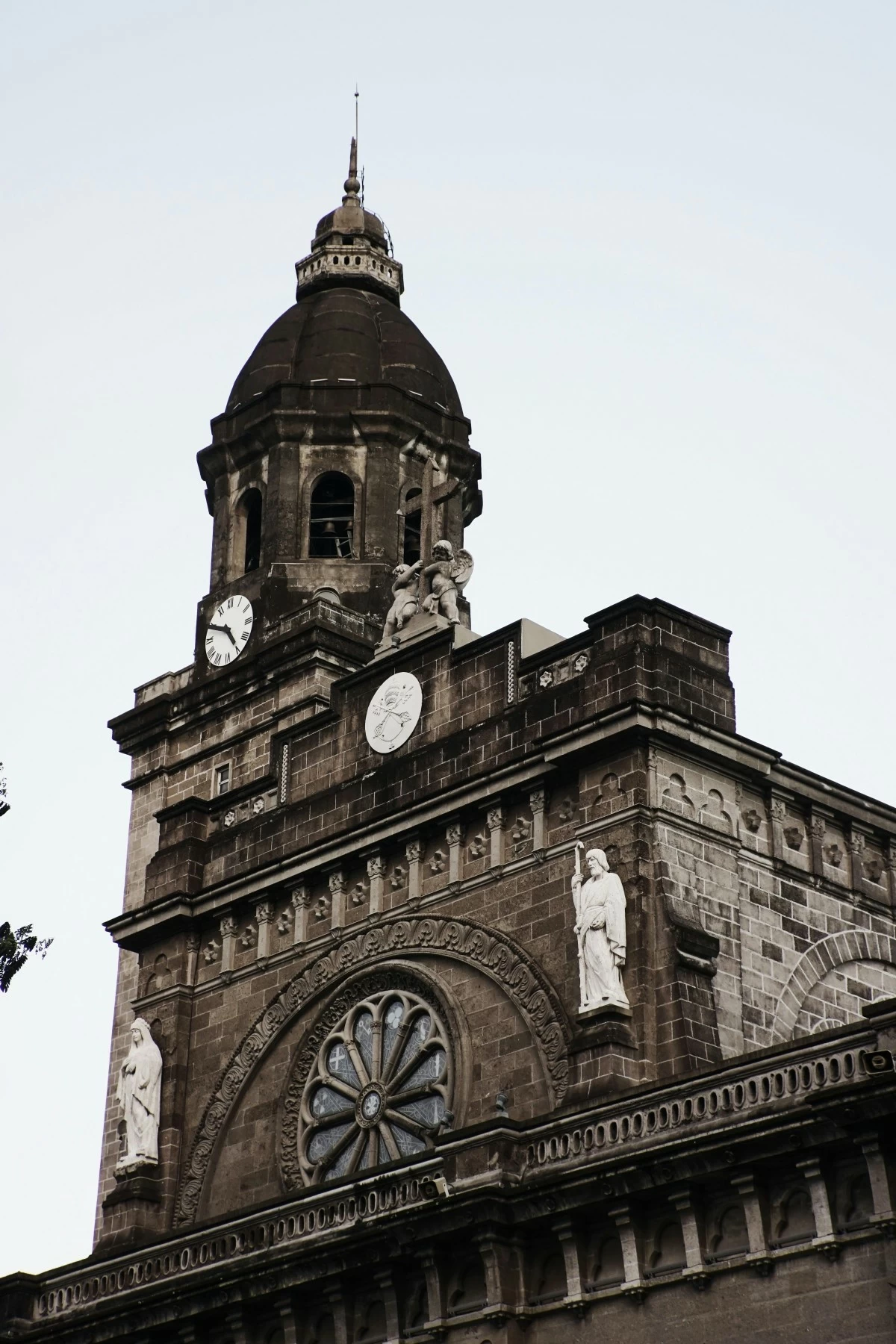
Manila Cathedral (Photo from Pexels)
In forming this Visita Iglesia tour, what were the key factors in deciding which churches would be included in the trip?
Sa totoo lang, hindi lang siya about “magandang simbahan” or “sikat na lugar.” Maraming factors (In truth, it’s not just about “beautiful churches” or “famous places.” There are many factors).
Una, historical significance, ano yung kwento ng simbahan? Paano siya connected sa local and national history? Pangalawa, geographical flow, kailangan practical at may magandang pacing yung tour. Pangatlo, diversity of narratives, iba-iba dapat yung perspectives na makukuha mo bawat stop (First, historical significance, what’s the church’s story? How is it connected to local and national history? Second, geographical flow, it needs to be practical, and the tour has to have good pacing. Third, diversity of narratives, there should be different perspectives you can gather from each stop).
Pero dinagdag din namin yung cultural and spiritual importance ng Visita Iglesia itself. Kasi, this is a very unique Filipino Lenten tradition. Historically, it can be rooted sa pagbisita sa pitong simbahan sa Intramuros noong panahon ng Espanyol (We also add the cultural and spiritual importance of Visita Iglesia itself. Because this is a very unique Filipino Lenten tradition. Historically, it can be rooted in the visiting of seven churches in Intramuros during the Spanish era). So in designing the tour, we try to echo that tradition, not just in number, but in meaning.
Hindi lang siya basta pagpunta sa simbahan (It’s not just visiting a church). It’s a form of pilgrimage. May lalim siya spiritually, but at the same time, may lalim din culturally and historically (There’s depth in spirituality, but at the same time, there’s also depth culturally and historically).
At pinaka-importante for me is paano makakatulong yung tour na ito to deepen reflection and understanding? Kasi Visita Iglesia siya, so may spiritual aspect, but at the same time, ginagamit namin siya as a way to inject historical consciousness (What’s most important for me is how will this tour help deepen reflection and understanding? Because it’s Visita Iglesia, it has a spiritual aspect, but at the same time, we use it as a way to inject historical consciousness).
Hindi lang siya pagbisita (It’s not just sightseeing), it's about learning from the past, reflecting on values, and seeing how faith, history, and society intersect. In a way, it becomes a space for both personal reflection and civic realization, kung saan ang pananampalataya, kasaysayan, at pagiging mamamayan nagtatagpo (where faith, history, and being a citizen intertwine).
What is the most important lesson travelers can learn when joining tours like this?
Siguro pinaka-importante is this (Perhaps, what’s most important is this): Travel is not just about seeing places, it’s about understanding stories, and acting on them).
Madaling magpunta sa isang lugar, mag-picture, then move on. Pero ibang level kapag naintindihan mo kung bakit mahalaga yung lugar na yun, sa history, sa identity, at sa kasalukuyan (It’s easy to visit a place, take pictures, then move on. But, it’s another level when you understand why this place is significant in history, identity, and the present).
For me, the goal is for travelers to develop historical consciousness, learn from it, and translate that into being active citizens. Kasi hindi natatapos yung tour sa last stop (The tour doesn’t just end at the last stop).
At siyempre, hindi rin natin puwedeng ihiwalay yung role ng simbahan (Of course, we cannot separate the church’s role). These spaces are also important for strengthening our faith and guiding us in becoming better individuals. Kasi, at the end of the day, yung values na nakukuha natin, compassion, integrity, responsibility, yun din yung kailangan natin, bilang citizens (Because, at the end of the day, the values we get, compassion, integrity, and responsibility, are what we need as citizens).
Sabi nga ng isang kaibigan kong pari, “Ang pagiging mabuting Kristiyano ay pagiging mabuting Pilipino (As one of my priest friends puts it, “Being a good Christian is to be a good Filipino”).” And I really believe in that. Kasi kung maayos yung values natin as individuals, mas nagiging maayos din yung contribution natin sa lipunan (If our values as individuals are true, so too does our contributions to the nation).
So pag-uwi mo from the tour, hindi lang dapat puno ka ng impormasyon. Dapat may dala kang tanong: “Anong role ko ngayon?” (So once you get home from the tour, you shouldn’t just be full of information. You should bring the question, “What’s my role now?”)
At doon na papasok yung mas malaking purpose, using these experiences as a tool for nation-building. Kahit maliit na paraan, pagpapahalaga, pagkuwento, pakikilahok, that already contributes to shaping a better Philippines (And that’s where the bigger purpose comes in, using these experiences as a tool for nation-building. Even in just a small way, giving value, sharing stories, immersing ourselves, that already contributes to shaping a better Philippines).
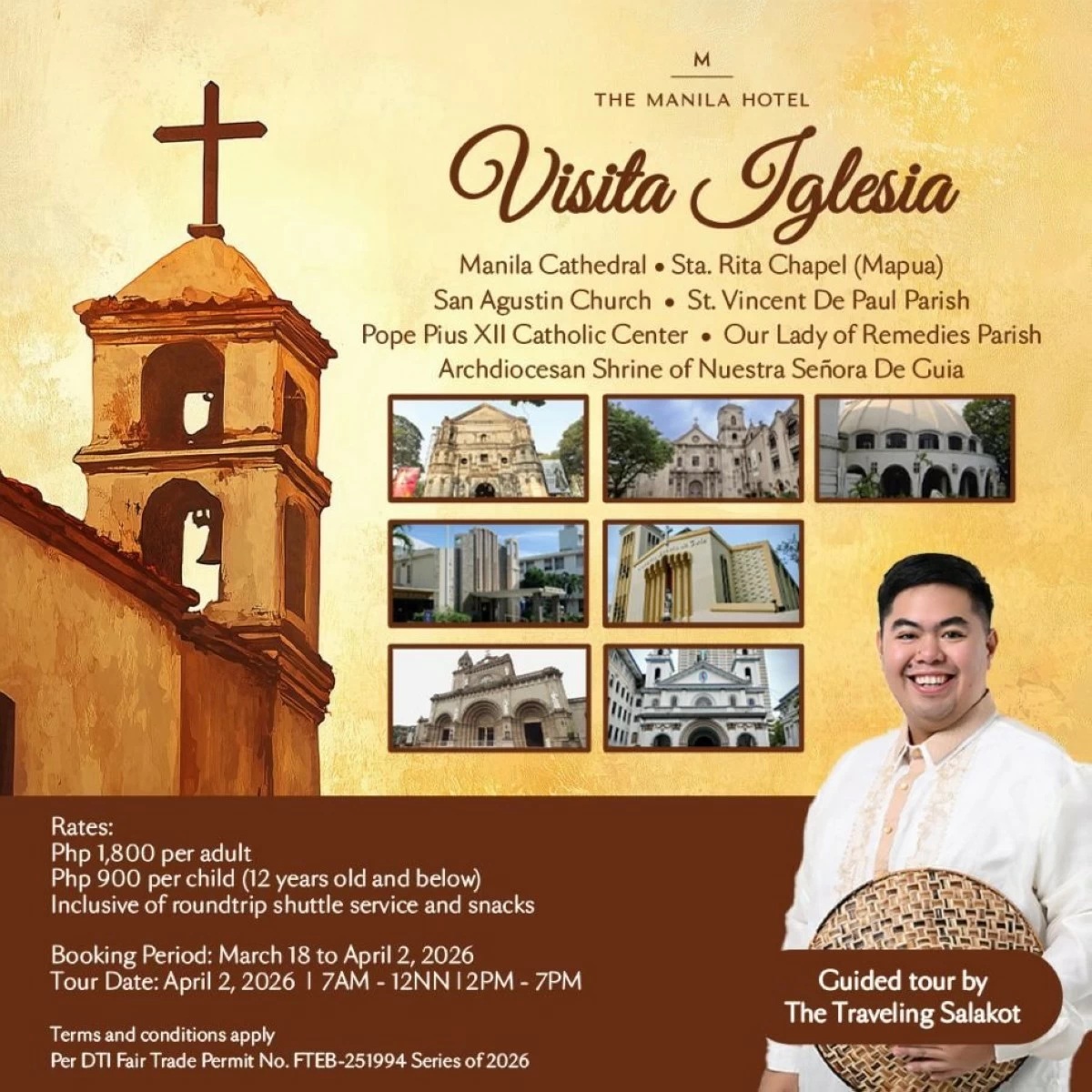
Details for The Manila Hotel's Visita Iglesia tour with Traveling Salakot (Photo from The Manila Hotel | Facebook)
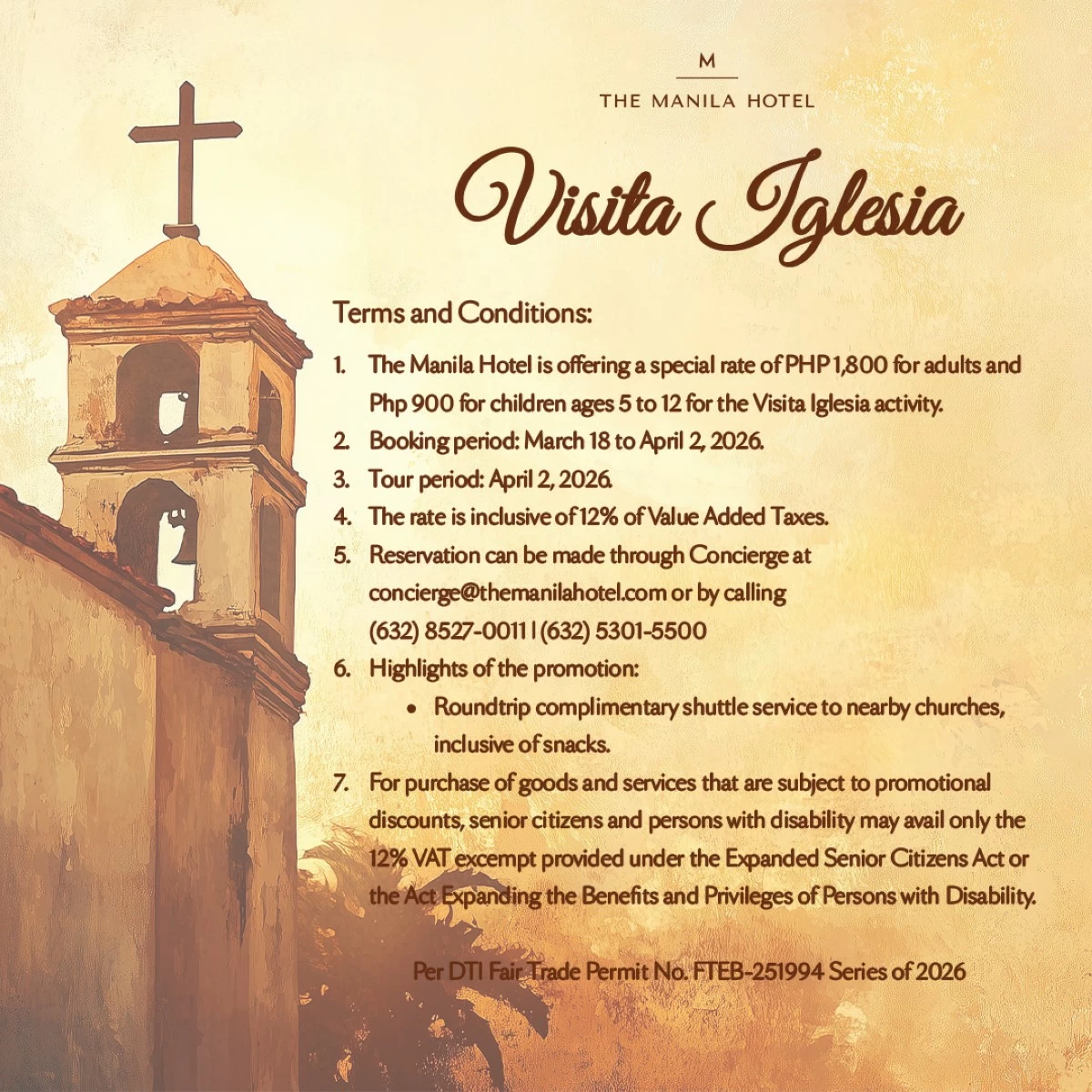
Details for The Manila Hotel's Visita Iglesia tour with Traveling Salakot (Photo from The Manila Hotel | Facebook)
The Manila Hotel’s Visita Iglesia tour with Traveling Salakot is available at ₱1,800 nett per adult, ₱900 nett per child (12 years old and below), and can be booked until April 2, 2026. Tour date is on April 2, 2026, and is inclusive of a round-trip shuttle service and snacks. You can choose the morning tour from 7 a.m. to 12 noon or the afternoon tour from 2 to 7 p.m.