






Manila Bulletin
 Lifestyle
Parenting
Three parents share their approach to discovering and nurturing their child's interests
Lifestyle
Parenting
Three parents share their approach to discovering and nurturing their child's interests
Lifestyle
Parenting
Three parents share their approach to discovering and nurturing their child's interests
Three parents share their approach to discovering and nurturing their child's interests
In a culture that often values achievement, patience and presence may be the key to raising confident children
Published Apr 1, 2026 10:23 am


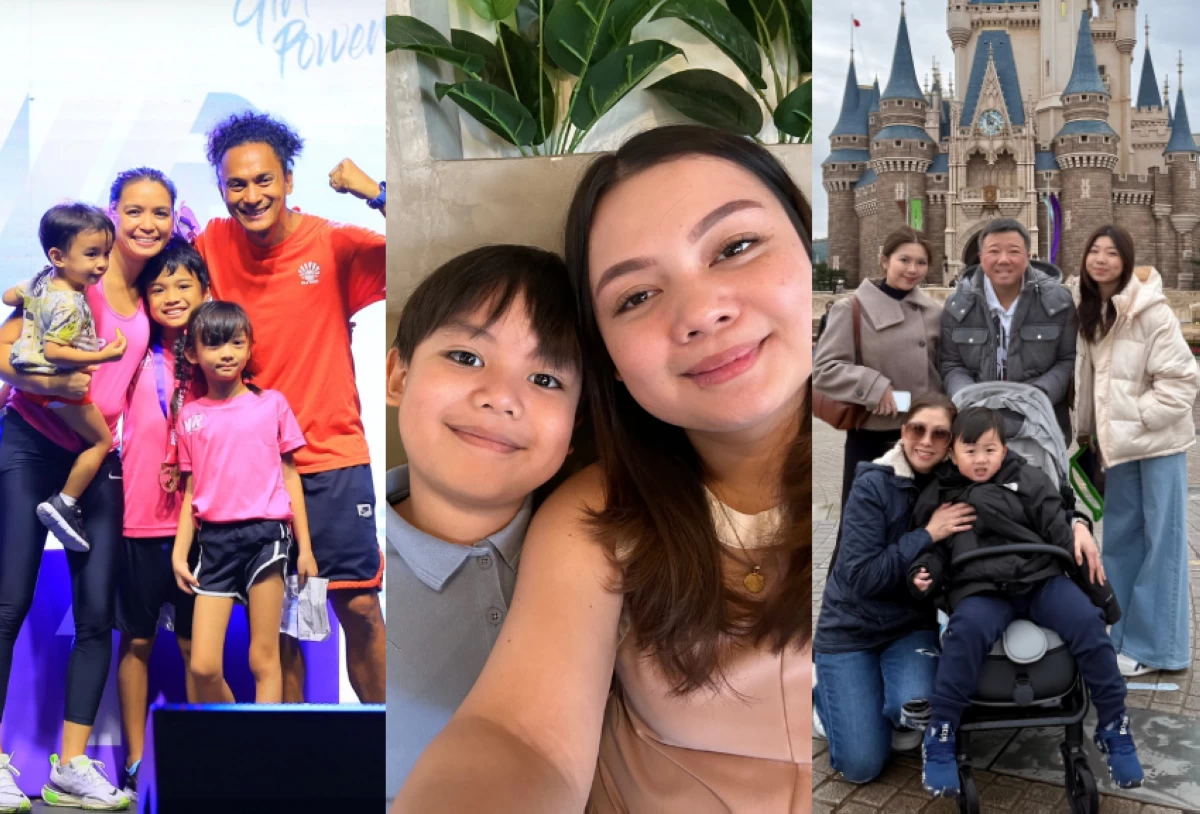
In many Filipino households, parenting is often associated with structure, expectations, and the desire to set children up for success. But what happens when we shift the focus—from outcomes to growth, from pressure to presence? Manila Bulletin Lifestyle asked three moms to share how they guide their children’s ever-changing curiosities while helping them choose what makes them shine.

‘I really believe kids do best when they feel supported, seen, and free to explore what they enjoy. I try to pay close attention to the things that make them happy and excite them, and I give them opportunities to try new things without pressure.
It’s important to me that my kids feel happy and confident—whether it’s a passing hobby or something they truly grow into. I want them to know their interests matter, and that they don’t need to have everything figured out right away.
For me, it’s all about creating a loving, safe, and supportive space where they feel comfortable, happy, and excited to learn and grow.’

'I stay actively present in my children’s daily lives and remain deeply involved in guiding them. I make sure their interests aren’t just noticed, but thoughtfully supported and developed in the best way possible.
At the same time, I encourage them, show up consistently, and make sure they feel fully backed in whatever they choose to pursue.
It’s a balance of being firm about standards while nurturing their interests with care, involvement, and a genuine belief in their potential, so they can grow with confidence.'

'Children’s interests are rarely linear—they shift, evolve, fade, and sometimes return in the most unexpected ways. Patience allows us, as parents, to give them the space to explore without rushing them toward outcomes. It means accompanying them through different phases, even supporting small passions that may only last a season, because each experience teaches them something about themselves.
Patience is choosing to observe rather than control, to guide rather than direct. When we give our children the time and support to try, fail, and try again, we allow their genuine interests—and ultimately their full potential—to unfold in their own way.'