






Manila Bulletin
 Philippines
Metro Manila
Parañaque prepares relief measures amid looming energy crisis
Philippines
Metro Manila
Parañaque prepares relief measures amid looming energy crisis
Philippines
Metro Manila
Parañaque prepares relief measures amid looming energy crisis
Parañaque prepares relief measures amid looming energy crisis
Published Apr 1, 2026 03:06 pm


The city government of Parañaque is stepping up preparations to cushion the impact of a looming energy crisis, as fuel prices continue to rise due to the ongoing Middle East conflict.
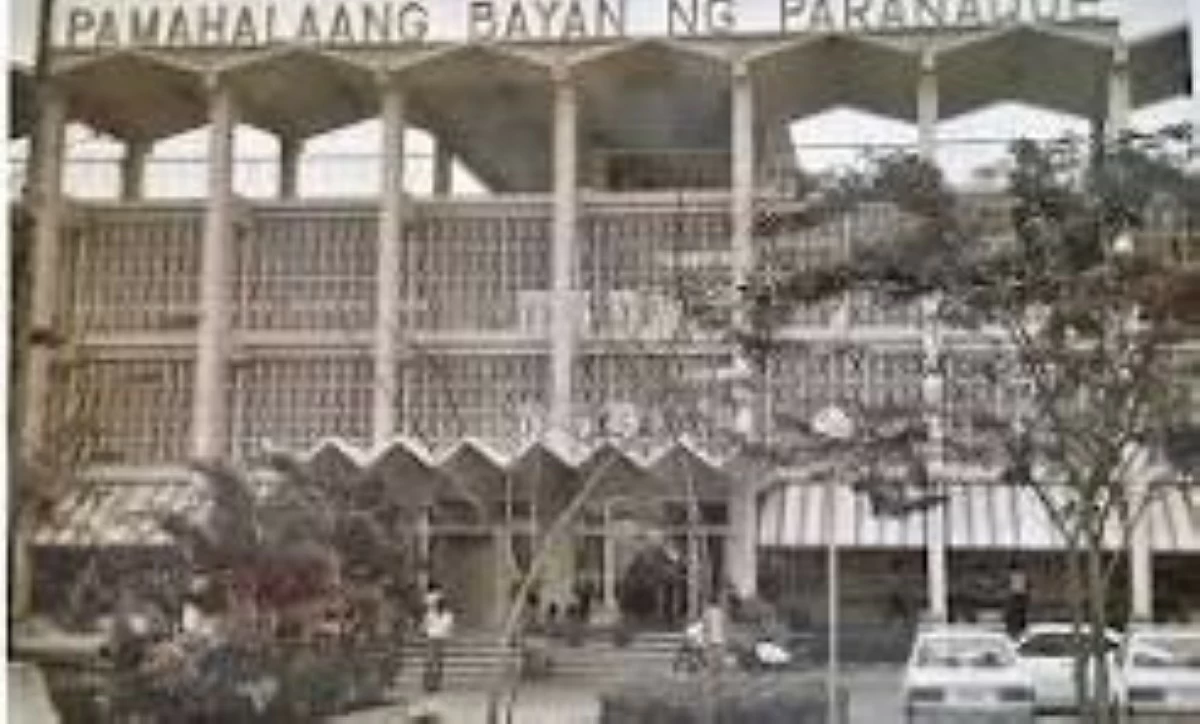
City Administrator Fernando Soriano said a “whole-of-government” approach is now in place, following a March 30 Energy Crisis Committee meeting aimed at crafting immediate relief and long-term interventions.
The move aligns with Memorandum Circular No. 2026-023, which urges local government units to cut electricity and fuel consumption after the declaration of a national energy emergency.
Soriano emphasized the urgency of coordinated action, noting that the city is ready to tap reserve funds to respond swiftly to emerging needs.
He said the local government is also exploring multiple funding streams to sustain its response, including the Local Government Support Fund (LGSF), which has a P1 billion allocation for participatory budgeting assistance, as well as potential realignments from existing appropriations and savings from ongoing programs.
City Treasurer Anthony Pulmano said the city government is assessing cash flow and available balances to ensure liquidity for emergency expenditures while maintaining fiscal stability.
Meanwhile, City Budget Officer Alejandro A. Depano II underscored the need for tighter revenue monitoring, noting that around P2.6 billion of the city’s budget is already earmarked for existing assistance or “ayuda” programs, limiting fiscal space for additional spending.
Assistance program
To address rising costs, particularly in basic goods like rice, the city is set to roll out a P106-million rice assistance program for vulnerable sectors starting April, with beneficiaries to be identified through the Department of Social Welfare and Development (DSWD).
A Technical Working Group has been formed to finalize a comprehensive response plan, including possible subsidies, expanded free ride services, and incentives for vendors.
Additional measures, such as fuel procurement for public use and energy-saving policies, are also being considered to mitigate the impact of the crisis on residents.