






Manila Bulletin
 Property and Living
From auction-house prestige to living room interior, moon jar sets lifestyle trend
Property and Living
From auction-house prestige to living room interior, moon jar sets lifestyle trend
Property and Living
From auction-house prestige to living room interior, moon jar sets lifestyle trend
From auction-house prestige to living room interior, moon jar sets lifestyle trend
Published Apr 1, 2026 12:53 pm
|
Updated Apr 1, 2026 01:21 pm


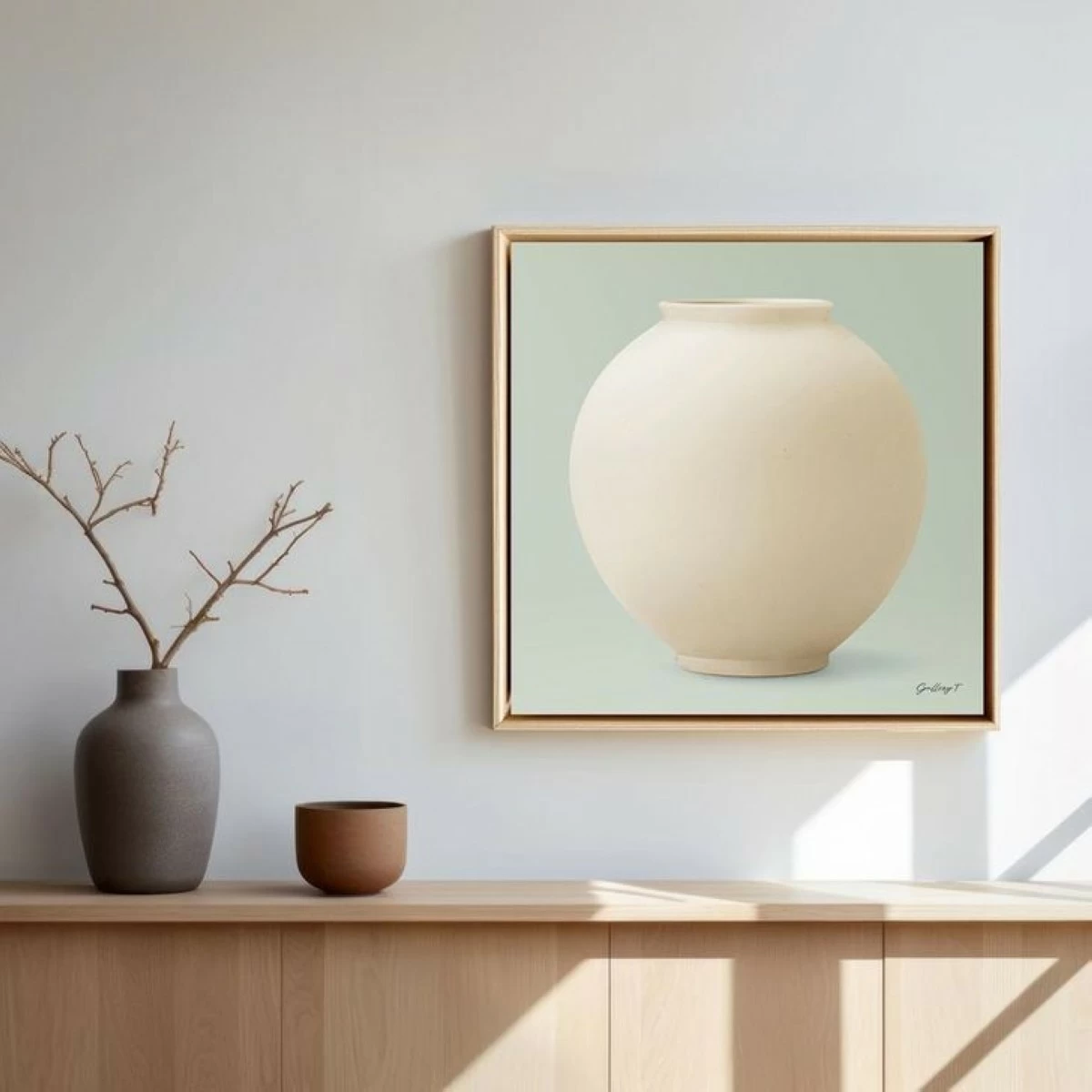
A framed painting of a moon jar available for sale at Gallery T, an online art shop / Screenshot from Gallery T website (Photos courtesy of The Korea Times)
Once a plain white storage jar for soy sauce and grain in late Joseon homes, Korea’s moon jar has risen to a multimillion-dollar blue-chip star of the global art market — and now, it has quietly come full circle, returning to Korean living rooms as a good luck décor staple and everyday lifestyle trend.
Its soft silhouette and milky glaze have found a new place as visual therapy, offering a sense of quiet and warmth to Koreans in time of uncertainty and overload. Its round shape and white color are believed to carry yin energy and water, associated with wealth, while its full-moon form symbolizes stability and abundance at home.
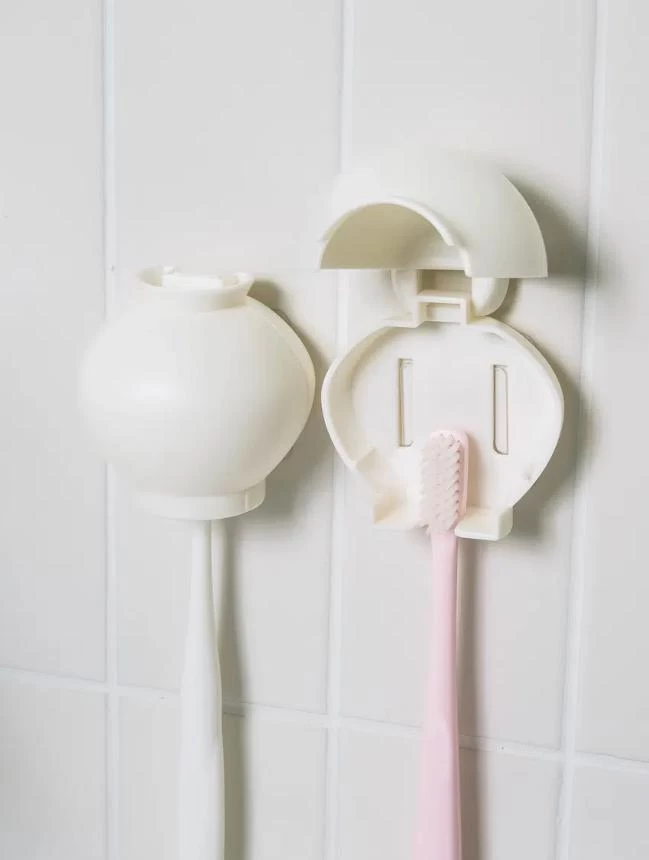
Moon jar-shaped toothbrush holders sold at Daiso / Captured from Daiso website (Photos courtesy of The Korea Times)
On a leading home decor and lifestyle commerce platform Ohou, a search for “moon jar” pulls up 1,718 items, from wall prints under 10,000 won ($6.5) to diffusers, vases, plant pots, doorbells and LED mood lamps in the 30,000 to 100,000 won range.
KakaoTalk’s gift service also reflects the craze, showing 5,526 results for “moon jar,” from small home accents to house warming and new year gifts that users can send with a few taps.
Budget retailer Daiso has also turned the motif into everyday essentials with affordable prices, offering a 5,000 won interior object that doubles as a diffuser or vase, a 2,000 won tissue cases and a 1,000 won toothbrush holders under a special “feng shui interior promotion.”
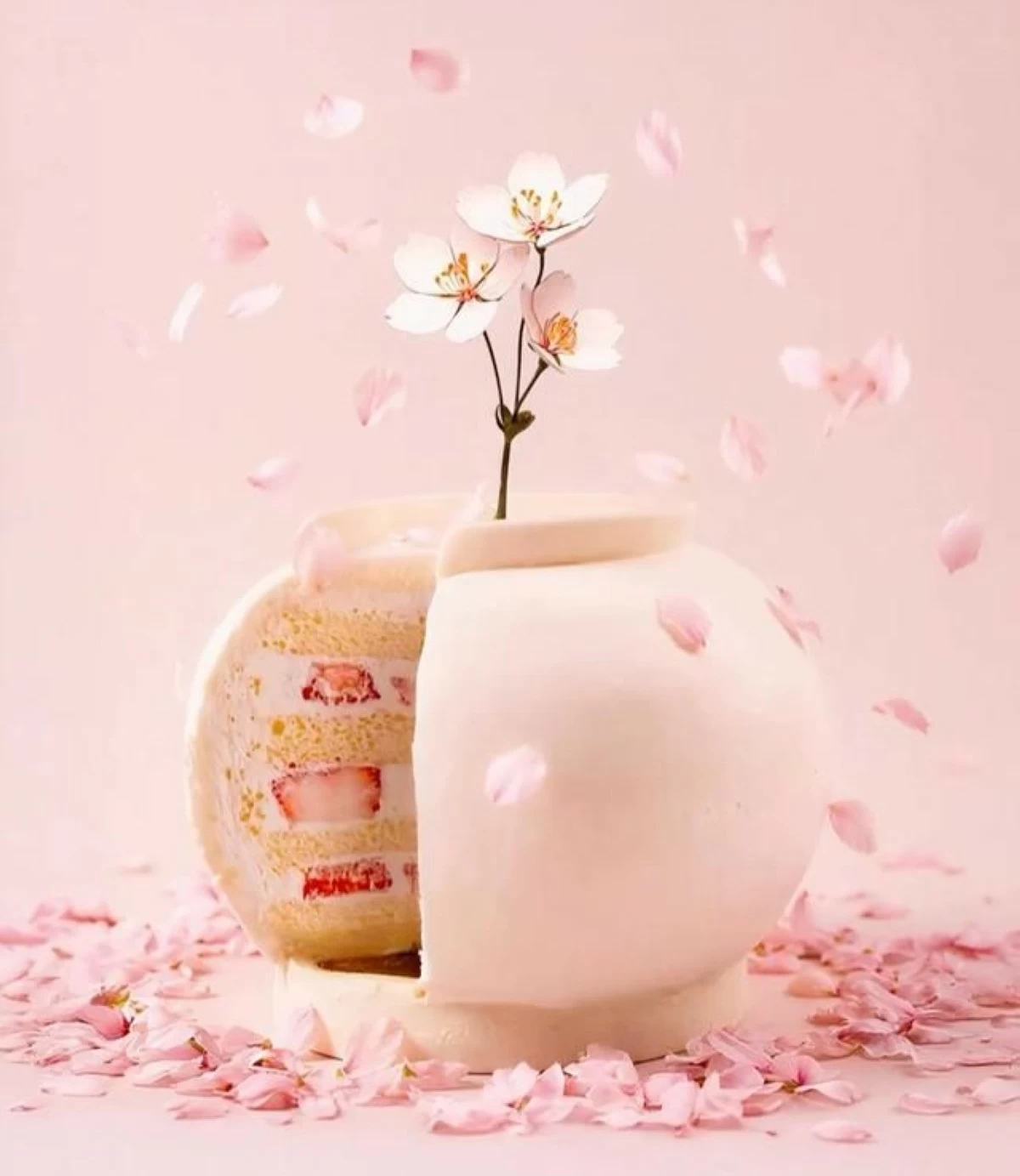
Premium bakery una haus' moon jar-shaped whipped cake's cherry blossom edition / Courtesy of una haus (Photos courtesy of The Korea Times)
The motif has spilled into food and hospitality. Premium bakery una house bakes whipped cream cakes shaped like pristine porcelain jars, filled with seasonal fruits and chocolate, and offers seasonal editions topped cherry blossoms and dried carnations for the family month in May.
Four Seasons Hotel Seoul is serving a moon jar half cake through this year as part of its holistic heritage experience, merging traditional esthetics with luxury dining. Several hotels and fine dining restaurants use moon-jar-like plates, while lifestyle magazines frequently feature moon jars in “healing interiors” and seasonal “good energy” styling tips.
Art historians trace today’s moon jar boom to its mid-20th-century rediscovery by figures like painter Kim Whanki and critic Choi Soon-woo, who reframed the once-utilitarian white jar as a poetic symbol of Korean beauty. Their legacy met pop culture, as BTS leader RM’s widely shared photos with a moon jar by master ceramist Kwon Dae-sup have gone viral, popularizing the item among younger fans and pushing it further into the mainstream.
While the jar becomes more familiar on Korean tables and shelves, its value is soaring on the global stage.
An 18th-century moon jar sold for about $3.18 million at Christie’s in New York last week, continuing a streak of multimillion-dollar results that have cemented the vessel as a blue-chip art asset. Moon jars’ prices have climbed from the low million-dollar range in the 2000s to the mid-single-digit millions in recent years.