






 Philippines
National
'Deeply concerning': Estrada urges DFA to protest China's presence in WPS amid Middle East conflict
Philippines
National
'Deeply concerning': Estrada urges DFA to protest China's presence in WPS amid Middle East conflict
'Deeply concerning': Estrada urges DFA to protest China's presence in WPS amid Middle East conflict


At A Glance
- Senator Jinggoy Ejercito Estrada on Wednesday, April 1 slammed China's move to exploit the ongoing Middle East conflict to expand its presence in the West Philippine Sea, saying that "this is unacceptable and deeply concerning."
Senator Jinggoy Ejercito Estrada on Wednesday, April 1 slammed China’s move to exploit the ongoing Middle East conflict to expand its presence in the West Philippine Sea, saying that “this is unacceptable and deeply concerning.”
“Multiple studies indicate that the West Philippine Sea holds significant untapped oil and natural gas resources,” Estrada pointed out in a statement.
“Any attempt to exploit the situation—at a time when global attention is focused on the ongoing conflict in the Middle East—not only undermines our sovereignty, but also threatens regional security and the rules-based international order,” the senator said.
While the Philippine’s immediate priority is to ensure the welfare of Filipinos affected in the Middle East tension and address the tightening fuel supply in the country, Estrada said it is imperative to also deal with China’s actions.
“We must not lose sight of the need to respond with firmness and resolve to China’s provocative actions,” he said.
“I urge the Department of Foreign Affairs (DFA) to immediately file a diplomatic protest against these deliberate, illegal, and unprofessional actions,” added the lawmaker.
Likewise, Estrada called on the Armed Forces of the Philippines (AFP) to intensify patrols within the disputed maritime area and continue exposing China’s violations.
“Hindi lamang ito usapin ng soberanya—ito ay usapin din ng seguridad sa enerhiya at kinabukasan ng bawat Filipino (This is not just a matter of sovereignty—it is also a matter of energy security and the future of every Filipino),” he said.
Estrada reminded the government that the Philippines has fought and won its rights in the arbitral tribunal, in accordance with the United Nations Convention on the Law of the Sea (UNCLOS).
“Kaya malinaw: atin ang West Philippine Sea, atin ang mga yaman at resources na nakapaloob dito, at hindi tayo dapat natitinag sa pakikipaglaban dito (So it is clear: the West Philippine Sea is ours, the wealth and resources contained therein are ours, and we should not be deterred from fighting for it),”
On Tuesday, the AFP warned that China can’t be considered a reliable partner in the WPS. Rear Adm. Roy Vincent Trinidad, Philippine Navy spokesperson on the WPS, cautioned the government saying that history had shown a “difference between talk and action” when dealing with China.
Against this backdrop, the Department of Foreign Affairs (DFA) renewed talks with Beijing on possible joint oil and gas explorations and coast guard cooperation in the WPS.
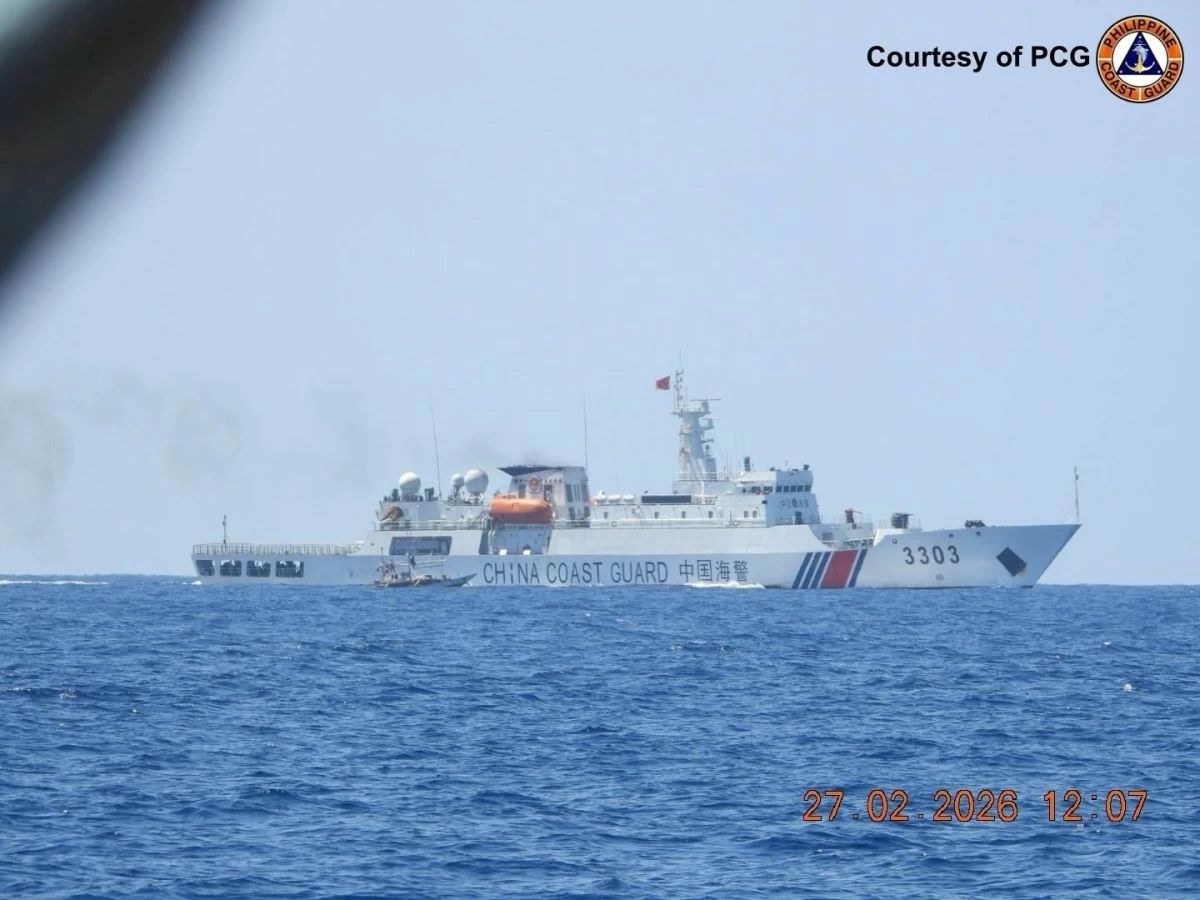
As the Manila-Beijing talks have concluded, Trinidad warned of a sharp increase in Chinese maritime activity in the WPS, particularly the presence of nearly 90 Chinese vessels this month within the area.
He noted that this increase in Chinese activity in the WPS coincides with the ongoing tensions in the Middle East.