






Manila Bulletin
 Business
The Economy
Brace for ₱164.5 diesel: Hefty price hike looming as early trading spikes
Business
The Economy
Brace for ₱164.5 diesel: Hefty price hike looming as early trading spikes
Business
The Economy
Brace for ₱164.5 diesel: Hefty price hike looming as early trading spikes
Brace for ₱164.5 diesel: Hefty price hike looming as early trading spikes
Published Apr 1, 2026 01:50 pm


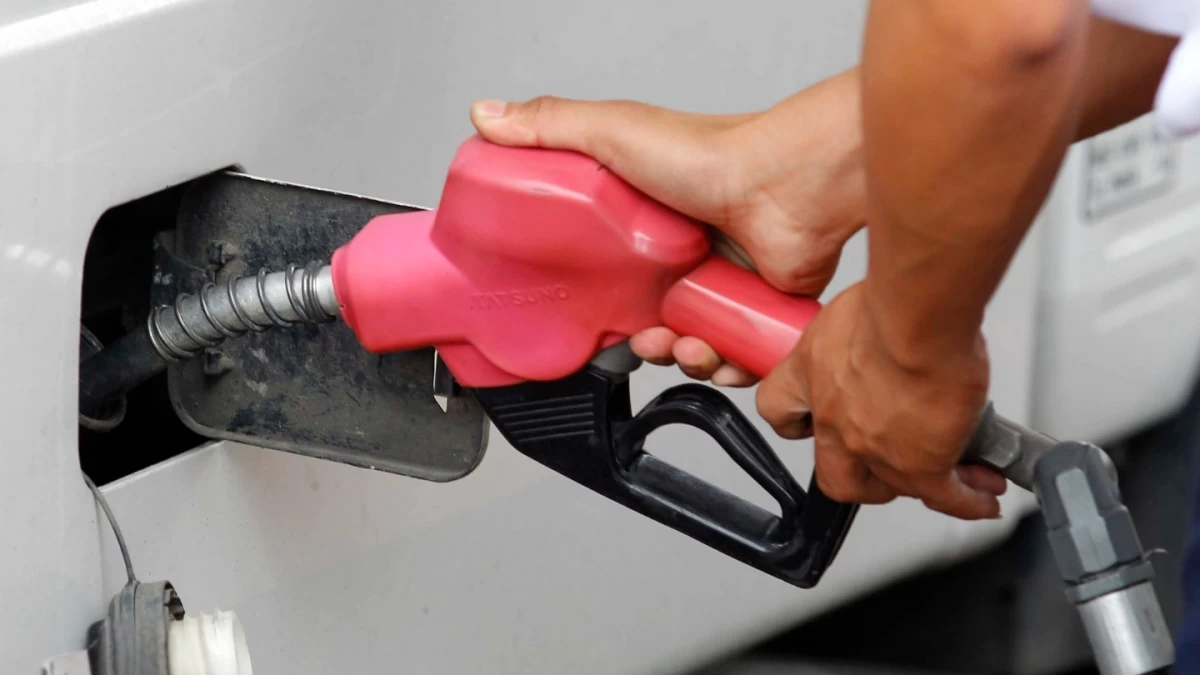
Motorists may face sharp spike in fuel costs as international supply anxieties push domestic pump prices toward record highs, prompting the government to issue emergency anti-hoarding directives to protect the local market.
Based on the first two-day estimates in the Mean of Platts Singapore (MOPS), the cost of diesel is projected to climb by ₱11 to ₱12 per liter during the first week of April. Gasoline prices are also expected to rise by ₱3 to ₱4 per liter, a reversal from the price freeze observed this week.
If these projections materialize during the final Saturday assessment on April 4, gasoline prices could reach as high as ₱115 per liter, while diesel may surge to ₱164.50 per liter.
Filipino households and businesses are also facing a sharp increase in energy costs as the country’s major fuel retailers implemented a massive hike in liquefied petroleum gas (LPG) prices, effective April 1.
The adjustment will see the price of a standard 11-kilogram cylinder rise by as much as ₱403.
Seaoil Philippines Inc., operating through its Seagas brand, led the price adjustments on Wednesday with an increase of ₱36.63 per kilogram. This translates to an additional ₱402.93 for a standard household tank, marking one of the steepest single-day increases in recent years.
The move was followed by Petron Corp., the country's largest oil refiner, which announced a hike of ₱20 per kilogram, or ₱220 per cylinder. Solane also adjusted its rates upward by ₱17 per kilogram, adding ₱187 to the retail price of its 11-kilogram units.
The price surge is primarily driven by a spike in the international contract price of LPG, which serves as the regional benchmark for pricing in Asia.
The price volatility stems from escalating geopolitical tensions in the Middle East. Analysts pointed to recent maritime escalations, including attacks by Yemeni Houthis targeting Israel, as the primary catalyst for the surge in crude benchmarks.
The risk of a widened regional conflict has also reignited fears of the sustained supply disruption, forcing oil companies to adjust their Tuesday price schedules upward.
In response to the looming price shock, the Department of Energy (DOE) is tightening its grip on the downstream oil industry to prevent artificial shortages.
Energy Secretary Sharon Garin announced a suite of strict guidelines designed to ensure petroleum products remain available for essential economic activity.
The measures authorize the government to impose temporary limits on fuel purchases and mandate more rigorous monitoring of inventory levels nationwide.
The new policy provides a definitive framework for identifying prohibited acts of hoarding and grants the agency the power to issue show-cause orders to gas stations suspected of withholding supply. To enforce these rules, the energy department is coordinating with a Department of Justice task force to pursue administrative or criminal charges against violators.
The crackdown involves a multi-agency coalition, including the Philippine National Police, the National Bureau of Investigation, and the Bureau of Fire Protection, to monitor distribution hubs and retail outlets.
While the agency continues to seek additional supply contracts for the remainder of the month, the immediate focus remains on price stability and public order amid intensifying global market pressures.