






Manila Bulletin
 Philippines
National
Yap's pitch: ₱900 monthly electricity subsidy for Pinoys sourced from fuel VAT
Philippines
National
Yap's pitch: ₱900 monthly electricity subsidy for Pinoys sourced from fuel VAT
Philippines
National
Yap's pitch: ₱900 monthly electricity subsidy for Pinoys sourced from fuel VAT
Yap's pitch: ₱900 monthly electricity subsidy for Pinoys sourced from fuel VAT
Published Mar 31, 2026 06:51 pm


At A Glance
- Why not redirect excess government revenues from fuel taxes to a direct subsidy program that would help Filipinos pay their monthly electricity bills?
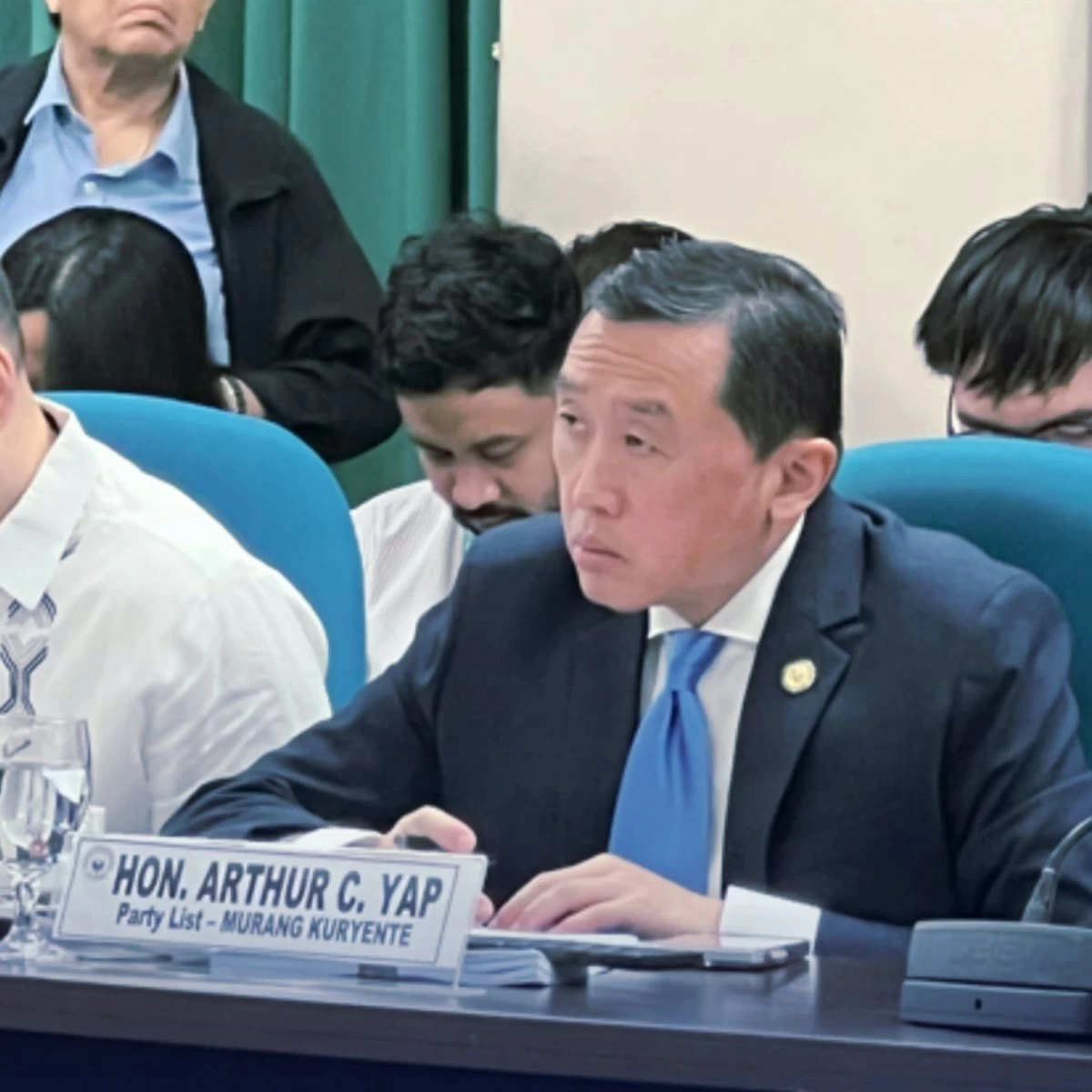
Murang Kuryente Party-list Rep. Arthur Yap (Facebook)
Why not redirect excess government revenues from fuel taxes to a direct subsidy program that would help Filipinos pay their monthly electricity bills?
Murang Kuryente Party-list Rep. Arthur Yap floated this suggestion even as he pointed out Tuesday, March 31 that the skyrocketing of global oil prices have significantly increased value-added tax (VAT) collections on local fuel.
According to Yap, an estimated ₱25 billion to ₱35 billion annually in incremental revenues have been generated since the start of the United States (US)-Israel-Iran conflict in late February, which led to uncertainties in global oil supply.
He explains that this “windfall” arises because VAT is pegged to fuel prices, meaning that every increase in pump prices automatically results in higher government collections.
“Every ₱10 increase in fuel prices generates roughly ₱24 billion in additional VAT collections per year. That is revenue driven by global price shocks, and it is only fair that a portion of it be returned directly to the Filipino people,” Yap said.
The hostilities led to fuel price shocks in the Philippines, which caused pump prices of gasoline and diesel to both cross the ₱100-mark--historically a rare occurrence.
Instead of the traditional "ayuda" or aid distribution, Yap proposed channeling support to the households through the country’s network of electric cooperatives (ECs) and distribution utilities (DUs).
Under the plan, households paying ₱3,000 or below in monthly electricity bills would receive a 30 percent subsidy, or about ₱900 per month, for up to nine months.
The program is expected to benefit up to 3.5 million families, at a total cost of ₱24–28 billion, funded entirely from excess fuel tax collections, he noted.
Yap says the proposal is fiscally responsible, as it does not require new borrowing or additional taxes, but simply reallocates revenues already being collected due to elevated fuel prices.
“This is faster, cleaner, and more equitable. Instead of lining up for ayuda, Filipinos will see it directly reflected in their monthly bills,” the party-list congressman said.
He adds that using electricity bills as the delivery mechanism ensures nationwide coverage, transparency, and minimal administrative cost.
“If we want ayuda that actually reaches people efficiently, we should use systems that already reach every household,” Yap said.
“This is not only efficient—it is dignified,” he further said.