







Should you start riding a motorcycle to save on fuel?
A no-nonsense primer
By Inigo Roces
Published Mar 31, 2026 11:08 am


At A Glance
- We go over the pros and cons of moving to two wheels to help you determine if this is a viable solution.
- These smaller vehicles can easily snake through traffic, consume much less fuel, and more importantly, save you some valuable time.
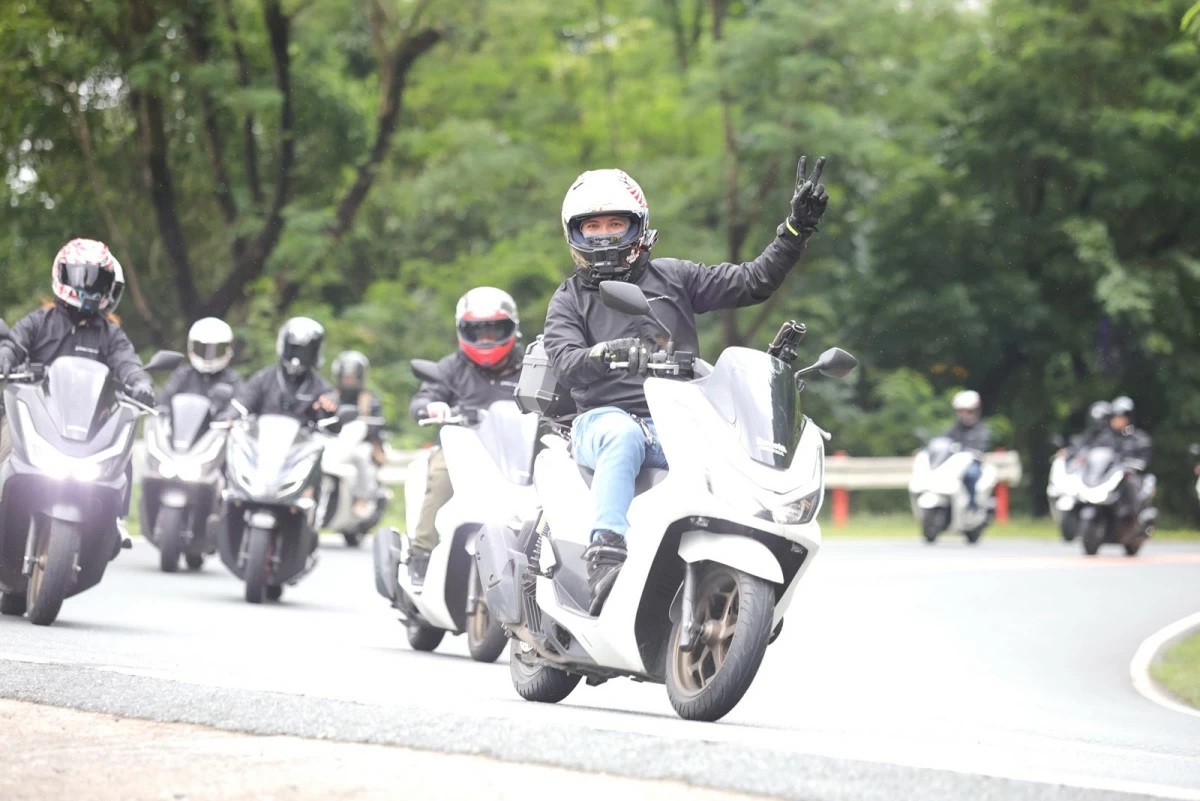
With the current fuel crisis, it’s beginning to feel like traveling by car is getting increasingly expensive. Some are recommending switching to hybrid or electric, but that involves buying a new car entirely. For many, that’s an investment that’s simply too big.
Thankfully, there’s a more affordable alternative on the table. Granted, it’s still a vehicle that requires fuel, but significantly less of it.
We go over the pros and cons of moving to two wheels to help you determine if this is a viable solution. After all, these smaller vehicles can easily snake through traffic, consume much less fuel, and more importantly, save you some valuable time.
Are these gains worth the many risks involved with riding a motorcycle? We're not talking about giving up on cars completely, just using motorbikes for personal transport and relegating cars to out-of-town and family trips.
I’ve since made the move to two wheels some years ago and still regard it as one of the best decisions I’ve made. It’s not all sunshine and roses though as there are a lot of sacrifices that have to be made to commit to two wheels, at least on weekdays.
For the benefit of brevity, we’ll presume you know how to balance on two-wheels, can operate a motorcycle, have the appropriate restriction on your license, and most importantly, have your loved ones’ permission to ride a motorcycle daily. If not, we suggest you secure those first.
Pro: Big savings
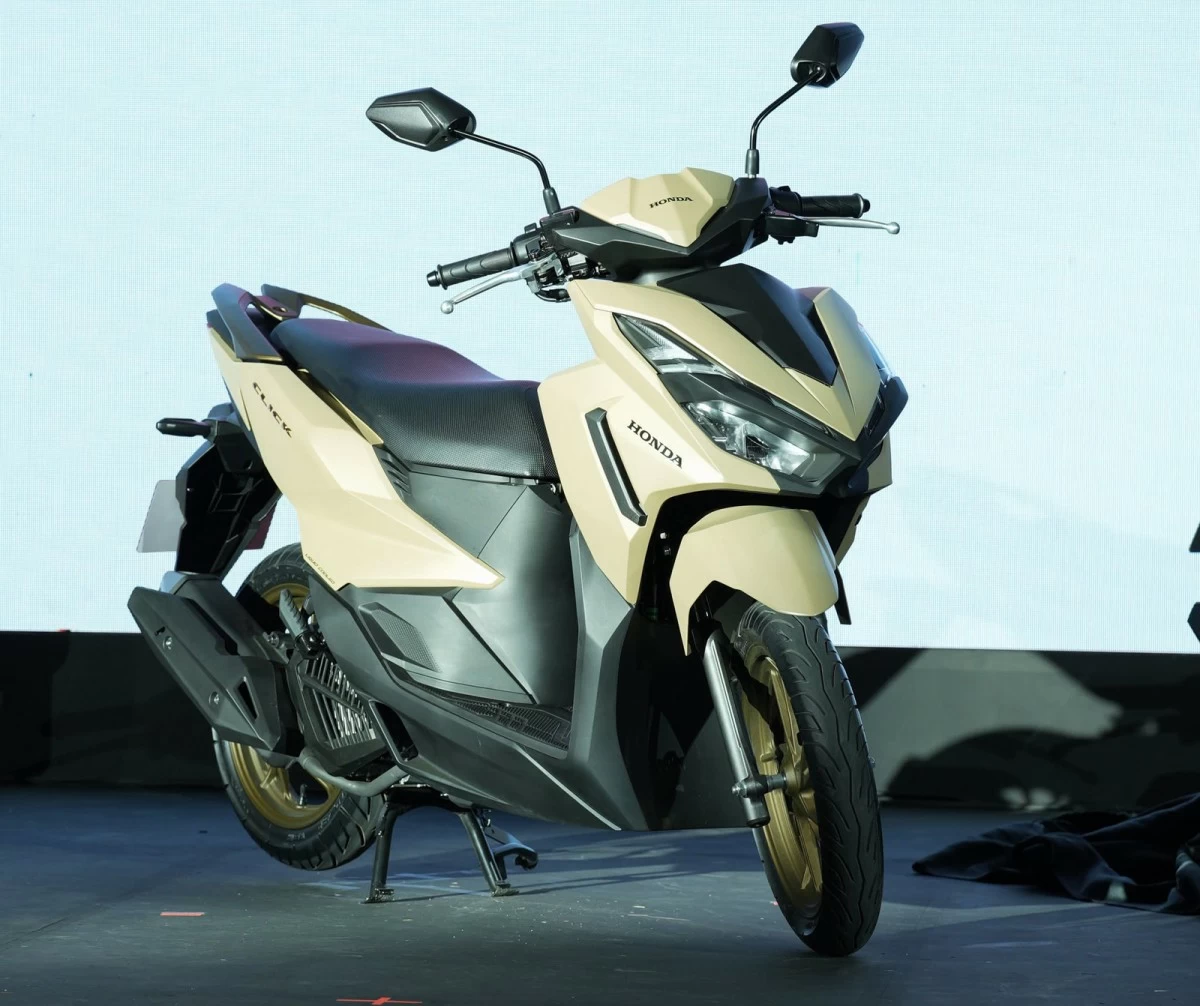
Let’s start with the good news: the savings. Commuting with a motorcycle will save you a lot, not just in terms of costs but in terms of time as well.
A motorcycle is by far more affordable to acquire and maintain than a car. You can pick one up for as little as ₱55,000. For daily rides around town, we recommend motorcycles models hovering around the ₱80k-₱100k price point. Bump it up to ₱250k or more if your regular commute involves a highway as you’ll need a bike that’s 400cc or above for access.
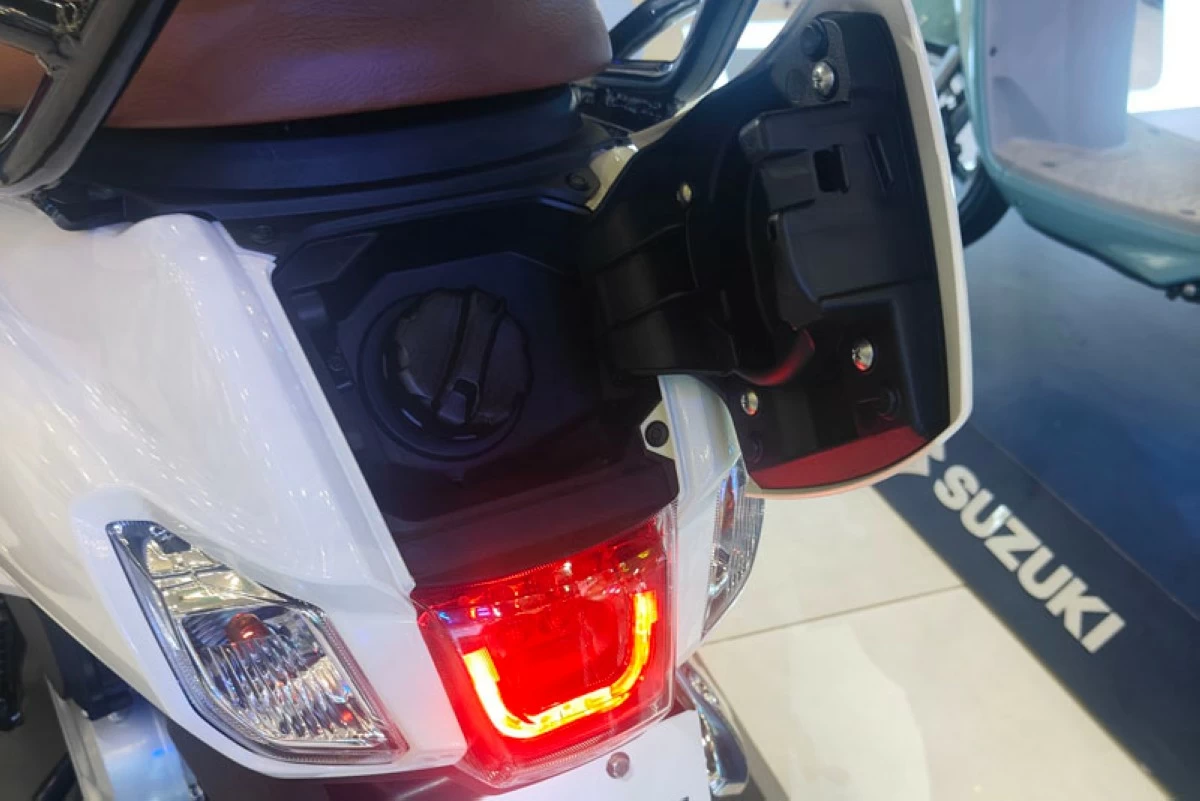
The Access has a unique rear-mounted fuel filler cap for easier refueling.
With a car and with today’s current fuel prices, you’ll find yourself spending between ₱2000-₱4000 a week on fuel alone. With a motorcycle, it can be anywhere between ₱300 – ₱900 a week, depending on the bike. Bikes average anywhere from 20 - 50 km/L in fuel consumption. After all, you’re using at least 2 less cylinders than a car in an engine with 1/8 the displacement, and a bike a quarter of the weight.
When it comes to parking, some areas and parking facilities offer more affordable rates for motorcycles if not a steady flat rate. As such, you can expect some savings in this aspect as well.
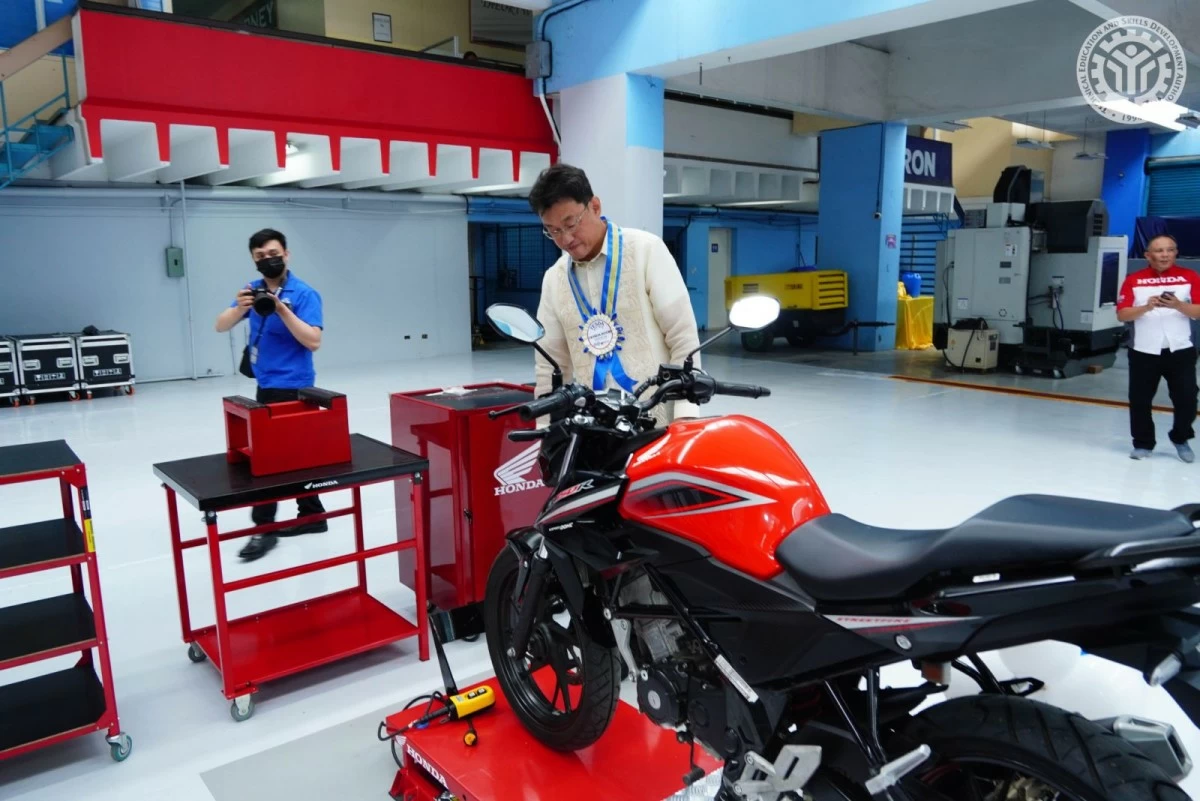
Maintenance is easy too, with your typical PMS session costing anywhere between ₱750-₱2,000, oil and labor included. Expect this to approach vehicle PMS prices when it comes to larger European or American motorcycles. All totaled up, that's still considerably less than a car.
Finally, because of their small size, motorcycles can squeeze into tighter gaps and get through traffic snarls more easily. Depending on how bold you are, this can cut your commute by ¼ the time to as much as half the travel time with a car. With this time savings, you can get more done, depart a little later, and get home a tad sooner.
Con: Required accessories
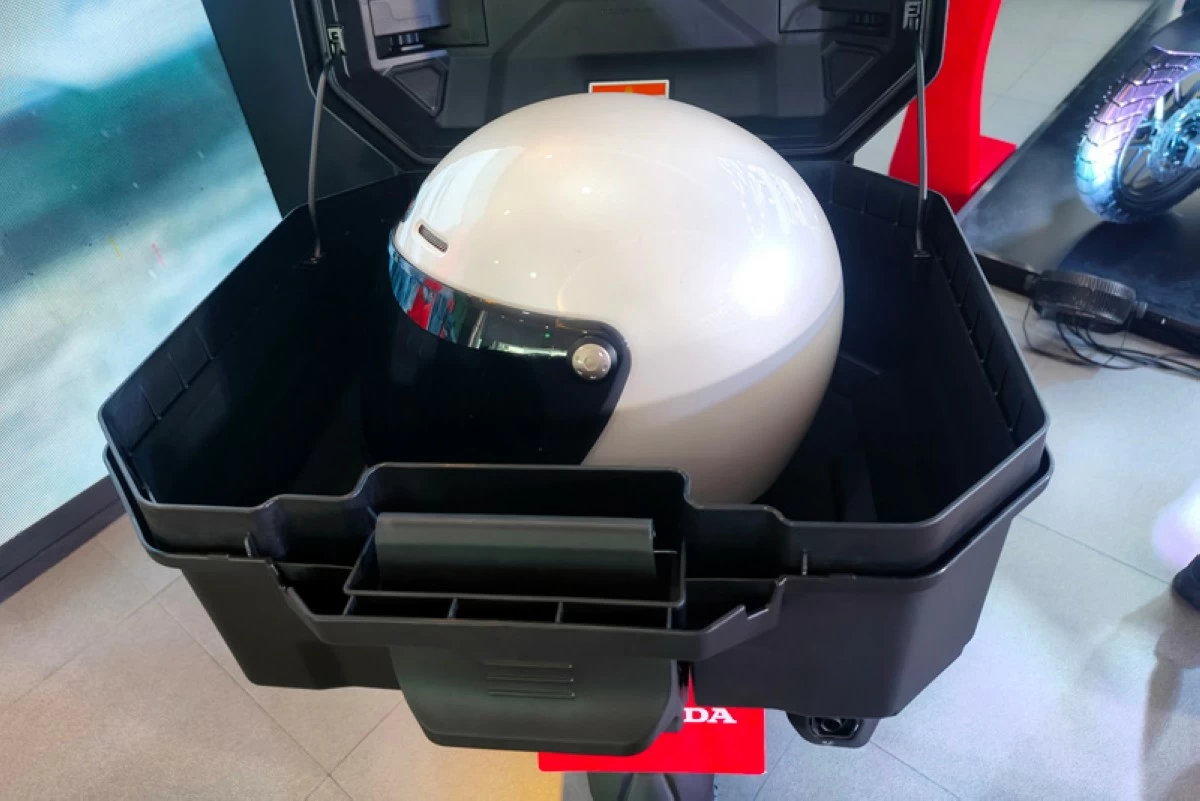
Let’s be honest, purchasing just the motorcycle itself is often not enough. There are several equipment sets and accessories you might need too. On the plus side, many of these are one-time expenses.
First of all, you’ll need some protective gear, so factor these into your acquisition cost. The bare necessities are a proper helmet, a jacket, and riding gloves.
Most motorcycle dealers offer a free helmet with each motorcycle purchase, although we recommend spending extra for one with a better safety rating, as many of these free helmets only have the bare minimum safety compliance.
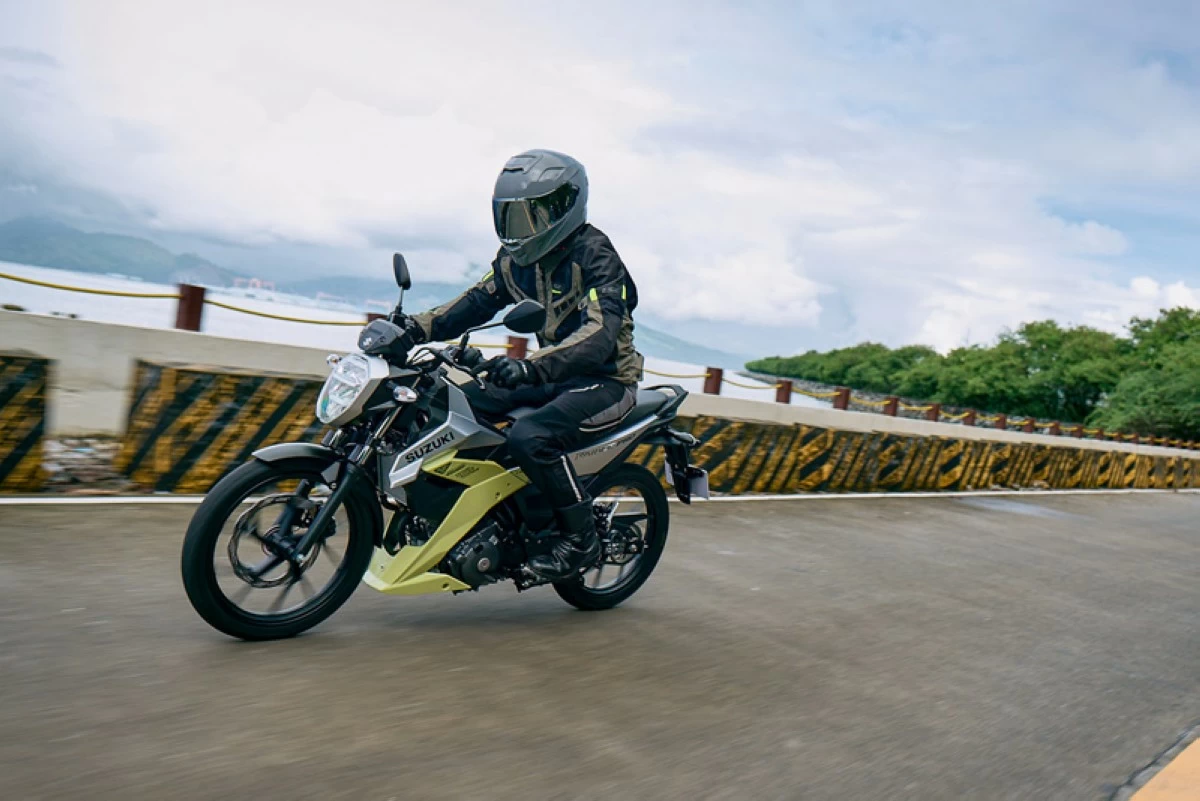
As for a riding jacket, a mesh riding jacket with built-in padding should provide enough protection to help you survive falls or slides unscathed. Of course, the thicker and more comprehensive the padding, the better, but also the higher the price. There are even jackets with built-in airbags to protect you in the event of a fall. Of course, expect to fork over a lot of money for these.
As for gloves, proper motorcycle gloves have hard knuckles and palm protection. These are essential as they are the parts of your hand most likely to hit the ground if you fall.
You might want to look into extra protection in the form of riding pants with padding on the knees, and butt. Though if you have a particular uniform to observe at work, external elbow pads, knee pads and back protectors that Velcro on will do too.
Finally, if you’ve chosen a manual motorcycle, you might want to look into riding shoes or boots with pads over the toes. Shifting, after all, is done with the toe and frequent contact with the gear lever can scuff your work shoes.
All this protective gear can set you back anywhere from ₱10,000 – ₱100,000 depending on how safety-conscious (or style-conscious) you are. Not to worry as this is money well spent and will go a long way towards mitigating road rash and broken bones. Remember that it’s recommended to change out this gear every five years.
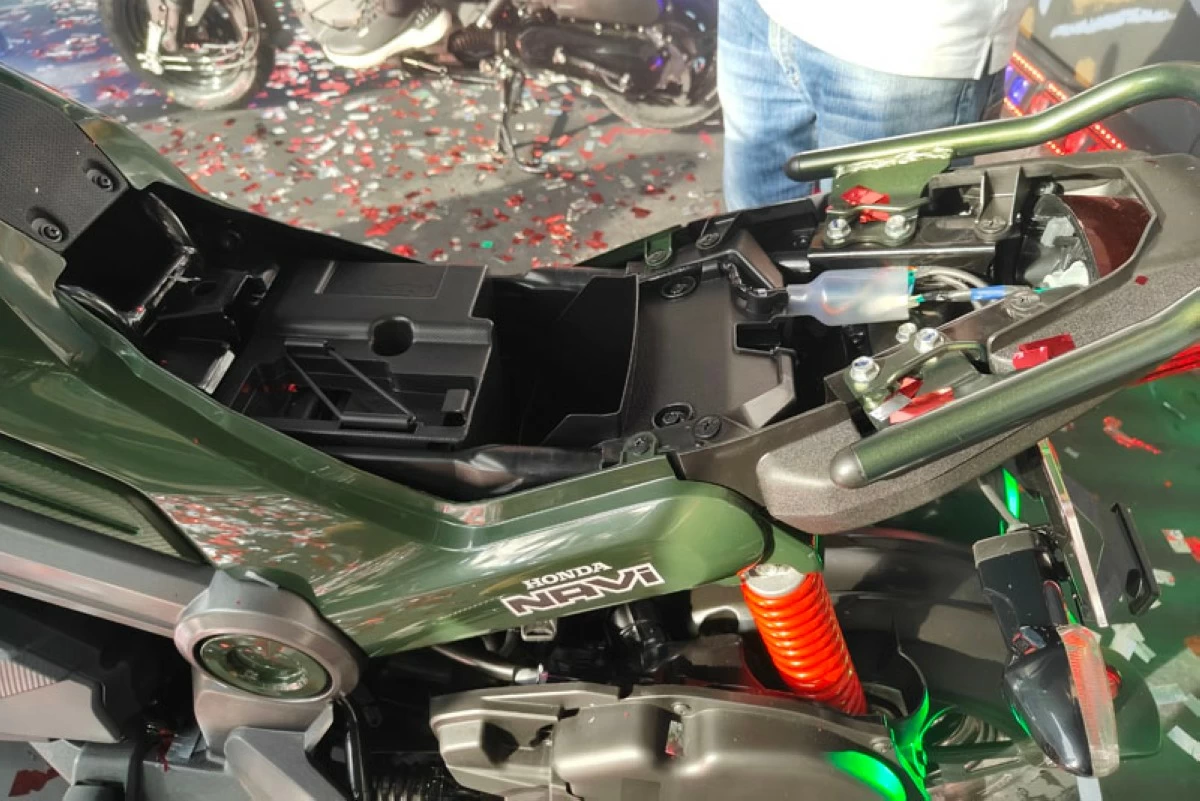
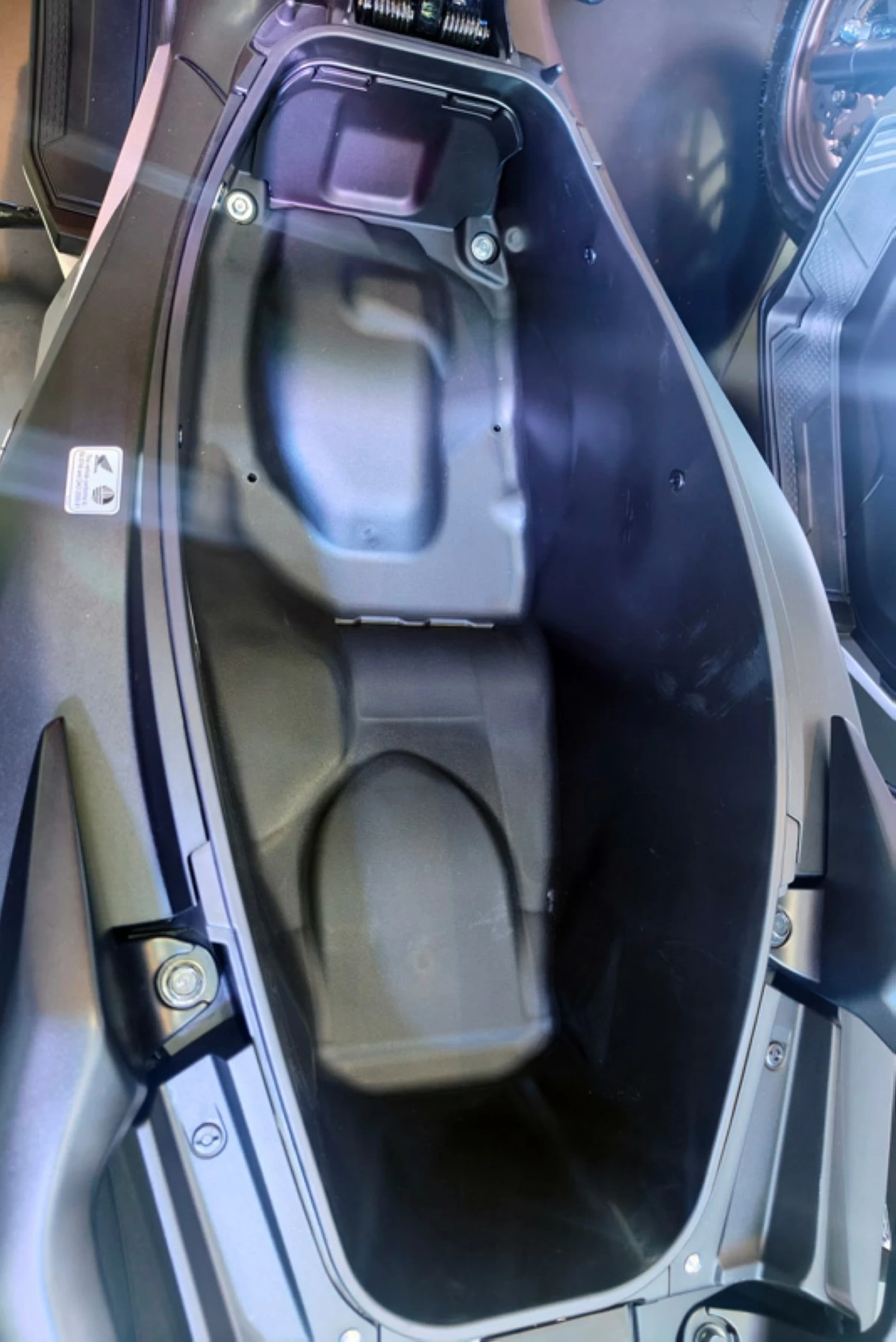
You may also want to add utility to your motorcycle as most bikes offer little to no storage for your things. You can simply ride with a backpack and carry your helmet around. Otherwise, it might be a good idea to spend on storage boxes and a proper phone mount so you don’t bear the weight while riding.
Storage boxes, like those made by Givi, Shad, or SEC usually require a rack (another expense) to attach onto, and their availability is highly dependent on the model of your bike. That’s another ₱5k – ₱60k to add to the acquisition cost.
If you’re concerned about scratching up your bike, there are protective bars and sliders available for several models. Of course, these are considerably heavy or bulky and can make the bike even wider and more difficult to squeeze through traffic.
Pro: Traffic is not a problem
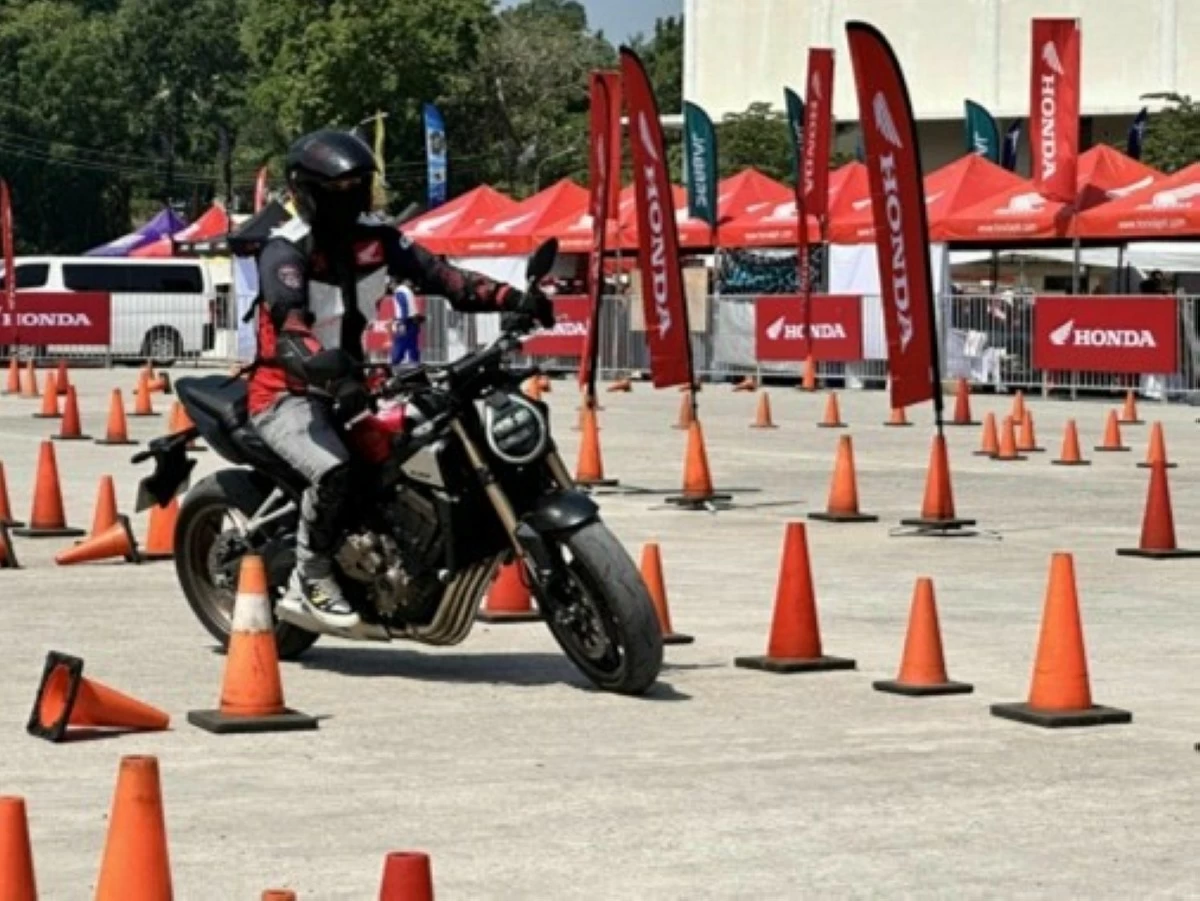
Bikes are small, fast, and agile, making them easier to accelerate from a stoplight and get away from the crowd of vehicles. They can squeeze through rows of cars, easily maneuver around bottlenecks and obstacles, and make a U-turn on a narrow street. This lets you get around faster, particularly if there are a lot of congested areas on your route. In addition, it also makes parking easier.
Con: Protection is also minimal
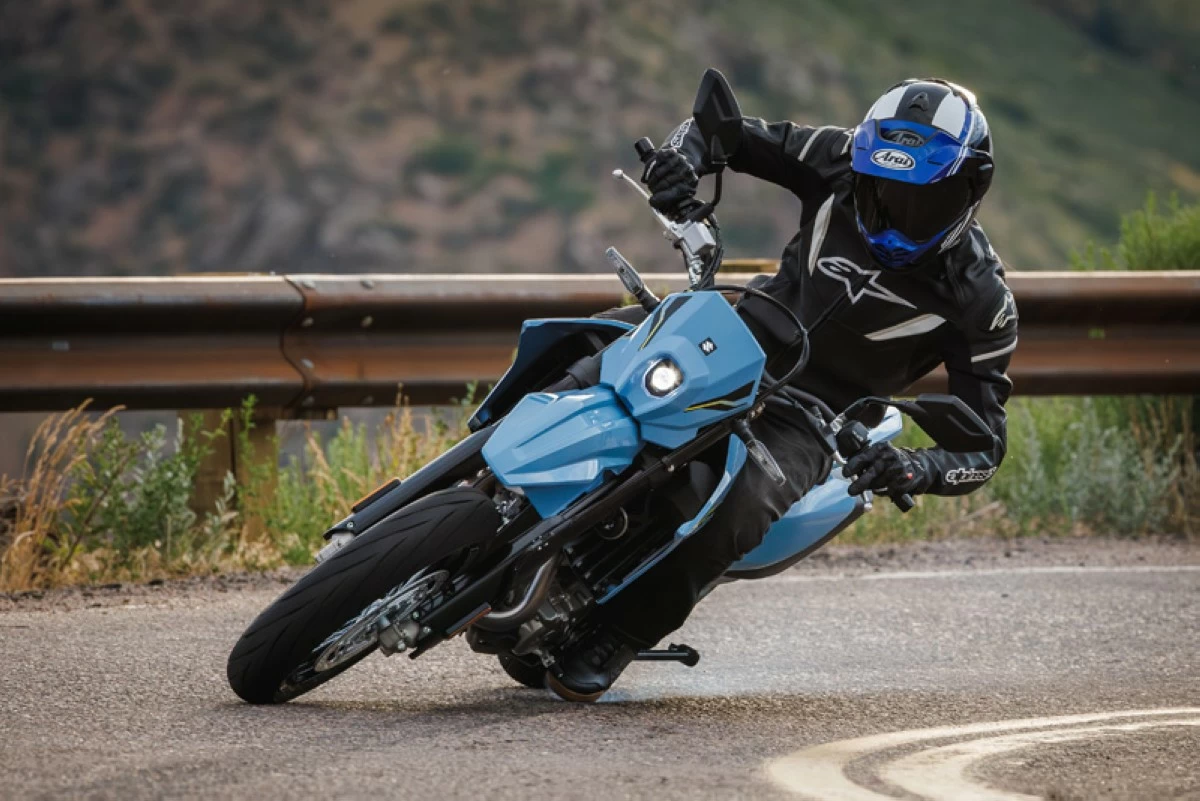
The bike’s most obvious weakness is the lack of protection for the rider. This means, you’re more likely to bear the brunt of an impact with another vehicle. That’s why we highly recommend spending on proper protective gear. Even with the right protective gear, there’s very little to absorb the impact from a car. And if you’ve fallen off your bike there’s still the risk of slamming against the curb or getting run over. These can lead to broken bones, or worse, death.
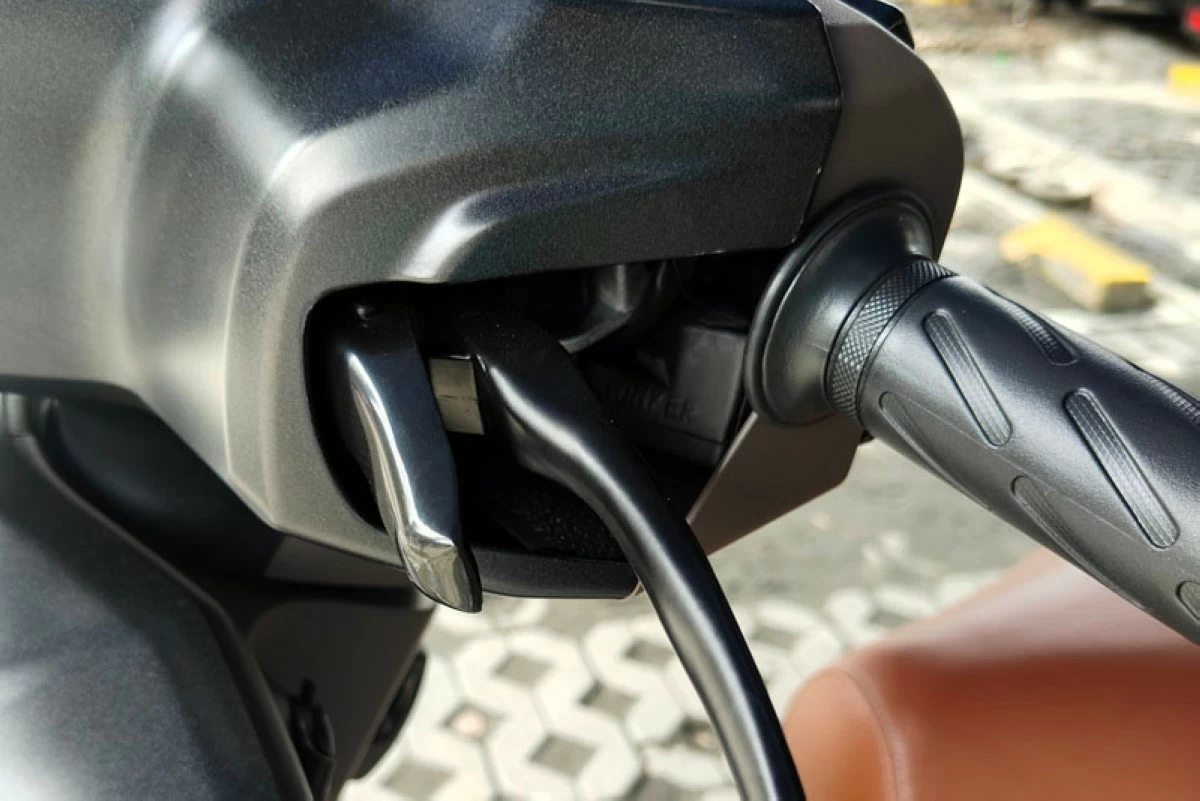
Brake level with built-in brake lock to secure the bike when parked.
While bikes can accelerate quickly, they’re pretty terrible at braking. After all, you’ve got two less contact patches and need to balance the bike as well as the front and rear brake force by manually, often without the aid of ABS. There are many bikes that offer combi-braking (front and rear brake with one lever) and ABS, but there’s no replacement for knowing the proper way to do it, yourself.
Also keep in mind that in traffic, most car drivers aren’t trained to be on the lookout for motorcycles. Or at least it's more difficult to keep track of all the motorcycles moving around them. Keep that in mind even if you have your lights always on. Bikes are small and can easily be hidden in a car’s many blind spots. You’ll have to use your horn, flash your lights, and even rev the engine to alert nearby cars of your presence. Expect to be cut off or nearly bumped a lot more frequently, as cars most likely won’t see you coming.
Pro: Coding exemption
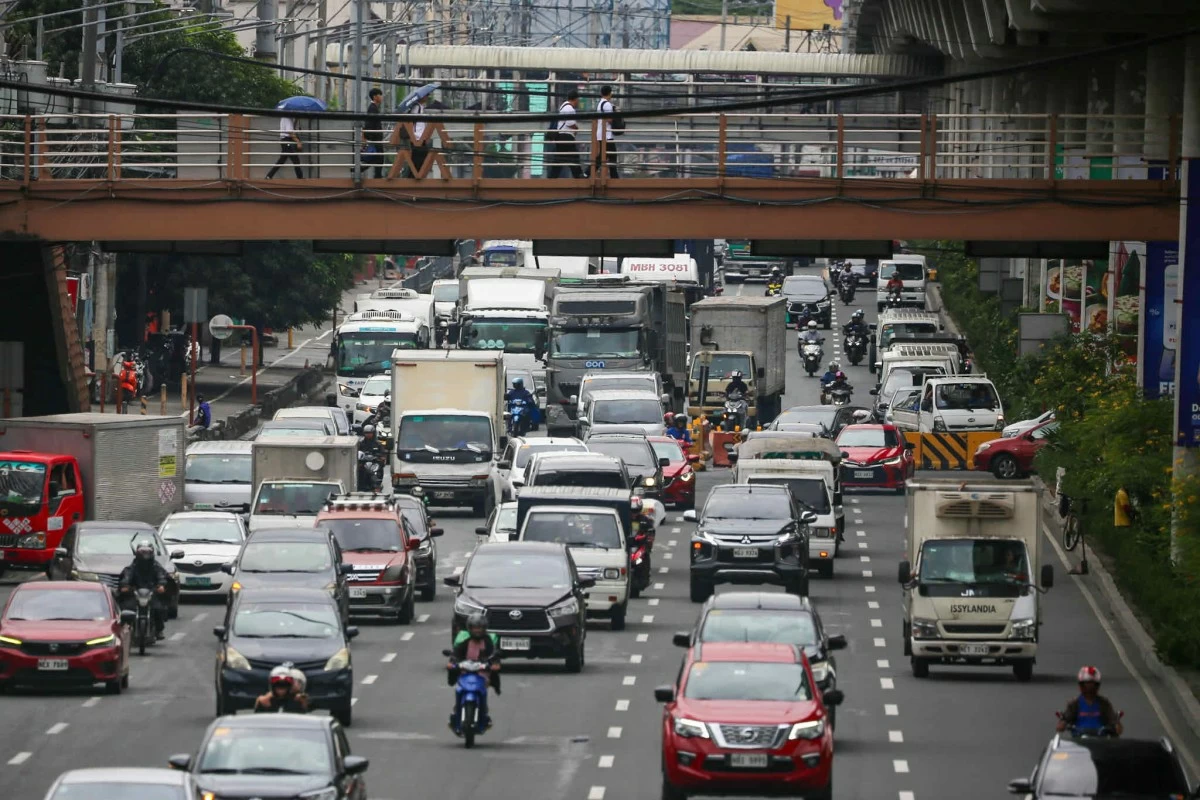
Cars are subject to a couple of restrictions, particularly in big cities. For one, there’s number coding. This does not apply to motorcycles, so you can take them every day, and nearly everywhere if you wish.
Another recent rule is the Anti-Distracted Driving Act (ADDA) which restricts the position of onboard devices. Motorcycles are exempted from the famous four-inch rule and can have phones and dash cams mounted as high as desired. Of course, you’ll still get caught if you’re seen texting while riding.
Con: Semi-biased enforcement
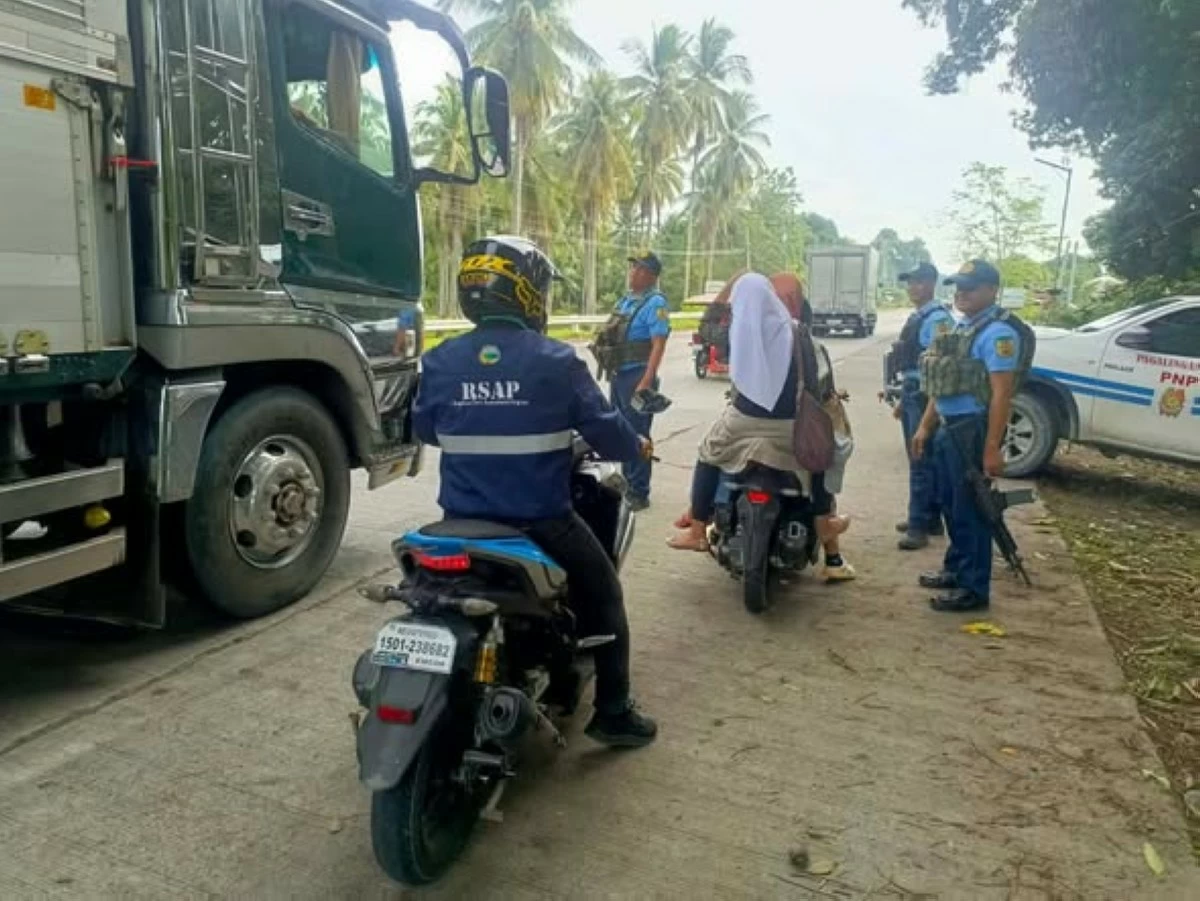
While cars may tend to ignore you, police, on the other hand, may be more alert to your presence. Criminals, unfortunately, also prefer to ride motorcycles for the same pros (i.e. quick getaways) so police frequently set up check points to inspect bikes passing through crime-prone areas. Always ensure your registration is up to date and you have your papers with you.
Sad to say, they operate by face value and will typically allow expensive bikes (like big bikes) to pass through while pulling over the more common and affordable scooters and underbones. Being courteous to the officer and complying promptly may speed up the inspection process. Unfortunately, it’s a hassle most will have to endure.
Like the police, office and mall security tend to treat all riders like potential criminals. Prepare to remove your helmet and have your bike inspected when entering these establishments.
Many establishments restrict where motorcycles can park. Some big bikes may be given car parking spaces, but if you have a small bike or scooter with an engine less than 400cc, prepare to be corralled into motorcycle parking.
In office buildings or malls, motorcycle parking spaces are usually in the farthest parts of the carpark or the lowest basement floors, jam-packed with other bikes. Squeezing a relatively wide bike through these spaces can be quite a geometric puzzle, so be warned. Expect your bike to be scratched in the process by other riders.
Pro: An enjoyable daily drive
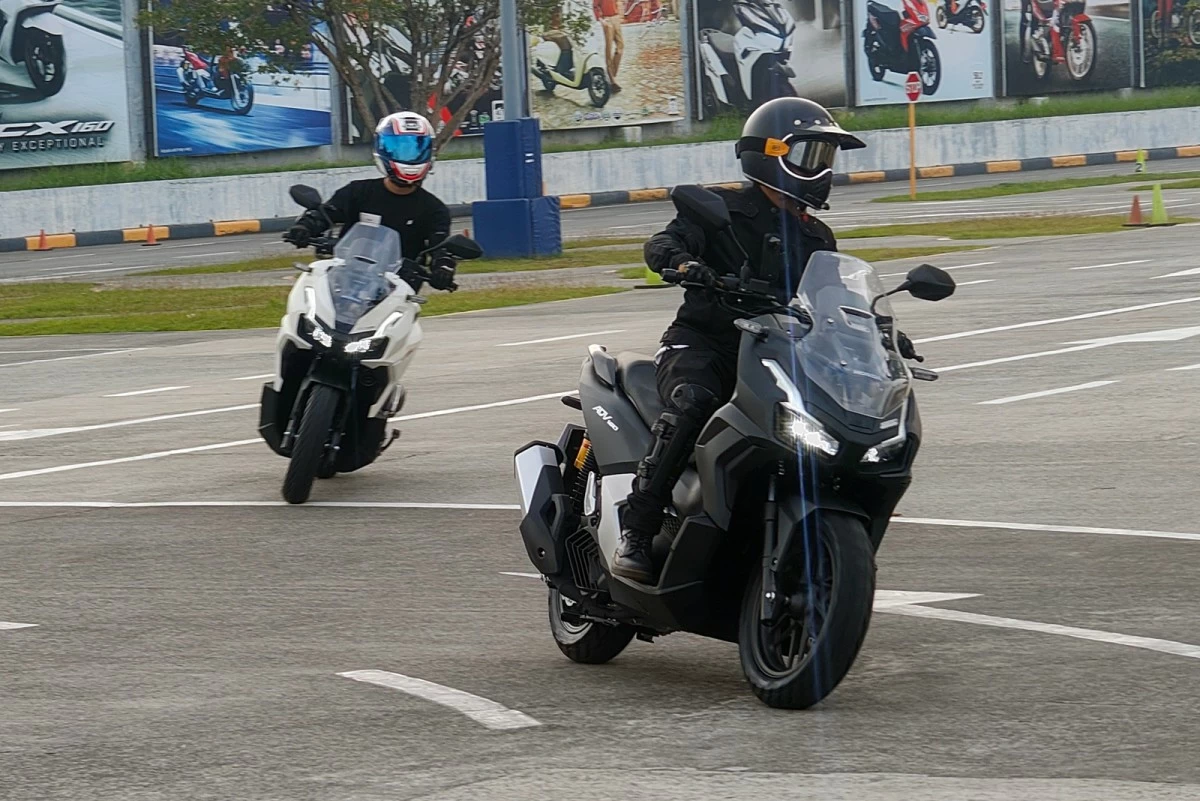
Another unexpected perk of getting a bike is the joy from simply riding. For one, the commute itself is more enjoyable, because of the more open experience. There’s no cage of pillars and doors separating you from the environment. As such, there’s a greater and unfiltered sensation of speed and excitement to be had, even from just traveling at 60 km/h. Because it takes less time to travel, you’ll typically arrive at your destination happier, less stressed, if a little sweaty.
Con: Weather is your enemy
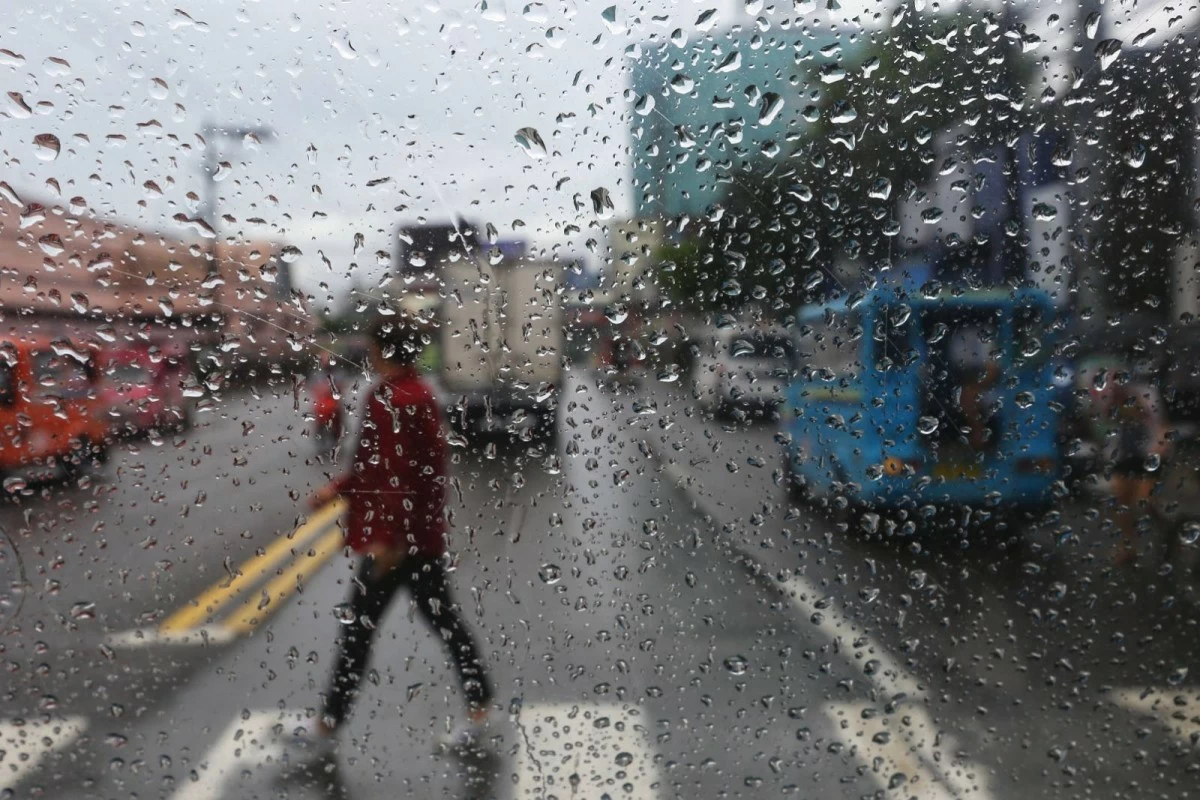
(Manila Bulletin / file)
The downside of being so exposed is the elements themselves. On most days, you’ll be exposed to the sun. It can get quite hot on prolonged commutes. Coupled with the thick protective gear, the slow pace of traffic, and heat from the engine, and you’re almost guaranteed to arrive at your place of work sweaty. It’s best to invest in dry-fit clothing or pack work clothes to change into.
The rain is probably your worst enemy. It will not only get you wet but make most surfaces that were grippy quite difficult to ride on. The rain brings oil to the surface of the road, washes dust and debris onto the road, and can make objects like steel panels, manholes, cat-eyes, and road markings slippery. During these times, it’s important to be even more cautious as it’s even easier to lose traction or crash.
There’s lots of ways to prevent getting wet, though the best is simply waiting it out. There’s lots of rain gear available that can be packed into a small package, but this will take up even more precious cargo space. It may keep the rain away, but because it is so thick, can also feel like a sauna inside. If you’re not drenched in rain water, you could be drenched in sweat.
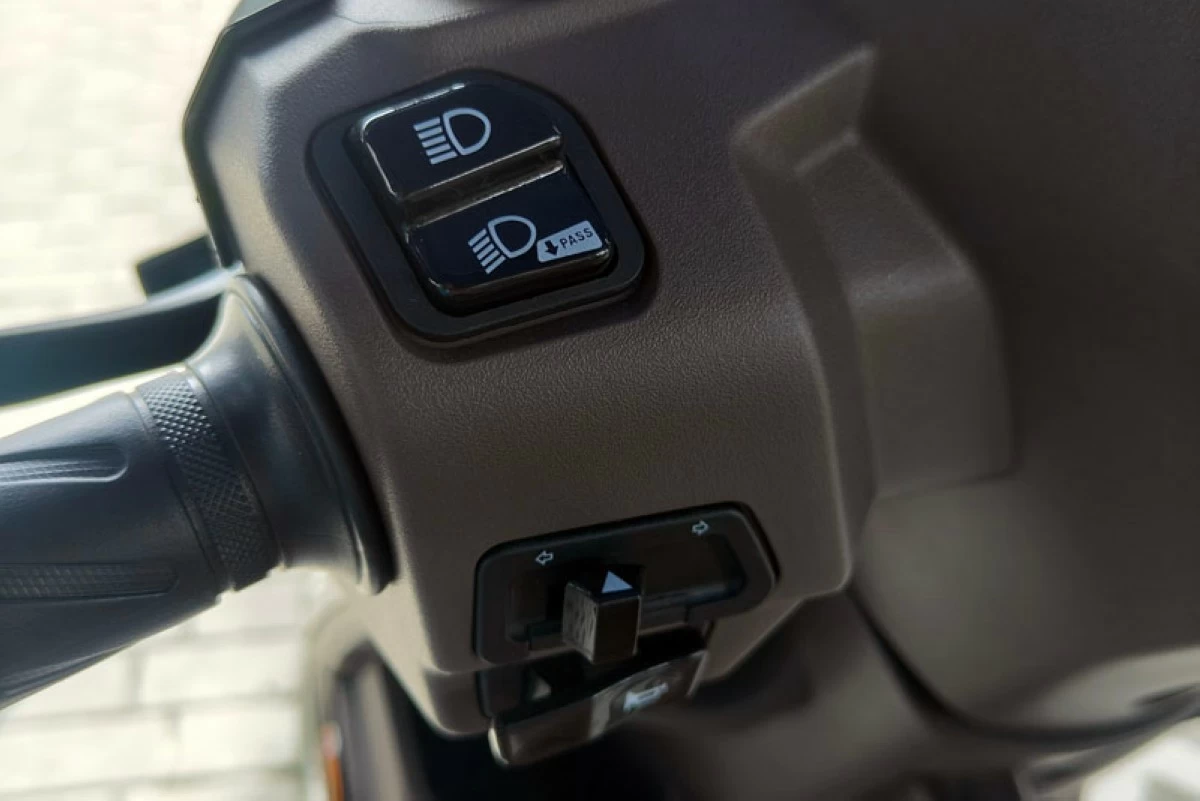
Light switches and turn signals with built-in passing lights.
Night time riding is another concern as this reduces your visibility as well as the chance of other vehicles seeing you. Many riders install additional auxiliary lights, though the LTO is quite strict on what can be fitted and where on your bike. There are lots of reflective vests available, but that’s another thing to put or store on top of all the other gear you need to bring.
Pro: Riding is not as dangerous as you think
Many have said riding is like putting one foot in the grave. Yet with the number of technological and safety improvements on motorcycles and protective gear, it’s far safer than most give it credit for.
Riding is generally only as dangerous as the rider’s driving habits. If you tend to squeeze into tight gaps, cut other vehicles off, speed on every open stretch, then you might as well get an internment plan. If you’re a calm, cautious, and courteous rider, many of these risks can be avoided. After all, many of the accidents involving motorcycle riders are usually the result of speeding, the bike being in the wrong lane or staying in a vehicle’s blind spot. So long as the rider is aware of the many risks and rides accordingly, it’s not as dangerous as many think it is.
Granted, there’s little we can do about speeding cars, trucks and buses barreling into a biker. And chances are, the rider is not likely to survive. Yet that’s a risk you’ll simply have to live with.
Con: Discipline and focus are essential
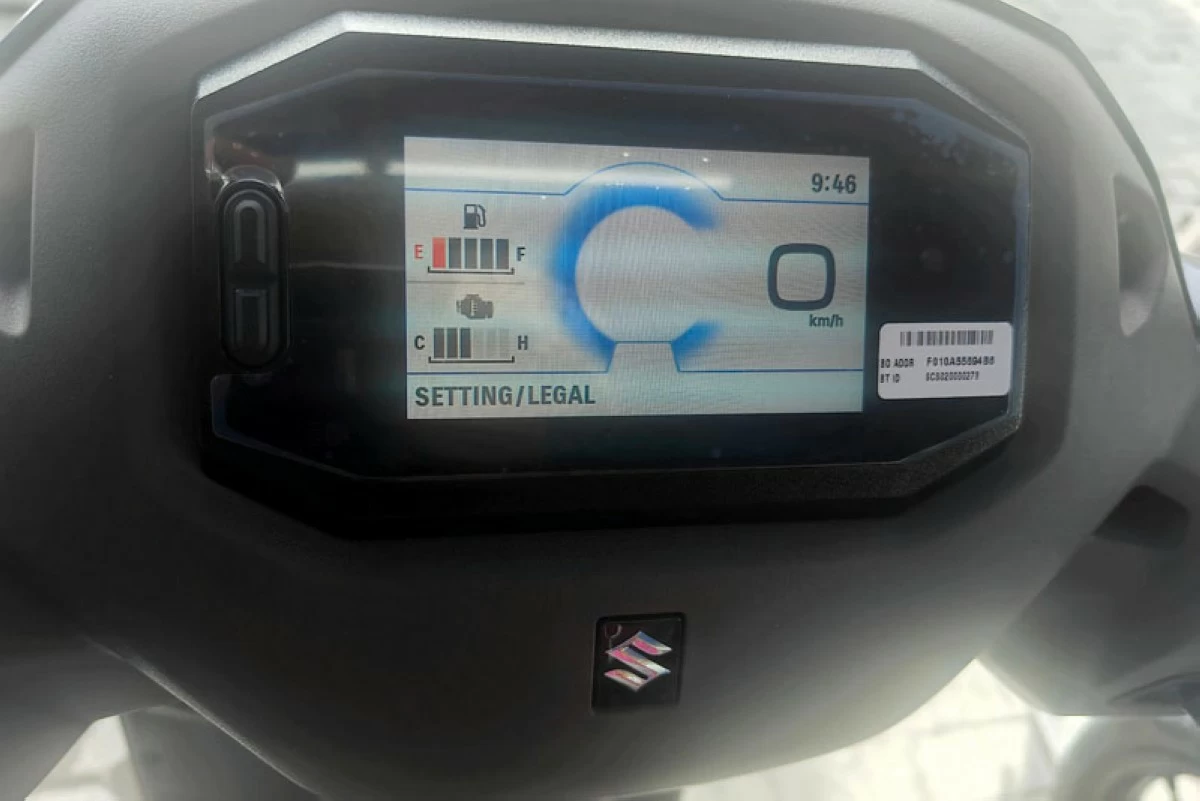
Digital instrument panel of the Access Ride Connect Edition.
Riding can be as safe or as dangerous as you make it. It takes a lot more concentration to balance, brake and turn than your average car. As such, it’s even more important to avoid distractions while driving like taking calls or listening to music. So if you want to get home, always make yourself visible, take fewer risks, ride slower, don’t squeeze into every gap you see, and brake early.
This goes without saying that motorcycles and alcohol do not mix. After all, balance is an integral part of riding a motorcycle and the smallest amounts of alcohol can affect it. No more ‘5-thirsty’, ‘one-for-the-road’, or ‘just-one-beer’ for you.
Conclusion
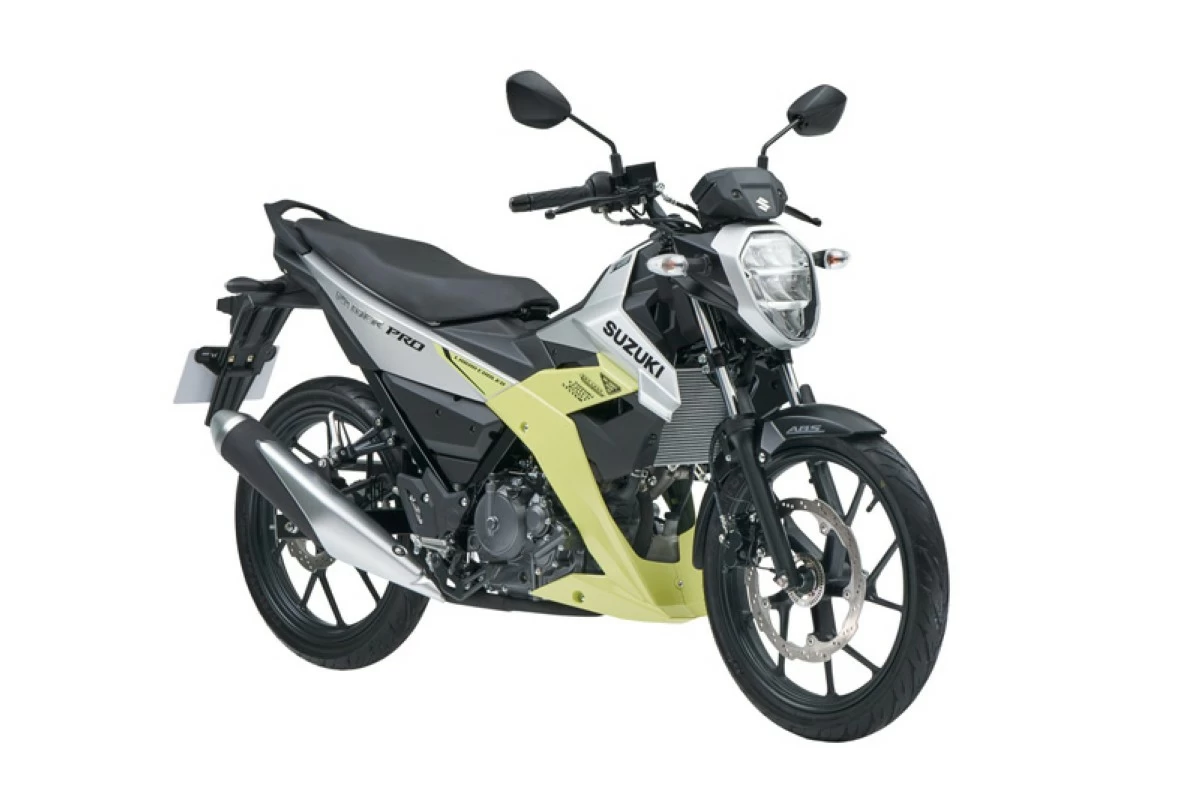
Granted, commuting with a motorcycle can save you a lot of time and money. Yet, it’s not without its own share of pitfalls and disadvantages.
It’s a lot easier to get into an accident and be injured on a motorcycle, yet so long as you’re well protected, and are a cautious rider, it can be mitigated somewhat
In spite all of these dangers, commuting on a motorcycle is still rewarding, be it in riding itself or the savings you stand to benefit from. I recommend you at least try it once. I'll leave it to you to weigh whether it's worth the shift or not.