







DTI: Price hikes loom for select goods by mid-April


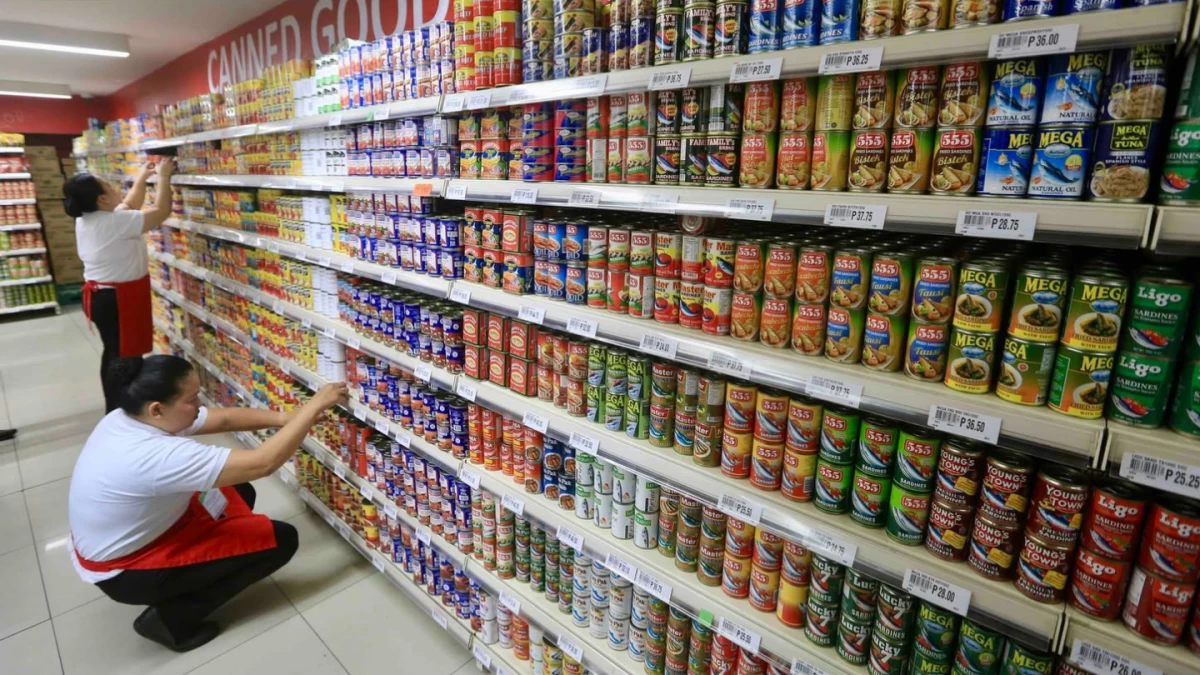
Consumers may need to brace for price increases on certain basic goods by mid-April, as manufacturers’ commitment to defer adjustments for 30 days is set to expire, according to the Department of Trade and Industry (DTI).
During a market monitoring on Tuesday, March 31, Trade Secretary Cristina Roque said prices of basic necessities and prime commodities (BNPCs) remain stable and are expected to stay at their current levels until April 16.
“[After April 16], we can expect some price increase but not for all,” she said.
Roque added that she has secured the commitment of BNPC manufacturers to hold off on increases until April 16 to ensure price stability amid rising fuel prices. These companies have pledged to absorb current logistics and inventory pressures, according to the DTI.
With the impending price increases, Roque said she will continue discussions with manufacturers to determine which specific products will be covered by the adjustments. However, some manufacturers have already informed the DTI that they will not implement price adjustments until the end of next month, while others will hold off until the end of May.
“So, for now, there is no need to panic, there is no need to worry because we have a lot of supplies and there is no price increases for [BNPCs] until April 16,” said Roque.
Local manufacturers have assured the government that supply is sufficient, with stocks expected to last between 60 to 90 days. Roque added that supermarkets and retailers also have enough supply.
The DTI has jurisdiction over 726 variants of essential products, of which 196 stock keeping units (SKUs) have a suggested retail price (SRP). These include canned sardines, canned meat, coffee, processed milk, instant noodles, condiments, laundry soap, toilet soap, candles, salt, batteries, bottled water, and bread.
Earlier, Roque stressed that the government will not tolerate hoarding and profiteering, especially as fuel prices remain elevated due to the ongoing conflict in the Middle East. She said violators face lengthy imprisonment and hefty fines, with those found guilty of illegal price manipulation facing up to 15 years in prison and fines of up to ₱2 million.