






Manila Bulletin
 Philippines
National
DepEd closes SY 2025–2026 with tribute to teachers, push for education reforms
Philippines
National
DepEd closes SY 2025–2026 with tribute to teachers, push for education reforms
Philippines
National
DepEd closes SY 2025–2026 with tribute to teachers, push for education reforms
DepEd closes SY 2025–2026 with tribute to teachers, push for education reforms
Published Mar 31, 2026 05:01 pm


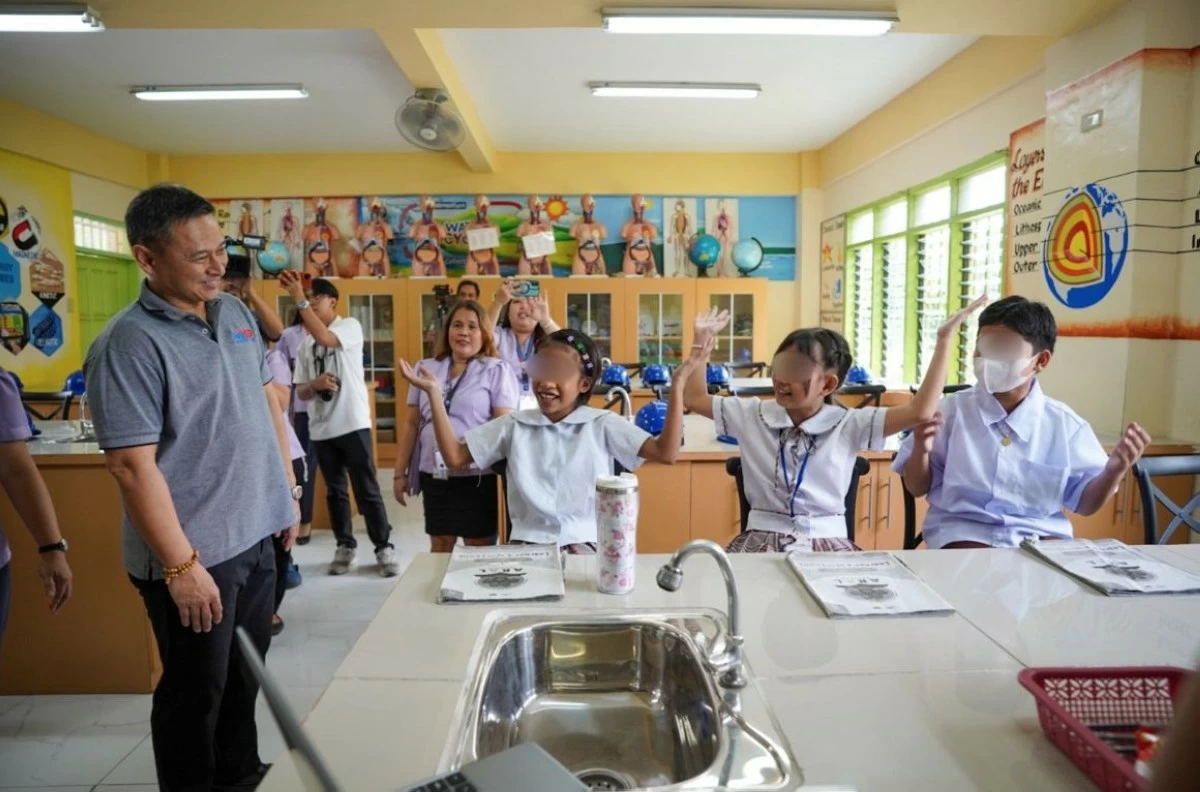
The Department of Education (DepEd) closes School Year 2025–2026 by honoring Filipino teachers and celebrating student excellence, while highlighting reforms to strengthen education quality and inclusivity nationwide. (DepEd photo)
As School Year (SY) 2025–2026 officially closed on Tuesday, March 31, the Department of Education (DepEd) paid tribute to Filipino teachers nationwide—highlighting student achievements and reaffirming its commitment to improving educational quality and inclusivity.
In a statement, DepEd Secretary Sonny Angara emphasized that teachers remain at the core of efforts to strengthen the country’s education system, describing them as silent heroes shaping the nation’s future.
“Sa ating minamahal na mga guro sa bawat sulok ng bansa, nais ko kayong batiin at pasalamatan para sa inyong tiyaga, malasakit, at tahimik na kabayanihan sa loob ng ating mga silid-aralan (To our beloved teachers in every corner of the country, I would like to greet and thank you for your perseverance, compassion, and quiet heroism inside our classrooms),” Angara said.
Teacher support, policy reforms take center stage
Over the past several months, DepEd leadership conducted nationwide school visits and consultations, engaging directly with teachers and school heads to address longstanding concerns in the education sector.
These engagements resulted in policy adjustments, including improvements in classroom observation systems, clearer guidelines on overtime and overload compensation, and initiatives to reduce administrative workload—key issues that have long affected teacher welfare.
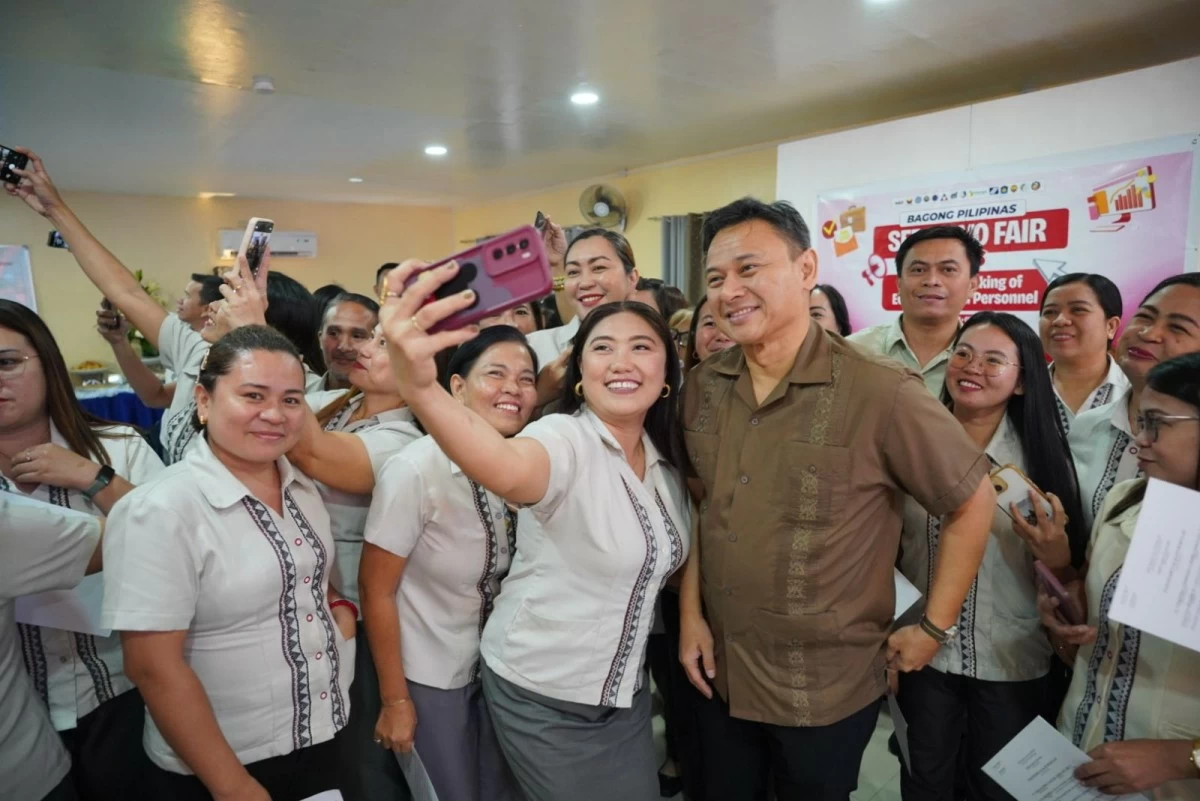
DepEd Secretary Sonny Angara reaffirmed the agency’s commitment to improving teacher welfare through initiatives like the Expanded Career Progression System, while highlighting learners’ diverse achievements nationwide. (DepEd photo)
Angara noted that, under the leadership of Ferdinand R. Marcos Jr., the government is committed to enhancing support systems for educators.
DepEd has also expanded concrete interventions, such as the distribution of laptops and the upgrading of learning resources, alongside the rollout of the Expanded Career Progression System.
This initiative is designed to provide clearer promotion pathways, with DepEd targeting up to 100,000 teacher and school head promotions before the end of 2026.
“Titiyakin natin na ang mga gurong humuhubog sa kinabukasan ng ating bansa ay nabibigyan din ng pagkakataong umunlad at magkaroon ng mas magandang buhay (We will ensure that the teachers who are shaping the future of our nation are also given the opportunity to grow and to have a better life),” Angara emphasized.
As the academic year concludes, DepEd said teachers are set to begin their month-long break starting April 1, offering a much-needed period of rest following months of classroom instruction and end-of-school-year activities.
Student excellence reflects system potential
Alongside honoring educators, DepEd spotlighted inspiring stories of Filipino learners whose achievements reflect the potential of a strengthened education system.
Among them is John Michael “MJ” Camilosa Limbaga of Agusan National High School in Butuan City, who gained widespread attention after receiving more than 40 awards during a school recognition ceremony.
Limbaga’s accolades include distinctions from national and international competitions in Mathematics, Science, and English—demonstrating the level of academic excellence DepEd aims to cultivate nationwide.
The department said such achievements underscore the importance of sustained investments in teaching quality, learner support systems, and expanded opportunities for students across all regions.
Inclusive education gains ground
DepEd also highlighted success stories from learners under the Alternative Learning System (ALS), Special Education (SPED), and Madrasah education programs—groups that often face structural and socio-economic barriers to education.
Graduates from these programs have gone on to pursue higher education, secure meaningful employment, and contribute to their communities, reinforcing the importance of inclusive and accessible learning pathways.
Moving forward with dignity and hope
As SY 2025–2026 comes to a close, Angara reiterated the administration’s commitment to building a more responsive and equitable education system—one that empowers both teachers and learners.
“The future of Philippine education is being shaped every day in your classrooms,” Angara said. “This administration will continue working so that every Filipino teacher can teach with dignity, support, and hope. Together, we will move our schools—and our nation—forward,” he added.
DepEd has set end-of-school-year (EOSY) rites in nearly 48,000 public schools on March 30 or 31, directing schools to keep ceremonies simple, meaningful, and free from unnecessary expenses amid rising fuel prices due to the Middle East conflict.
The theme, “Filipino Graduates: Prepared to Lead with Competence and Character,” DepEd said, aligns with the directive of President Marcos to nurture learners who are not only academically prepared but also guided by integrity and a sense of responsibility to serve others.
DepEd said this SY’s graduating batch includes around 1.9 million Grade 6 learners and 1.8 million Grade 12 learners from both public and private schools.
READ: