








At A Glance
- Despite allegations it is AI-generated, 'Hawak Mo ang Beat' creator DJ Mogo insists the song is entirely organic.
When a song goes viral, it usually rides on a familiar formula: a catchy hook, a dance challenge, and a chorus you can shout in karaoke.
All are present in “Hawak Mo ang Beat,” a tune that has since captured audiences from Batanes to Jolo.
But it didn’t just get people moving, it got them arguing, too.
Apparently, many believe it is AI-generated.
Its creator, French DJ and producer DJ Mogo has since come out to deny this.
“Zero AI. 100% authentic. 100% love for the Philippines,” he declared via GMA News.
Despite his firm denial, the internet isn’t entirely convinced.
Listeners have pointed to the track’s polished, almost mechanical vocal quality, its looping structure, and even its visual branding, often paired with AI-style artwork, as possible signs of generative tools at work.
It’s understandable. In an era where apps like Suno and Udio can produce full songs in seconds, skepticism comes almost automatically.
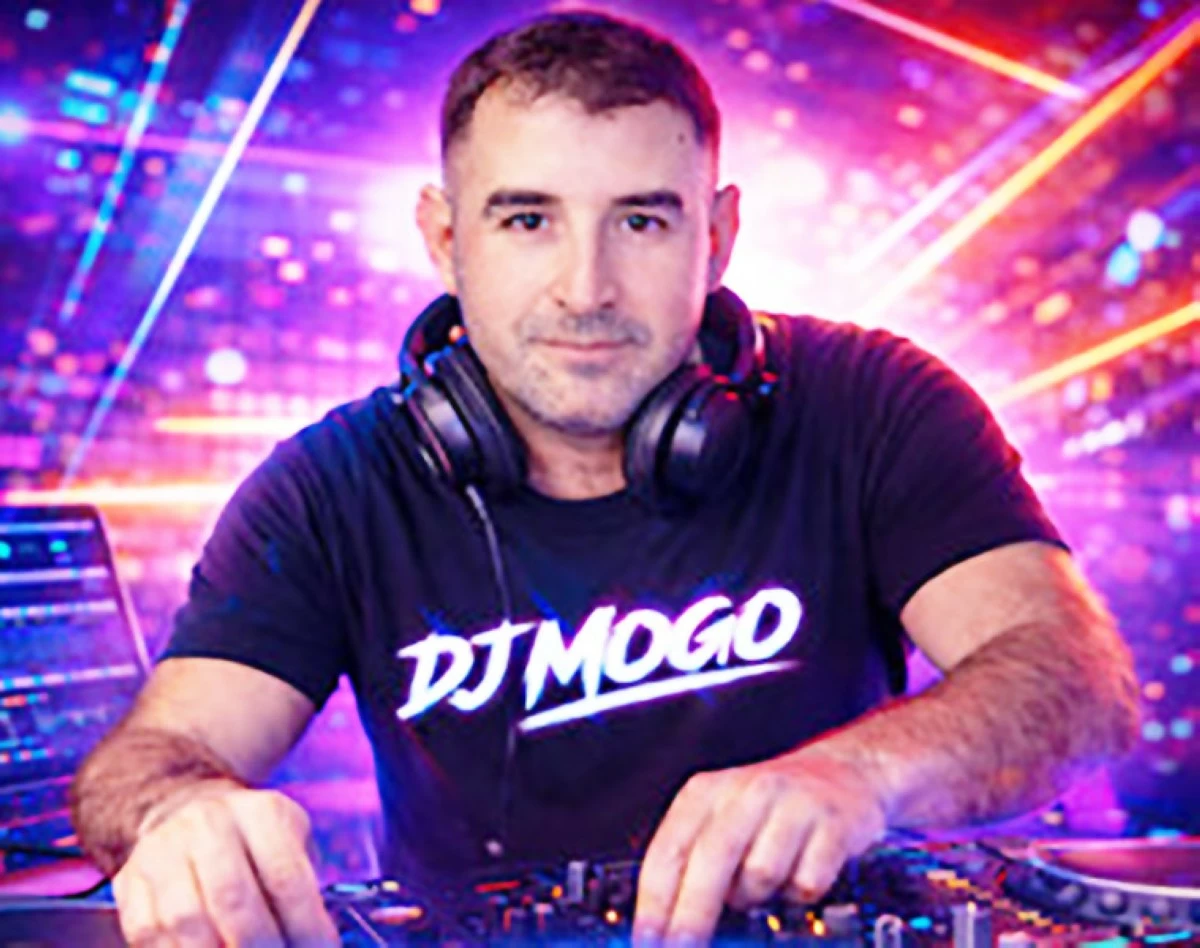
Mogo, however, insists the process was entirely organic. Using FL Studio and collaborating closely with his Visayan wife on lyrics, he says the track was built from scratch, inspired by the “light, bouncy, joyful” energy of Visayan cha-cha and another viral hit from the past “Budots.”
“I just want people to focus on the music itself,” he said. “If you like the beat and the energy, then tara, let’s dance.”
The controversy has opened a larger conversation within the music industry, one that artists can no longer ignore.
Among those weighing in is Pablo of SB19, who acknowledges AI as a powerful tool that should be used within reason.
“Not at the expense of artists’ identity,” he stressed, warning against systems that scrape voices, styles, and compositions without consent.
The conversation has also reached industry bodies like Filipino Society of Composers Authors and Publishers (FILSCAP), which is urging creators to use AI responsibly.
According to FILSCAP General Counsel Ivan Viktor Mendez, the key issue is licensing. AI-generated or not, any material used in music creation must be properly authorized. Otherwise, it risks crossing into infringement territory.
In the end, the debate sparked by “Hawak Mo ang Beat” is simply about trust.
Can audiences still tell what’s human-made? Does it matter if they can’t? And how should artists navigate a landscape where machines can mimic creativity with uncanny precision?
For now, Mogo stands firm: his hit is real, his process authentic, his intentions heartfelt.
But the divided reaction proves one thing, the line between human and machine in music is getting harder to hear.