






Manila Bulletin
 Business
Trade & Industry
Top business coalitions vow energy shift as fuel costs surge
Business
Trade & Industry
Top business coalitions vow energy shift as fuel costs surge
Business
Trade & Industry
Top business coalitions vow energy shift as fuel costs surge
Top business coalitions vow energy shift as fuel costs surge
Published Mar 30, 2026 02:48 pm


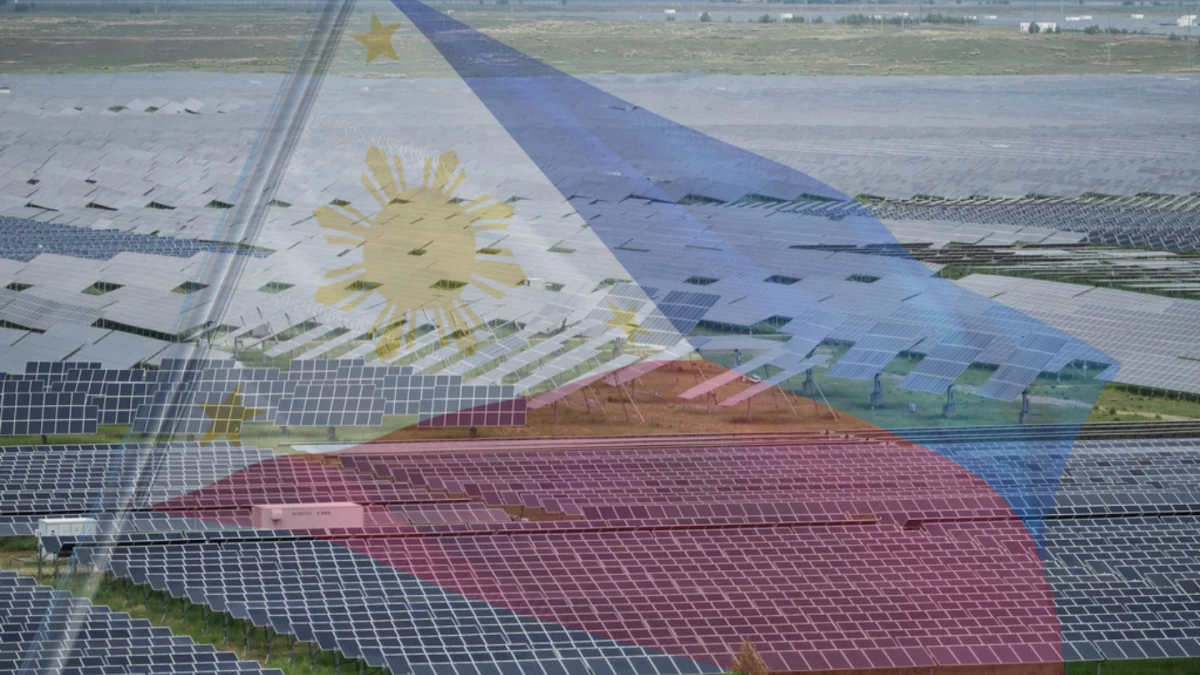
Philippines’ most influential business coalitions pledged on Monday, March 30, to ramp up investments in renewable energy and implement aggressive conservation measures as the government scrambles to insulate the economy from the global oil shock triggered by escalating Middle East hostilities.
In a joint statement, the Management Association of the Philippines, Makati Business Club, Philippine Chamber of Commerce and Industry, Federation of Philippine Industries, and Federation of Filipino-Chinese Chambers of Commerce and Industry Inc. said they are open to investing in alternative energy solutions, particularly solar power, to accelerate their adoption in business operations nationwide.
The groups said this measure would reduce the country’s dependence on imported fuel, which has been under severe pressure in recent weeks due to supply disruptions in the Middle East, from where it sources 98 percent of its crude oil imports.
With the country recently declared under a state of national energy emergency, the business groups said they are committed to helping the government respond to the crisis through a whole-of-nation approach.
Apart from investing in renewable energy, they vowed to implement “aggressive energy-saving measures” across corporate and industrial facilities.
This would be complemented by the adoption of flexible work models to minimize fuel use for transportation, helping the country better manage its thinning oil supply.
Further, the groups said they are ready to promote a culture of conservation to encourage their workforce to embrace sustainable energy habits both at work and at home.
These initiatives were presented before Finance Secretary Frederick Go during a meeting with key members of the private sector to explore collaborative measures to protect both consumers and the economy.
“We thank Secretary Go for this vital collaboration and reaffirm our commitment to a continuing dialogue with the government to protect Filipino consumers and ensure economic resilience,” the group said.
“We recognize that volatile global oil prices pose serious threats to our nation’s economic stability and the welfare of our people,” they added.
On the part of the government, the groups said Go has assured them that it will establish oil procurement partnerships with non-traditional partners such as Russia, Indonesia, and India to ensure there is enough fuel supply for the country.
Go, a member of the Monetary Board, reiterated that interest rates will remain stable while non-fuel costs would be reduced to prevent surges in the prices of basic commodities.
Further, he also told the business groups that targeted subsidies will be granted to marginalized transport groups like jeepney and bus operators to cushion the impact of rising fuel costs.
This is meant to ensure that they can still cope with the larger share of fuel in their daily spending “without triggering fare increases.”
The groups said the government has also signaled its intent to promote local industries and locally made goods to further protect jobs and strengthen the resilience of local industries.