






 Philippines
National
Senate bill seeks to put fuel products under gov't price control
Philippines
National
Senate bill seeks to put fuel products under gov't price control
Senate bill seeks to put fuel products under gov't price control


At A Glance
- A bill seeking to classify gasoline, diesel and other petroleum products as basic necessities, making them under the government's price control mechanism has been filed in the Senate.
A bill seeking to classify gasoline, diesel and other petroleum products as basic necessities, making them under the government’s price control mechanism has been filed in the Senate.
Sen. Paolo “Bam” Aquino IV filed Senate Bill No. 2011, saying the proposed law will address the gap in Republic Act No. 7581 or the Price Act by including petroleum products among the basic necessities that may be subjected to a price ceiling during periods of national emergency.
Aquino noted that only liquefied petroleum gas and kerosene are considered basic necessities under the law, while gasoline, diesel and other petroleum products are not.
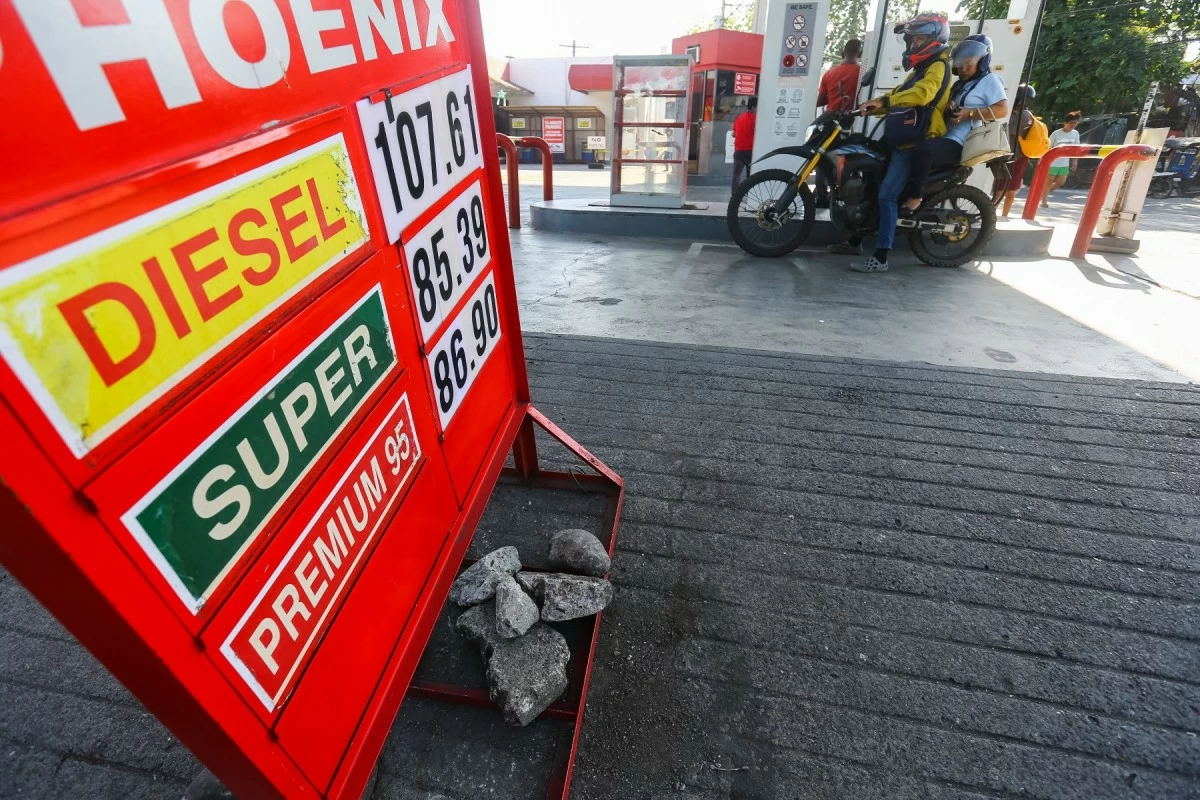
“The Philippines is in the midst of a fuel price crisis, and Filipino families are feeling the strain. Rising diesel and gasoline prices have pushed up transportation costs, food prices, and the cost of basic goods,” Aquino said.
“Across the country, workers, small business owners, farmers, and ordinary households are struggling to make ends meet,” he noted.
SB No. 2011 also extends the allowable period for price control on these products from 15 days to thirty 30 days, to ensure that government interventions remain effective amid sustained price increases.
“This proposal complements broader efforts to deliver targeted assistance, support workers and small businesses, and ensure the continuity of essential services during this period of uncertainty,” Aquino stressed.
Other than this proposal, the senator is also pushing for the suspension or removal of the 12-percent value-added tax (VAT) on fuel products.
Such a move can provide significant relief to Filipinos reeling from rising pump prices due to the Middle East crisis, the lawmaker stressed, adding that revisiting the collection of VAT on fuel can have a bigger impact on consumers and transport workers who are reeling from high fuel costs.
“With the current diesel price of P124 per liter, if we remove the 12 percent VAT and excise tax, its price will drop by almost twenty pesos per liter. This will be a big help to Filipinos,” he said.
“It’s a good thing to talk about, because the people are looking for immediate help. And the excise tax is one, but VAT actually will be a bigger subtraction in the pump price if we suspend it,” Aquino said during the Proactive Response and Oversight for Timely and Effective Crisis Strategy (Protect) Committee hearing.