







Peso tumbles to record ₱60.69 on energy risk
Markets 'emotional' on Middle East war
By Derco Rosal
Published Mar 30, 2026 04:15 pm


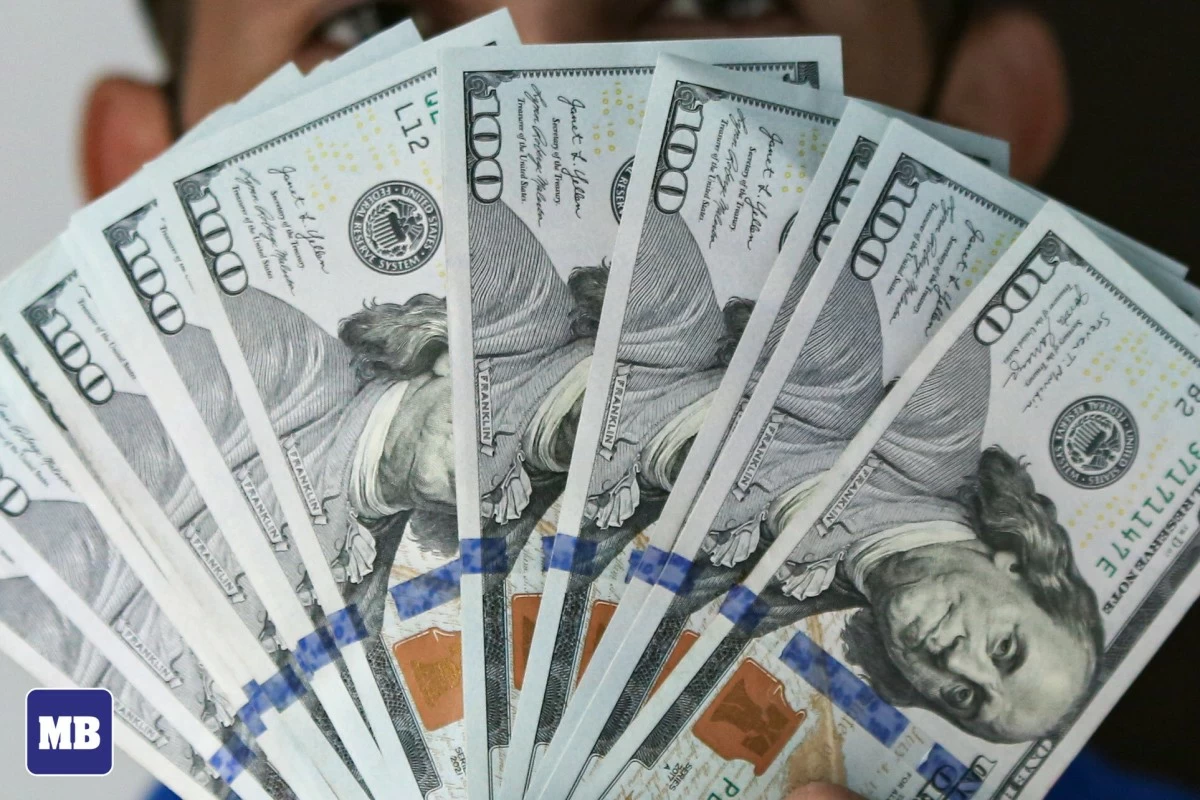
The peso tumbled to a fresh record low on Monday, March 30, extending the persistent slide as regional risk aversion and energy-related vulnerabilities weighed on the currency.
The peso depreciated by 14 centavos to close at ₱60.69 against the United States (US) dollar, surpassing the previous floor of ₱60.55 set on March 27.
Market activity intensified during the session, with total trading volume surging to $2.007 billion compared with $1.336 billion on Friday, according to data from the Bankers Association of the Philippines (BAP).
The local unit opened at ₱60.55 and fluctuated within a volatile range, hitting an intraday low of ₱60.84. The continued decline cements the peso’s position among the laggards in emerging markets, a trend highlighted by Thomas Mathews, head of Asia-Pacific markets at Capital Economics.
The currency has struggled to find a footing amid domestic trade imbalances and hawkish outlook for the greenback, which continues to pressure developing-nation assets.
Lloyd Chan, senior currency analyst at MUFG Global Markets Research, noted that the Philippines remains particularly susceptible to external shocks due to its status as a net energy importer.
The peso, alongside other oil-sensitive Asian currencies, is expected to face sustained headwinds as global energy markets grapple with volatility.
Chan warned that the currency is likely to underperform during periods of heightened risk aversion, citing the country’s exposure to persistent inflation and a widening current account deficit.
Reyes Tacandong & Co. senior adviser Jonathan Ravelas said the peso weakened further as markets are pricing in “a prolonged war,” adding that investors were “emotional” about their expectations.
According to a trader, the peso’s weakness could also be attributed to the sustained strength of the US dollar, alongside Philippine demand for oil. He added that “thin” liquidity is making exchange rate movements more extreme.
For this trader, breaching the ₱60:$1 level is “possible but not a straight line” as the market is “stretched.”
“Expect choppy trading around ₱60:$1–₱61:$1, not a clean breakout,” the trader added. Ravelas also said the US dollar–peso is likely to trade within the ₱60.6-to-₱60.9 range if the Middle East war prolongs.
Bangko Sentral ng Pilipinas (BSP) Governor Eli Remolona Jr. last week maintained a sanguine outlook on the currency’s slide, asserting that the current exchange rate does not yet warrant intervention.
The breach of the ₱60:$1 psychological threshold in recent weeks has fueled concerns over the pass-through effect on consumer prices.
While the central bank has previously signaled its readiness to manage excessive volatility, the sheer scale of dollar demand—evidenced by the jump in trading volume—suggests that importers and investors are moving aggressively to hedge their positions.
As the peso navigates these uncharted depths, the focus shifts to whether the BSP will intervene more forcefully to provide liquidity or allow market forces to dictate the currency’s path.