






Manila Bulletin
 Embassies & Foreign Affairs
Nordic Day highlights shared values and growing ties with PH
Embassies & Foreign Affairs
Nordic Day highlights shared values and growing ties with PH
Embassies & Foreign Affairs
Nordic Day highlights shared values and growing ties with PH
Nordic Day highlights shared values and growing ties with PH
Published Mar 30, 2026 11:26 am


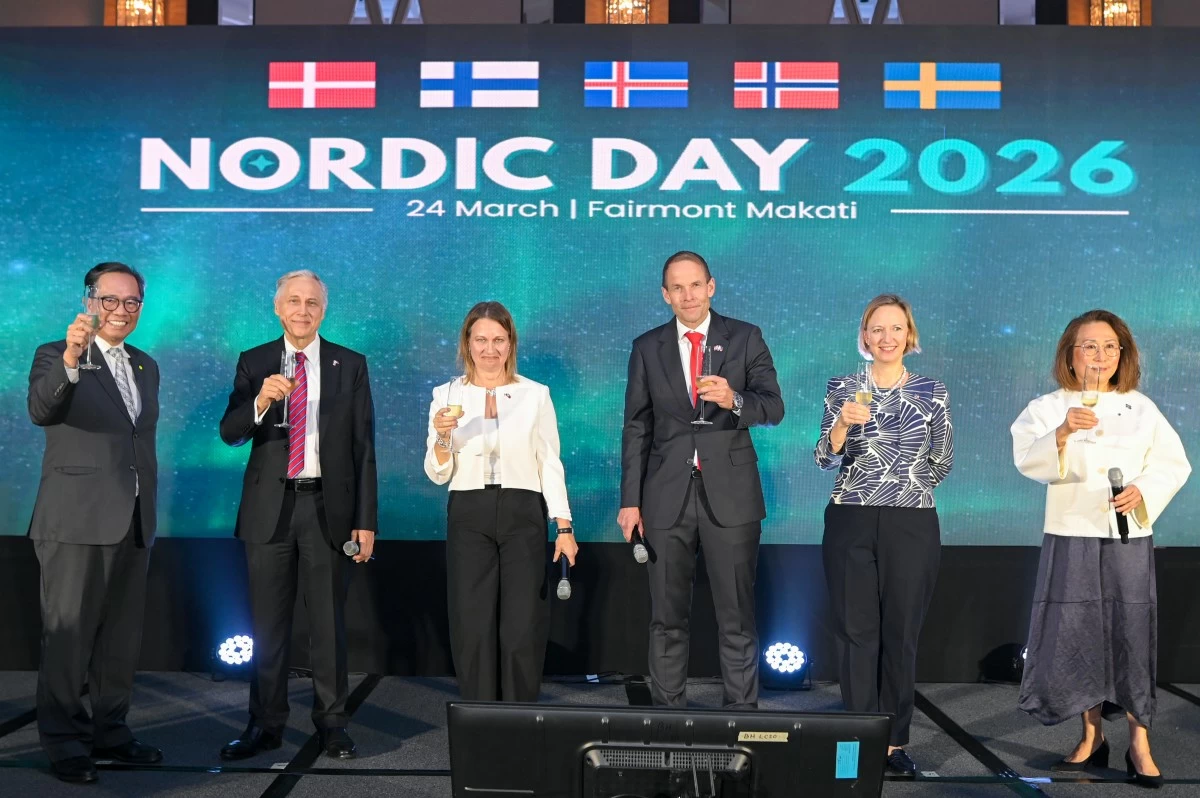
DFA Undersecretary for Policy Leo Herrera-Lim, Ambassador of Denmark Franz-Michael Mellbin, Ambassador of Finland Saija Nurminen, Ambassador of Norway, Christian Halaas Lyster, Ambassador of Sweden Anna Ferry, Honorary Consul General of Iceland in Manila Elizabeth Sy
At the Fairmont Manila ballroom on March 24, the Nordic countries marked their partnership with the Philippines through an evening that seamlessly brought diplomacy and culture together. Policy discussions shared space with Nordic cuisine, music, and a sense of familiarity between two regions that, at first glance, seem worlds apart.
Representing Denmark, Sweden, Norway, and Finland—alongside Iceland through its honorary consul—the Nordic ambassadors opened the celebration with a joint message that framed the relationship beyond trade and geography. At its core, they said, is a shared commitment to trust, equality, and inclusive growth.
The celebration also reflected a long-standing tradition of cooperation among the Nordic countries themselves. Often described as the world’s oldest regional political collaboration, Nordic cooperation brings together Denmark, Finland, Iceland, Norway, and Sweden, along with the Faroe Islands, Greenland, and Åland.
Formalized through the Helsinki Treaty in 1962, this framework has evolved into one of the most cohesive regional partnerships today, anchored by the Nordic Council of Ministers, which coordinates intergovernmental efforts across the region.
That spirit of collaboration extends beyond Europe. In Manila, Nordic Day carried a forward-looking focus on creativity and innovation, highlighting how the region’s collective strengths—from sustainability to technology—align with the Philippines’ own priorities for economic transformation and resilience.
“The Nordic family represents eight flags in five countries, yet we are united by something deeper—trust,” said Franz-Michael Skjold Mellbin, Ambassador of Denmark. That trust, he noted, is reflected in governance models that prioritize transparency, social welfare, and equal opportunity. It is also what underpins the Nordic countries’ engagement with partners like the Philippines.
Saija Nurminen, Ambassador of Finland, placed the relationship in a broader global context. She pointed to the need for sustained cooperation at a time of growing uncertainty. “Peace is not a gift granted, but a right upheld—and too often a struggle fought,” she said.
A partnership shaped by people
Economic ties were a recurring theme, but the emphasis remained on people. Christian Lyster, Ambassador of Norway, noted that Nordic companies employ thousands of Filipinos across sectors, from maritime industries to engineering and technology. These partnerships, he said, translate into long-term opportunities and skills development.
Swedish Ambassador Anna Ferry underscored the role of individuals in sustaining these ties. Students, professionals, and families continue to build connections that extend beyond formal diplomacy.
In his keynote address, Department of Foreign Affairs Undersecretary Leo Herrera-Lim offered a candid reflection on the relationship.
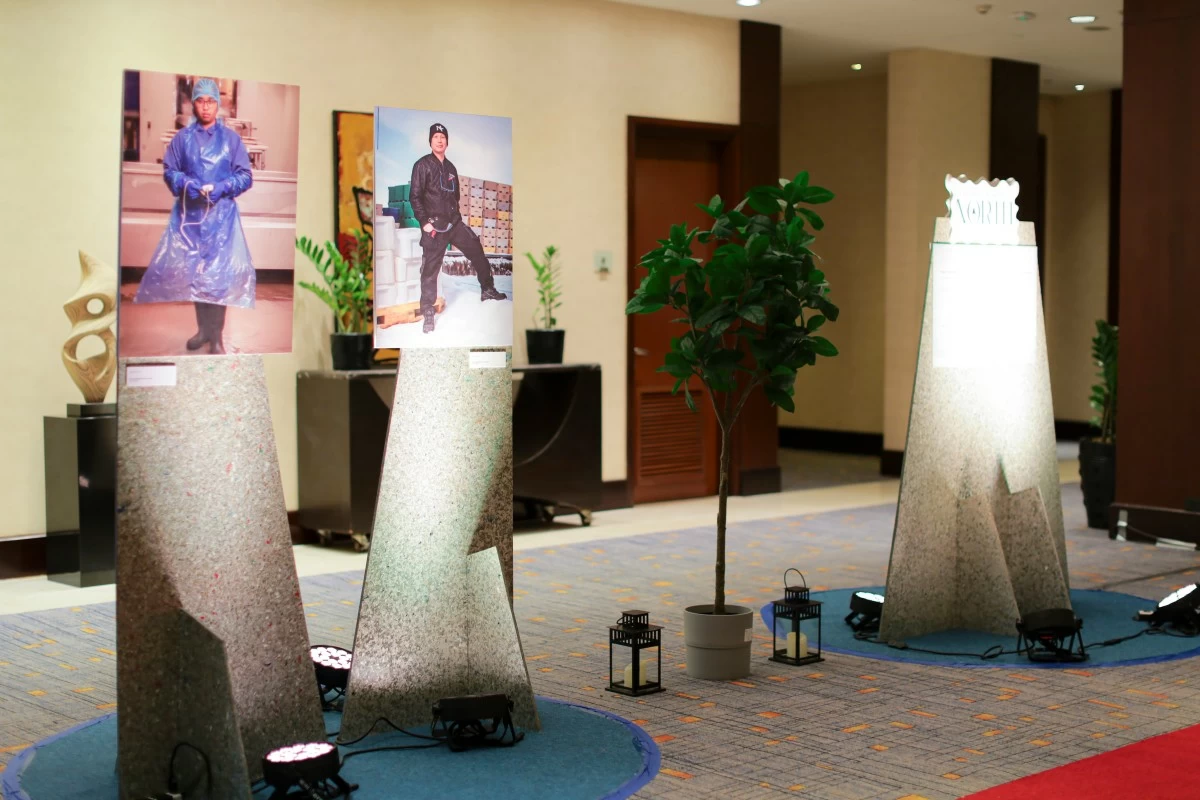
For the celebration, curated photographs from Nordic collections "Illortaajaqqakkut" (Our Cousins) and "Longyearbyen, Svalbard" graced the hallway of Fairmont Makati leading up to the ballroom
He opened with a touch of humor on cultural differences—delivered with his usual wit—before turning to a more substantive point. The similarities between the Nordic countries and the Philippines, he said, are rooted in shared values
“The Nordic nations stand for something that the Philippines deeply admires and shares—the conviction that human dignity, equality, and the common good are not luxuries… but the foundation upon which prosperity must be built,” he said.
He drew a parallel between Nordic social models and the Filipino concept of malasakit. Both reflect a sense of responsibility toward others and a commitment to collective well-being. This alignment is evident across sectors. Nordic shipping companies operate in Philippine waters. Swedish firms contribute to infrastructure projects. Norwegian expertise supports aquaculture. Finnish education technologies are finding their way into classrooms.
Looking ahead, Herrera-Lim pointed to the green economy as a key area for collaboration. The Philippines’ climate challenges, he said, align with Nordic strengths in renewable energy and sustainable solutions.
The evening’s program reflected this mix of policy and culture.
Guests were served Nordic dishes that emphasized seasonal ingredients and straightforward preparation. The music moved between traditional Nordic sounds and globally recognized pop tracks. Songs by ABBA were met with instant recognition, drawing guests into the atmosphere of the celebration.
These elements did more than entertain. They offered a point of entry into Nordic culture—one that felt accessible, familiar, and shared.
During her toast, Iceland’s Honorary Consul General Elizabeth Sy pointed to a recurring theme associated with the Nordic region.
“The recently released World Happiness Report has once again placed all five Nordic countries in the global top 10,” she said, citing a strong emphasis on equality, trust, and social cohesion. These are the same principles that continue to shape Nordic engagement with the Philippines.
Throughout the evening, the message remained consistent. Distance has never defined the relationship between the Nordics and the Philippines. Shared values have—and they continue to shape how that partnership grows.