






 Business
Trade & Industry
Middle East conflict threatens Philippine export gains—Oxford Economics
Business
Trade & Industry
Middle East conflict threatens Philippine export gains—Oxford Economics
Middle East conflict threatens Philippine export gains—Oxford Economics


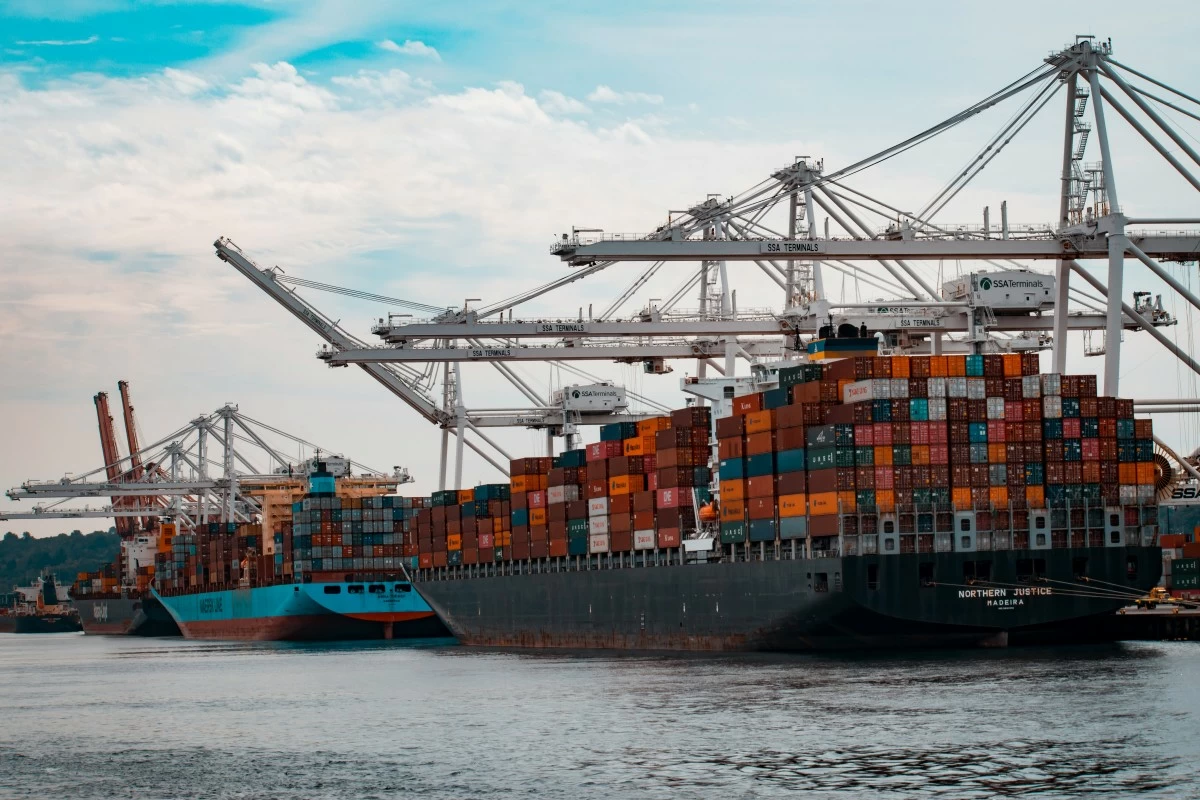
The global oil price and supply shock caused by the war in the Middle East may reverse early 2026 gains by Philippine exporters, according to think tank Oxford Economics.
In a report on Monday, March 30, Oxford Economics senior economist Sheana Yue said that while Asian goods exports started 2026 strongly after Lunar New Year disruptions, softer global demand is expected to slow volume growth.
“The Middle East conflict threatens to derail momentum via fuel shortages and rising freight costs, with the Philippines and Vietnam most exposed,” Oxford Economics said.
In particular, the think tank deems the Philippines and Vietnam vulnerable because their trade-heavy manufacturing and logistics sectors depend heavily on fuel from the Middle East.
For Oxford Economics, Asia’s trade outlook is weakening as the war and the Strait of Hormuz closure disrupt crude supplies, causing shortages of shipping and jet fuel vital for regional logistics.
The think tank warned that prolonged fuel shortfalls threaten regional industrial production, and weaker global demand suggests real export volumes will decline even as nominal economic growth appears supported by higher prices.
The Philippine Statistics Authority (PSA) reported last week that merchandise exports grew eight percent year-on-year to $7.33 billion in February, with freight-on-board (FOB) values exceeding both a year ago and the previous month, although the growth rate was slower.
End-February goods exports increased 8.3 percent to $14.47 billion—the highest two-month sales on record, according to the Department of Trade and Industry (DTI)—from $13.36 billion a year ago.
Despite these gains through February, Manila Bulletin reported earlier that exporters are bracing for the impact of soaring jet fuel prices, especially on electronics—the country’s top export commodity, which is mostly transported by air to overseas markets.
PSA data showed that Philippine exports of electronic products grew 20.5 percent year-on-year to $4.23 billion in February, accounting for 57.7 percent of total export sales for the month. End-February electronics exports rose by a fifth to $8.24 billion.
In particular, Semiconductor and Electronics Industries in the Philippines Foundation Inc. (SEIPI) president Danilo Lachica told Manila Bulletin that escalating conflict in the Middle East could disrupt cargo flights, threatening semiconductor exports that rely on just-in-time (JIT) delivery.
Export industry leaders warn that grounded planes—flagged by no less than President Ferdinand R. Marcos Jr. last week—could break global supply chains, halt overseas production, and lead to significant revenue losses.