






Manila Bulletin
 Opinion
From crisis to community power: How Filipinos can respond to the energy emergency
Opinion
From crisis to community power: How Filipinos can respond to the energy emergency
Opinion
From crisis to community power: How Filipinos can respond to the energy emergency
From crisis to community power: How Filipinos can respond to the energy emergency
Published Mar 30, 2026 12:05 am
|
Updated Mar 29, 2026 03:54 pm


FROM THE MARGINS
President Ferdinand Marcos Jr.’s recent declaration of a national state of energy emergency is both a warning and a call to action. Triggered by escalating hostilities in the Middle East, the order reflects a stark reality: the Philippines — heavily dependent on imported fuel — faces an “imminent danger” to its energy supply, with reserves estimated to last only a matter of weeks.
Global tensions have once again made their way into Filipino homes — not as distant headlines, but as rising fuel prices, higher electricity bills, and increased costs of goods and transportation. For millions of ordinary Filipinos, especially those in vulnerable communities, the energy crisis is not abstract. It is immediate, personal, and deeply disruptive.
Yet, as history has shown, crises can also reveal the quiet strength of communities. The government, the private sector, including industries, microfinance institutions (MFIs) and social development organizations, can work together towards increasing people’s resilience.
The real cost of energy insecurity
The country’s reliance on imported oil makes it particularly exposed to global supply shocks. As the global conflict threatens key routes like the Strait of Hormuz, fuel prices surge, triggering inflation across sectors.
For microentrepreneurs — jeepney drivers, sari-sari store owners, market vendors and others — this translates to shrinking margins and difficult trade-offs. A tricycle operator, for instance, may have to choose between buying fuel or bringing home enough income for the day. A small eatery may reduce portions or raise prices, risking customer loss.
These pressures ripple outward. When small businesses struggle, local economies slow. When incomes fall, families cut back on essentials, including education and nutrition.
Microfinance as a shock absorber
This is where microfinance institutions (MFIs) play a critical role — not just as lenders, but as partners in resilience.
MFIs can offer loan products for households to acquire solar appliances and alternative energy sources. They can provide emergency liquidity, allowing clients to sustain operations despite rising costs. Flexible repayment schemes, and bridge financing can help prevent business closures and keep livelihoods intact.
But beyond financial support, MFIs can also serve as channels for information and innovation. Through regular center meetings and community engagement, they can promote practical energy-saving practices — small steps that, collectively, make a significant difference.
Practical ways
communities can respond
The energy emergency calls not only for government intervention but for grassroots action. Ordinary Filipinos, especially within microfinance networks, can take meaningful steps to cope and adapt:
1. Reduce and reuse energy wisely
Simple behavioral changes, like consolidating trips, switching to energy-efficient lighting, unplugging unused appliances and others, can reduce daily expenses. Communities can organize shared transport or delivery systems to minimize fuel use.
2. Shift to alternative livelihood practices
Microentrepreneurs can explore less energy-intensive business models. For example, food vendors may prioritize products that require less cooking time or fuel. Others may adopt digital tools to reduce the need for physical travel.
3. Strengthen community-based solutions
Bayanihan remains one of the Philippines’ greatest strengths. Group purchasing of fuel or supplies can lower costs. Shared storage, cooperative delivery systems, or rotating work schedules can also help communities stretch limited resources.
4. Invest in small-scale renewable solutions
While large-scale energy transitions take time, small steps — such as solar-powered lights or charging stations — can provide immediate relief. MFIs can support these investments through targeted loan products, making clean energy more accessible to low-income households.
5. Build financial buffers
Savings mobilization is more important than ever. Even small, regular contributions can help families weather sudden increases in expenses. MFIs can encourage this by promoting savings and microinsurance products, like business interruption insurance.
Turning vulnerability
into resilience
While national policies will play a crucial role in addressing the current crisis, community-level resilience is equally vital.
Microfinance clients are not just beneficiaries. They are economic actors, innovators, and community leaders. With the right support, they can adapt quickly, find creative solutions, and help stabilize local economies in uncertain times.
MFIs, for their part, must continue evolving — from providers of credit to enablers of resilience. By integrating financial services with capacity-building, climate awareness, and energy-conscious practices, they can help communities navigate not just this crisis, but future ones as well.
A shared responsibility
The declaration of a national energy emergency is a reminder that global events can reshape local realities overnight. But it is also a call to collective action.
Government interventions — fuel subsidies, conservation measures, and supply negotiations — are essential. But lasting resilience will depend on how communities respond on the ground.
In barangays across the country, in weekly center meetings of microfinance groups, and in the daily decisions of ordinary Filipinos, the foundations of that resilience are already being built.
The energy crisis may have come from afar. But the response — resourceful, community-driven, and deeply Filipino — can begin at home.
* * *
“Energy flows where attention goes.” – Michael Beckwith
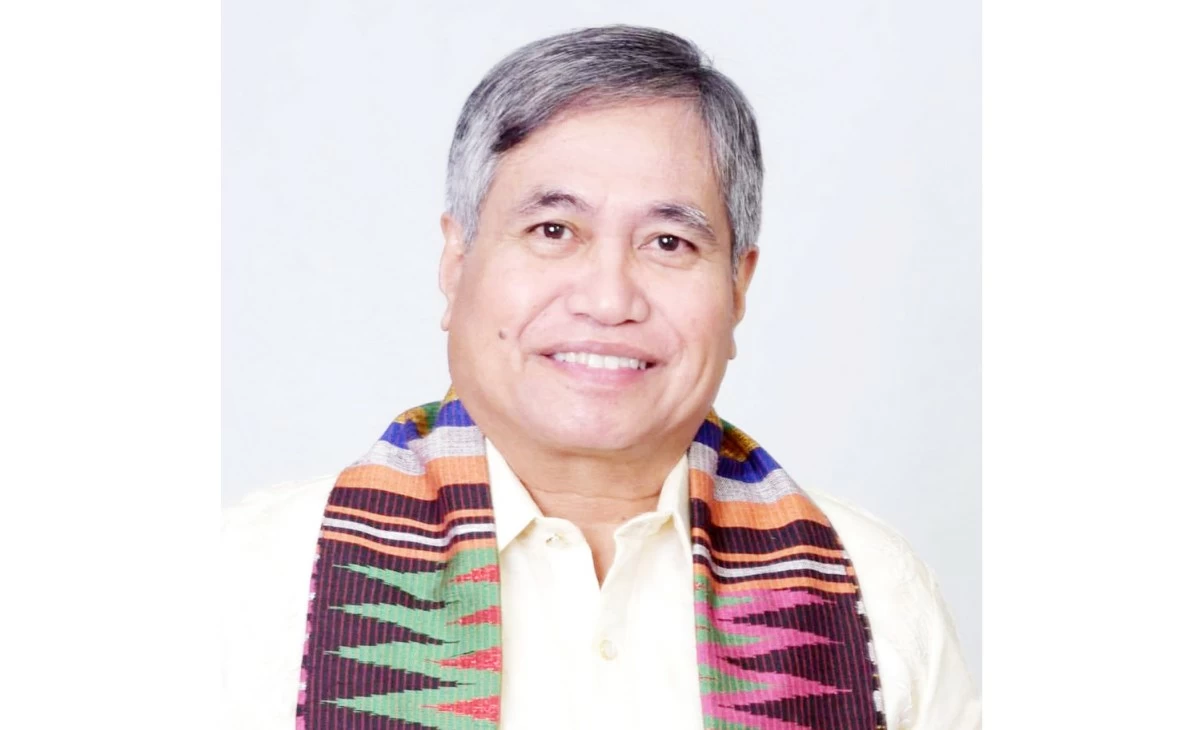
(Dr. Jaime Aristotle B. Alip is a poverty eradication advocate. He is the founder of the Center for Agriculture and Rural Development Mutually-Reinforcing Institutions (CARD MRI), a group of 23 organizations that provide social development services to 8 million economically-disadvantaged Filipinos and insure more than 27 million nationwide.)