







CAAP places all regional airports on high alert
Published Mar 30, 2026 01:44 pm


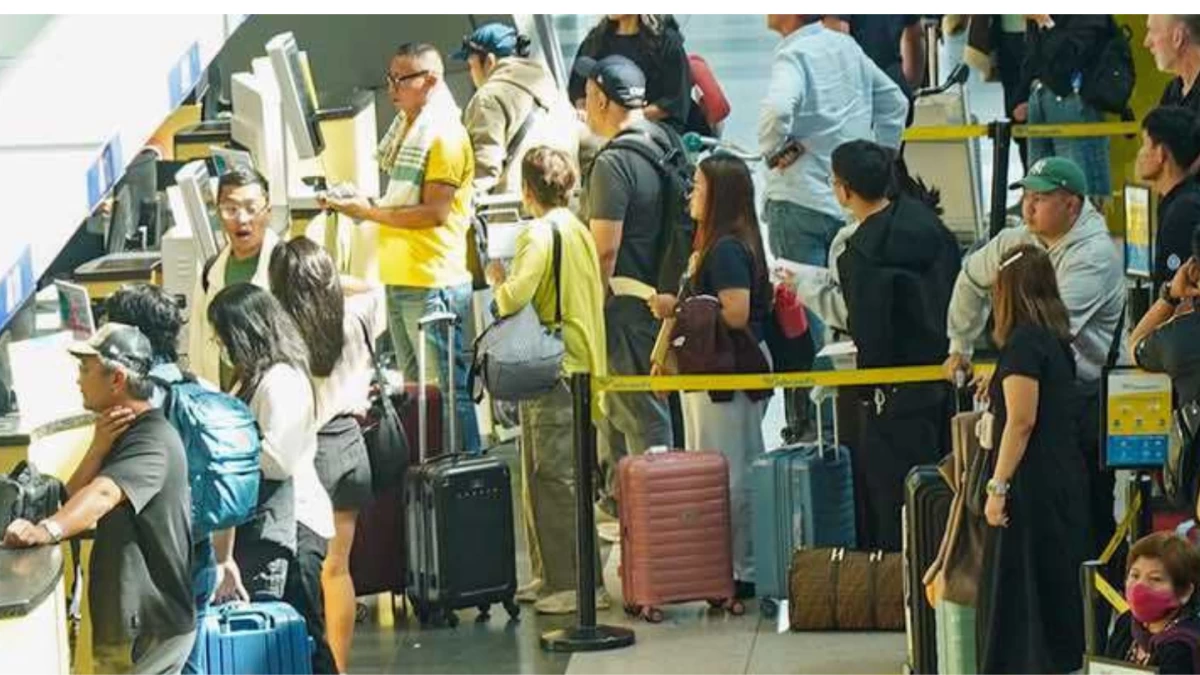
The Civil Aviation Authority of the Philippines (CAAP) has placed all 42 regional airports under its management on heightened alert for the Holy Week travel period as the agency prepares for a nearly nine percent surge in passenger traffic.
In a statement, CAAP said it expects passenger volume for this year’s Holy Week to reach 550,000 across CAAP-operated airports, compared to 505,511 passengers recorded during the same period last year.
With the anticipated surge in passenger demand, the agency has placed all 42 airports it manages on heightened alert since Saturday, March 28, and this alert will remain in effect until Sunday, April 5.
CAAP Director General Raul del Rosario has ordered all airport and area managers to implement heightened operational readiness measures to brace for increased passenger volumes during the travel period.
He said the measures include deploying additional personnel, tightening security protocols, and continuously monitoring passenger flow to safeguard and streamline airport operations nationwide.
In addition, help desks will be set up in some airports to assist passengers with travel-related concerns, in coordination with airlines and other government agencies, to reduce potential disruptions.
“We want to assure the public that all CAAP-operated airports are fully prepared to handle the surge in passenger volume, with measures in place to ensure safe, smooth, and convenient travel for all,” said Del Rosario.
CAAP’s heightened alert status excludes airports managed by the private sector, such as Clark International Airport, Mactan-Cebu International Airport, and Ninoy Aquino International Airport (NAIA).
New NAIA Infra Corp. (NNIC), which operates NAIA, said it expects the country’s primary gateway to increase its passenger volume this Holy Week by two percent to 1,353,265, from 1,326,730 passengers last year.
While demand remains strong, NNIC said this year’s growth in passenger traffic is slower than expected due to flight suspensions and operational challenges caused by the ongoing conflict in the Middle East.
The private operator has deployed additional personnel at check-in counters, immigration, and security screening areas, and has extended the hours of passenger assistance desks, while implementing real-time monitoring of terminal congestion to help manage the travel rush.
Both CAAP and NNIC are reminding the public to arrive at the airport early, check flight advisories, and prepare all travel documents in advance for a seamless travel experience.