






Manila Bulletin
 Lifestyle
Food
The Maya Kitchen partners with Featr to spotlight Filipino ingredients
Lifestyle
Food
The Maya Kitchen partners with Featr to spotlight Filipino ingredients
Lifestyle
Food
The Maya Kitchen partners with Featr to spotlight Filipino ingredients
The Maya Kitchen partners with Featr to spotlight Filipino ingredients
A revived Culinary Elite series brings chefs, storytellers, and heritage pantry staples back into focus
By MBrand
Published Mar 29, 2026 08:01 am


For many Filipinos, the kitchen begins with something simple. A box of hotcake mix, a first attempt at cooking, a quiet kind of confidence built over time.
For more than six decades, Maya has been part of that experience. Introduced in 1962, its hotcake mix became a staple in Filipino homes, shaping breakfasts, merienda, and early memories in the kitchen. Over time, the brand expanded into baking mixes, flour, and pantry essentials, growing alongside generations of home cooks.
Today, that legacy continues through The Maya Kitchen, its culinary center focused on teaching and promoting food education. This year, it returns to a familiar idea with a new direction, the revival of the Maya Kitchen Culinary Elite.
First introduced from 2010 to 2016, the Culinary Elite program brings together chefs and restaurateurs to share recipes, techniques, and perspectives. Its return places a stronger emphasis on Filipino ingredients, regional producers, and the stories behind them, while adapting these into forms that feel relevant to today’s kitchens.
“For decades, MAYA has been part of Filipino family traditions—from breakfast hotcakes to first baking experiences in the kitchen,” said Ernesto Fajardo, president of Liberty Commodities Corporation. “Reviving The Maya Kitchen Culinary Elite allows us to strengthen that legacy by working closely with chefs and storytellers who share our passion for promoting Filipino culinary education and innovation.”
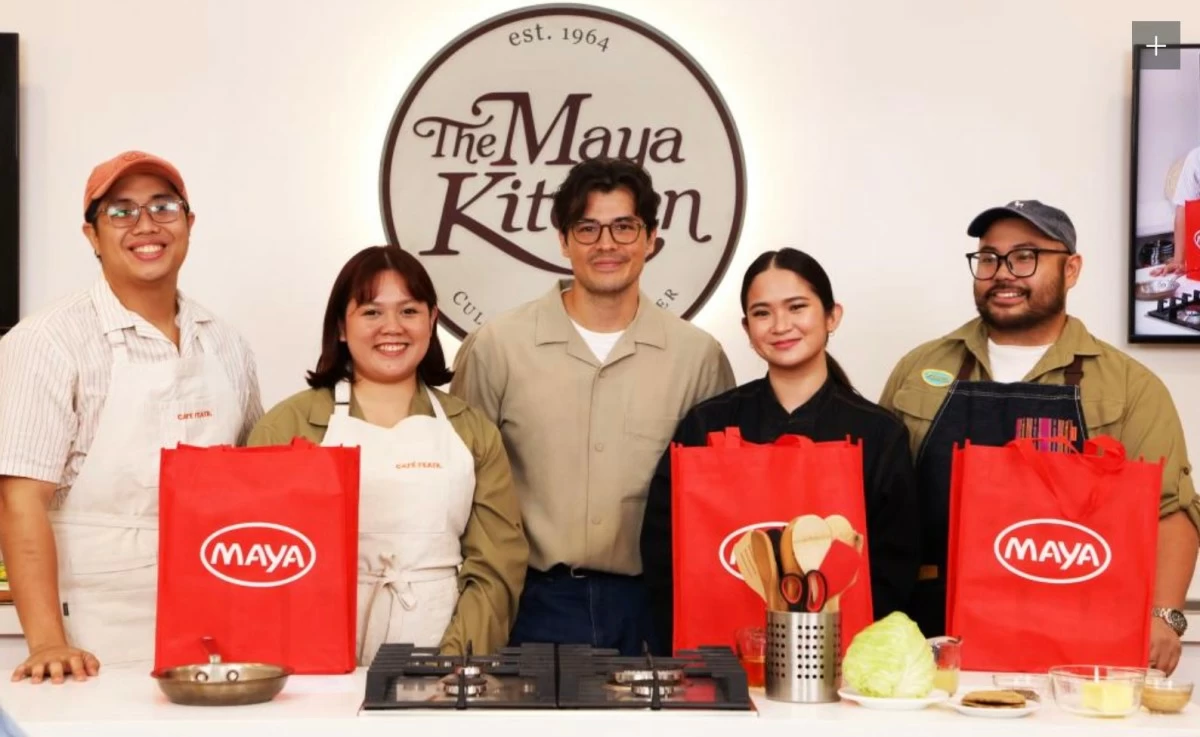
Samuelle Bawasanta, Nica Soledad, Erwan Heussaff, Trisha Chua, and Martin Narisma
At the center of this revival is a collaboration with Featr, the food storytelling platform founded by Erwan Heussaff. Known for documenting regional ingredients and traditions, Featr brings a different layer to the program, one that connects cooking with context.
“Filipino food has always been more than sustenance: it's a record of who we are, where we came from, and what we've been through,” Erwan said. “Featr exists to help make sure those stories aren't forgotten, to deepen how we understand and appreciate our food and ingredients today, and to help shape what Filipino food could become tomorrow.”
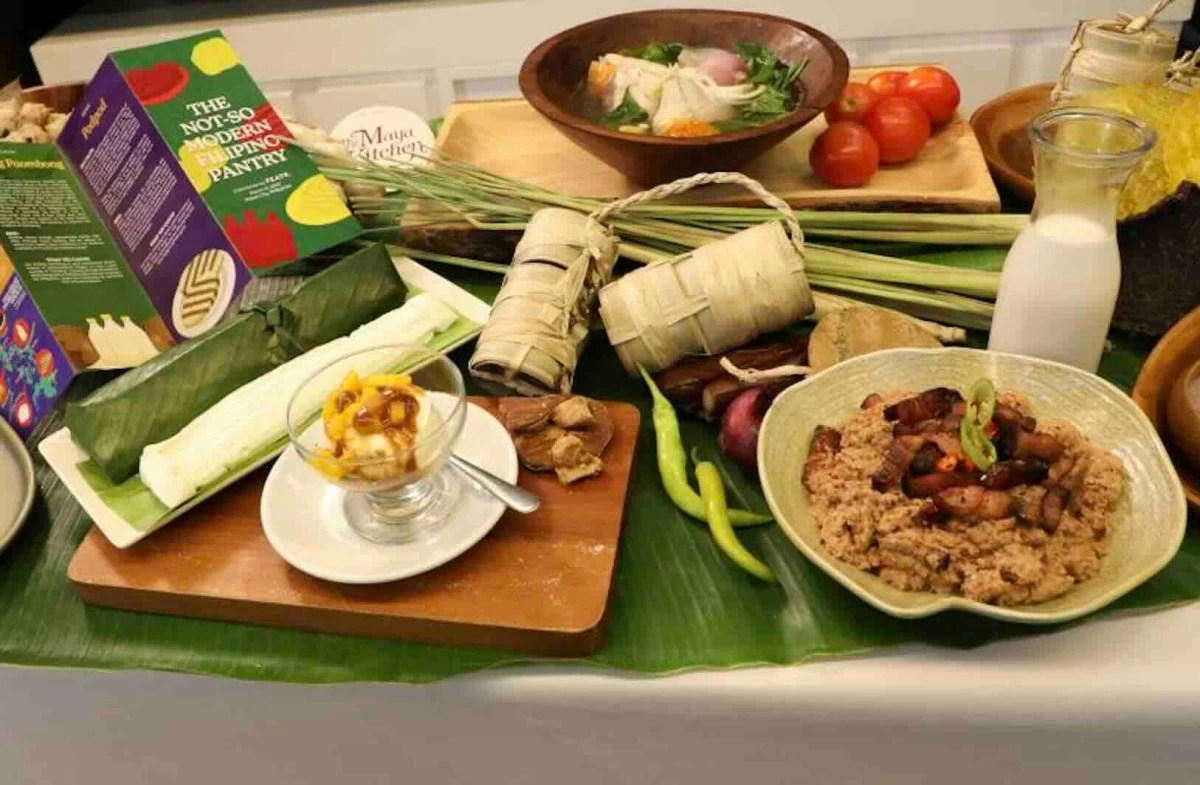
The collaboration takes shape through a concept called “Not-So Modern Filipino Pantry,” a series that revisits heritage ingredients and reworks them into dishes suited for contemporary cooking. The idea is not to modernize for its own sake, but to make these ingredients more accessible and relevant.
Among those featured are ingredients that rarely find their way into everyday kitchens. Asin tultol from Guimaras, a mineral-rich salt made by filtering seawater through burned driftwood. Gamet, a dried seaweed from Cagayan known for its natural umami. Pudpod, a smoked fish patty from Eastern Samar. Sukang Paombong from Bulacan, a nipa palm vinegar with depth and acidity. Pakaskas, a smoky palm sugar from Batangas. And kinuday, a smoked meat from the Cordilleras, rooted in traditional preservation practices.
Seen together, they form a kind of pantry that feels both familiar and distant, ingredients tied to specific places, but with the potential to move beyond them.
For Nina Daza Puyat, consultant for The Maya Kitchen, the program remains grounded in its original purpose. “The Maya Kitchen has always been about sharing knowledge and teaching Filipinos how to cook confidently at home,” she said. “The Culinary Elite program allows us to promote and preserve our Filipino food heritage while adapting it for the next generation of home cooks.”
Over the years, the Culinary Elite series has featured chefs such as Glenda Barretto, Claude Tayag, JP Anglo, Jessie Sincioco, Tatung Sarthou, Chele Gonzalez, and the late Margarita Forés, each bringing their own perspective to Filipino cooking. Its return signals a continuation of that conversation, now shaped by a new set of voices and a broader understanding of what Filipino food can be.