ADVERTISEMENT

Philippine Red Cross on high alert as Holy Week travelers hit the road

Nationwide teams mobilized to respond to emergencies, protect commuters

Published Mar 29, 2026 10:39 am
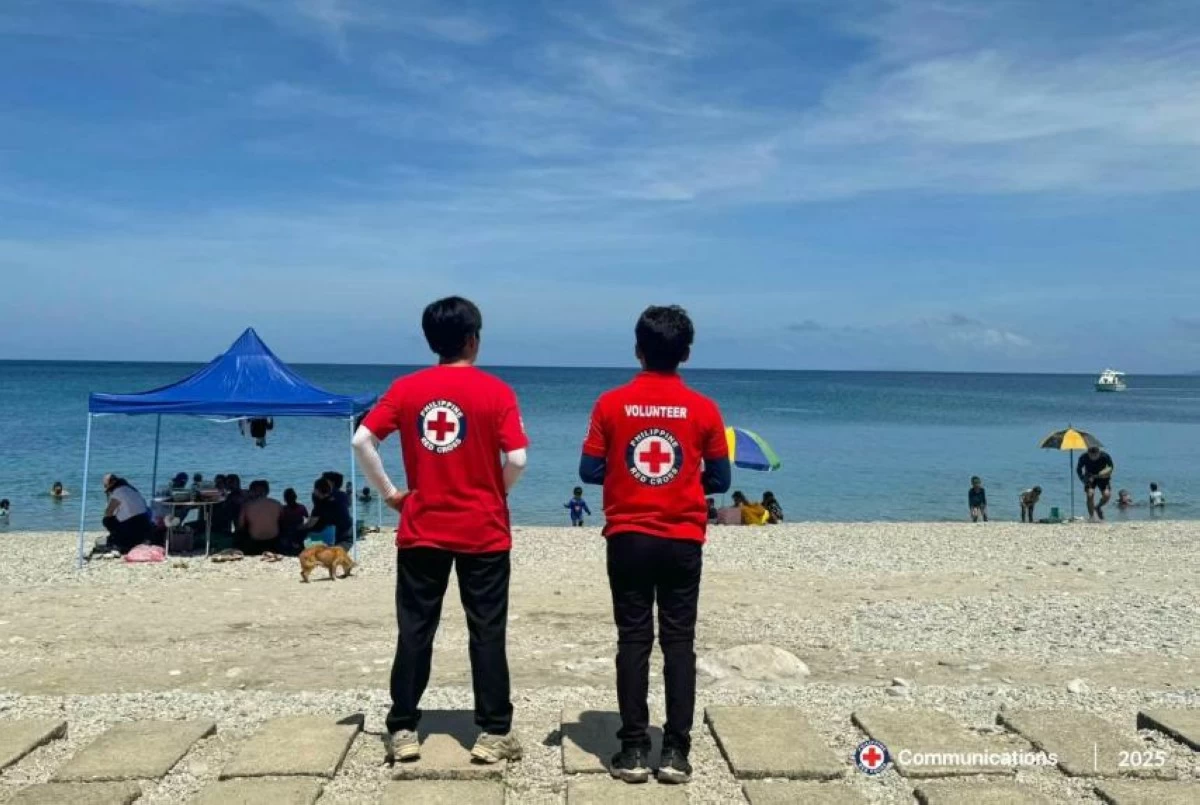
The Philippine Red Cross (PRC) rolls out emergency response operations, ensuring safety during the surge of Holy Week travelers across the Philippines. (Photo from PRC)
As the solemn observance of Holy Week begins, millions of Filipinos are once again preparing to leave the cities—heading home to their provinces, visiting pilgrimage sites, or taking a much-needed break with family.
Alongside this annual movement comes a familiar reality: crowded terminals, fully packed vehicles, and long, congested highways.
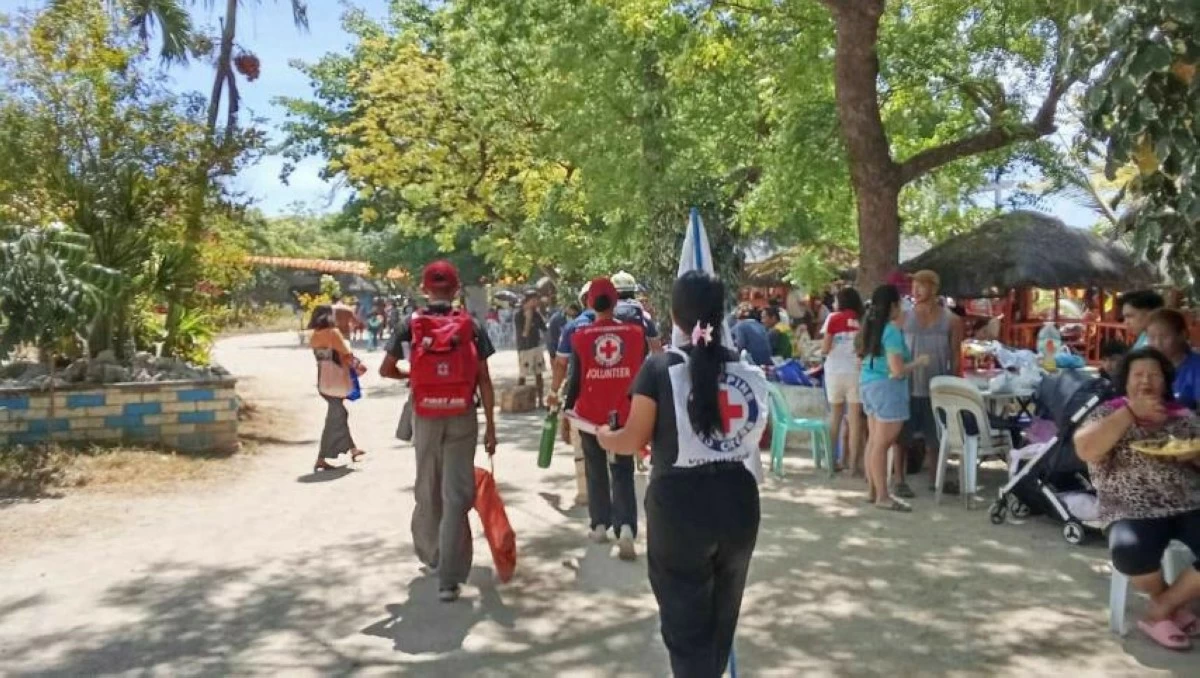
Foot patrol teams of the PRC monitor high-density areas to ensure public safety. (PRC photo)
Despite rising fuel costs that may temper some travel plans, authorities still expect a significant surge in passenger traffic nationwide.
Anticipating the influx, the Philippine Red Cross (PRC) has activated its nationwide operations on high alert from Sunday, March 29 to April 5, reinforcing its presence in areas where help is most needed.
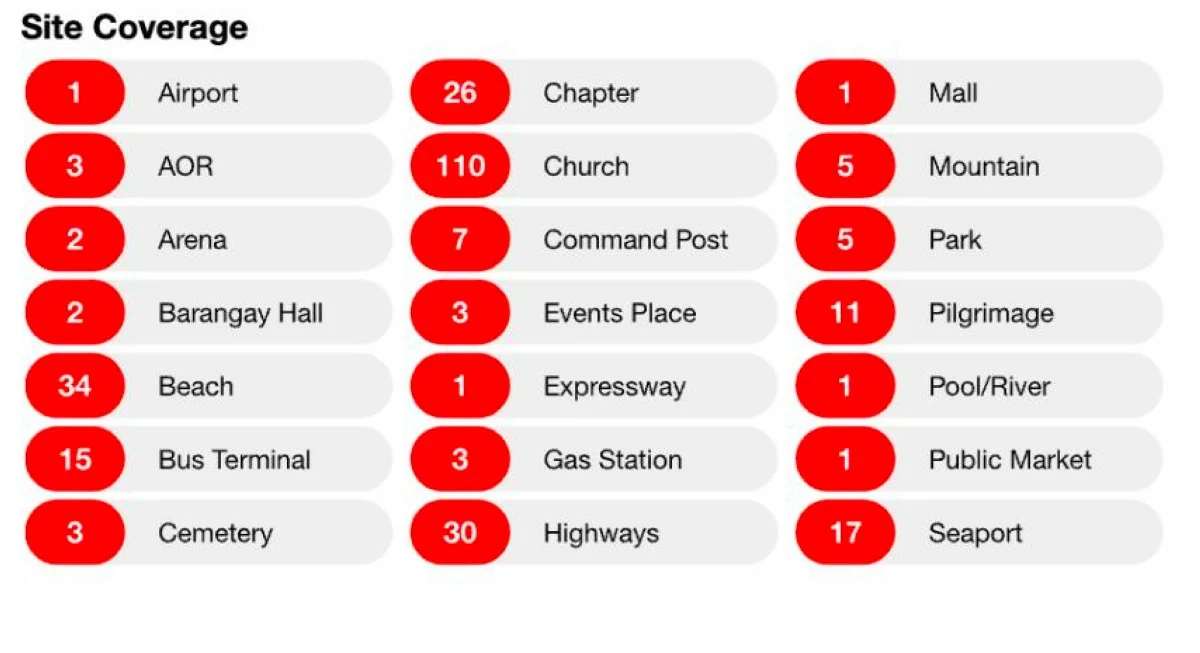
PRC ramps up emergency response as Holy Week travel surges nationwide. (PRC photo)
Across Luzon, Visayas, and Mindanao, the PRC has mobilized a formidable force of 2,224 personnel, including 1,887 trained volunteers and 337 staff members.
These teams are strategically stationed in high-density locations such as major highways, transport terminals, churches, pilgrimage routes, airports, seaports, and tourist destinations, the PRC added.
To ensure immediate assistance, the PRC has set up 296 first aid stations and 113 welfare desks nationwide—visible lifelines for travelers who may encounter medical emergencies, fatigue, or distress during the long holiday rush.
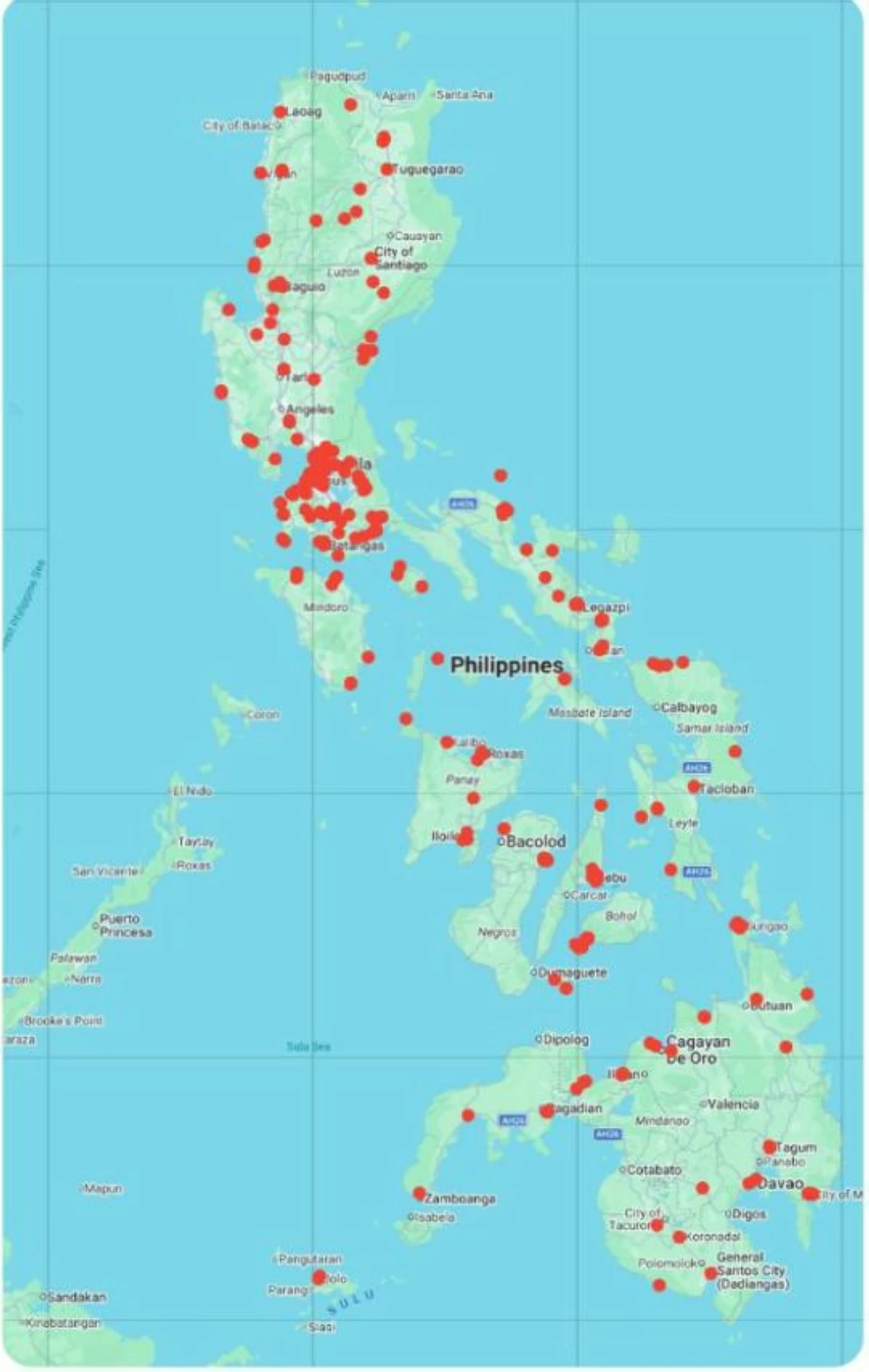
The PRC raises nationwide alert, deploying emergency teams and medical support as millions travel for Holy Week. (PRC photo)
On the ground, the PRC noted that preparedness translates into action.
A fleet of 71 ambulances stands ready to respond at a moment’s notice, supported by 110 foot patrol teams navigating crowded areas, 71 roving mobile units covering wider zones, and 15 emergency vehicles positioned in critical hotspots.
For PRC Chairman and Chief Executive Officer (CEO) Richard J. Gordon, readiness is not just operational—it is a responsibility.
He emphasized that emergencies can occur at any time, especially during peak travel periods.
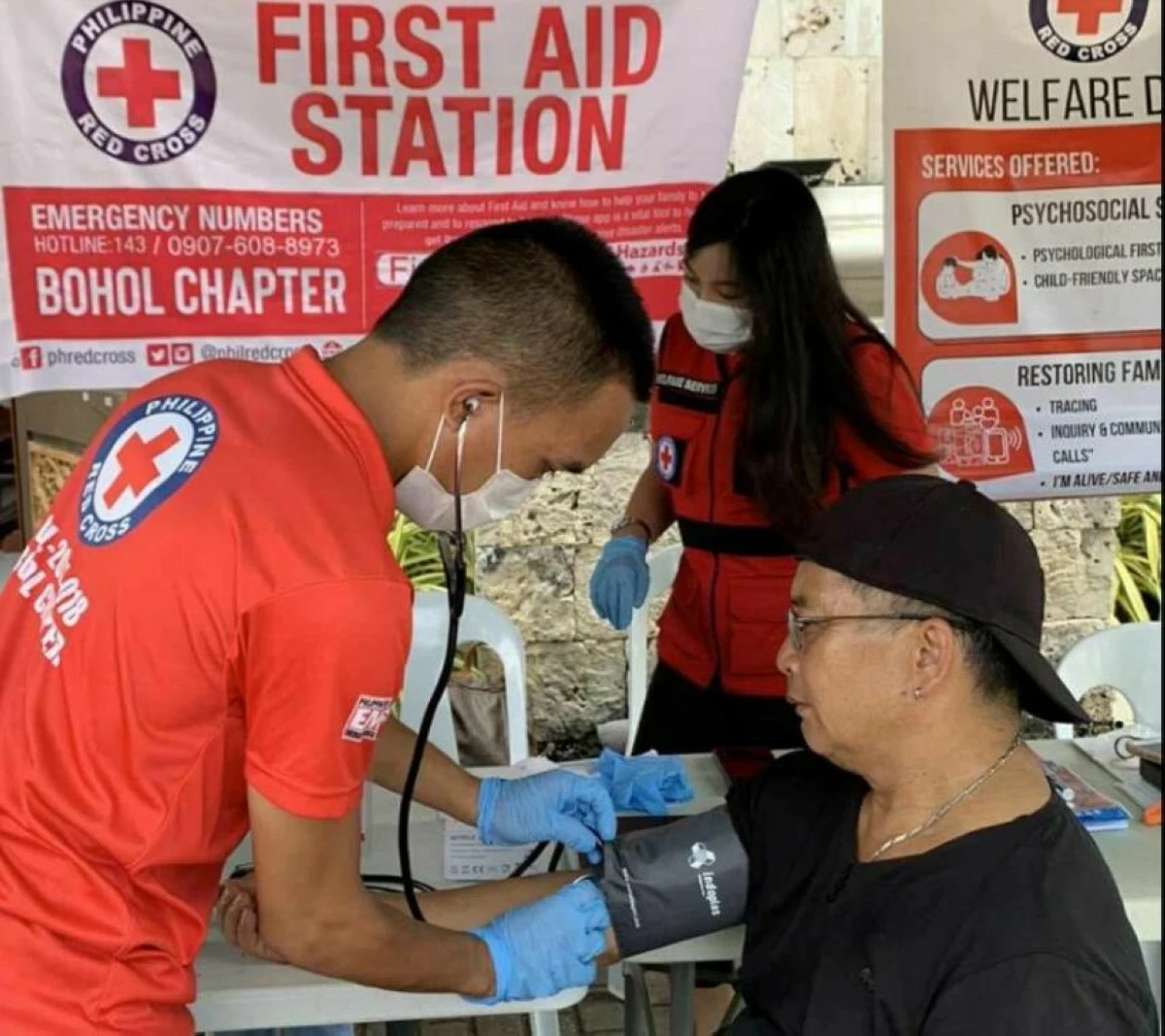
Travelers receive first aid from PRC responders at a designated station during the holiday rush. (PRC photo)
“Holy Week is a time when accidents can happen. At such times, just dial 143—we will immediately help you,” Gordon said. “Our ambulances, first aid stations, welfare desks, and response teams are all in place to serve the public,” he added.
Gordon also encouraged the public to take proactive steps in ensuring their safety. “Since accidents are inevitable, it is best to be prepared,” he said.
Highlighting the importance of personal preparedness, Gordon encouraged Filipinos to invest in safety measures such as the PRC Safe Card.
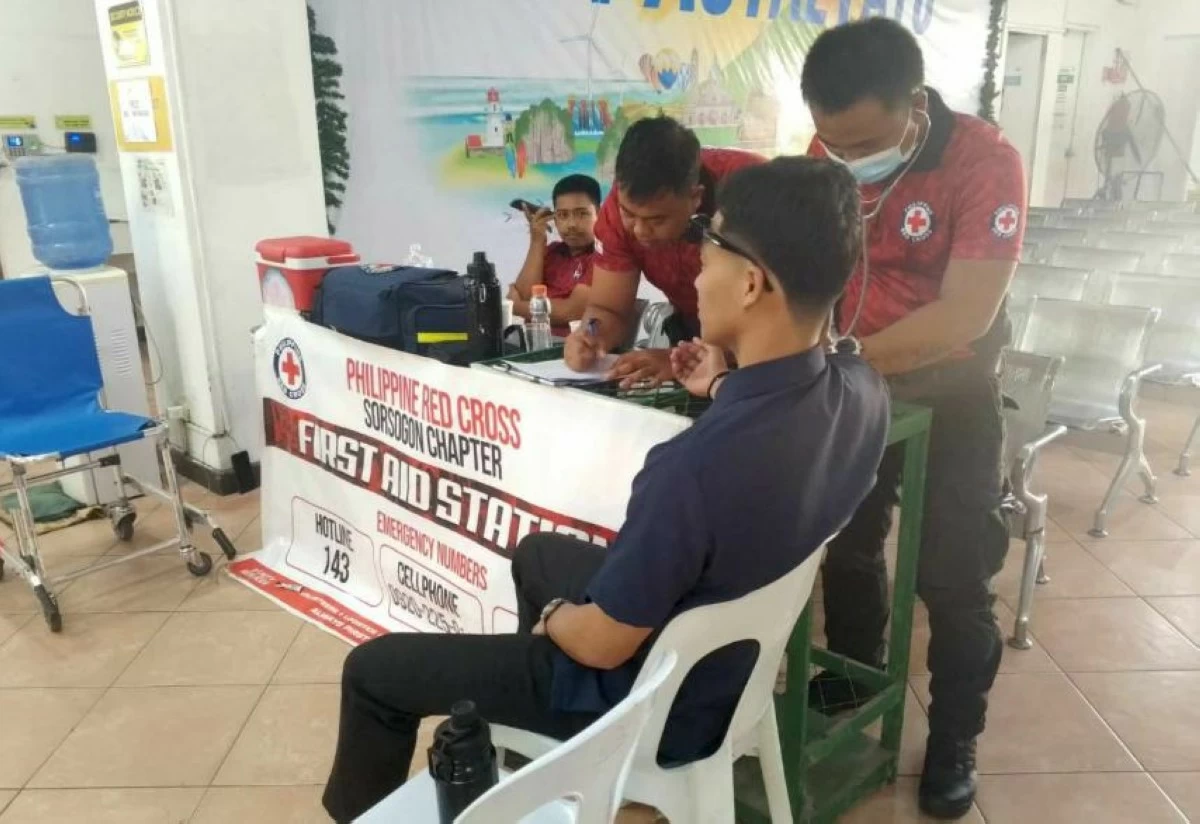
A welfare desk set up by the PRC assists travelers experiencing fatigue and distress. (PRC photo)
“With our Safe Card—which costs Php 1,200 a year—you are entitled to emergency ambulance service, one unit of blood, and accident-related hospitalization insurance coverage—all while helping us help more people,” Gordon said.
Beyond providing emergency ambulance services, blood assistance, and accident-related hospitalization coverage, the card also supports the organization’s humanitarian mission.
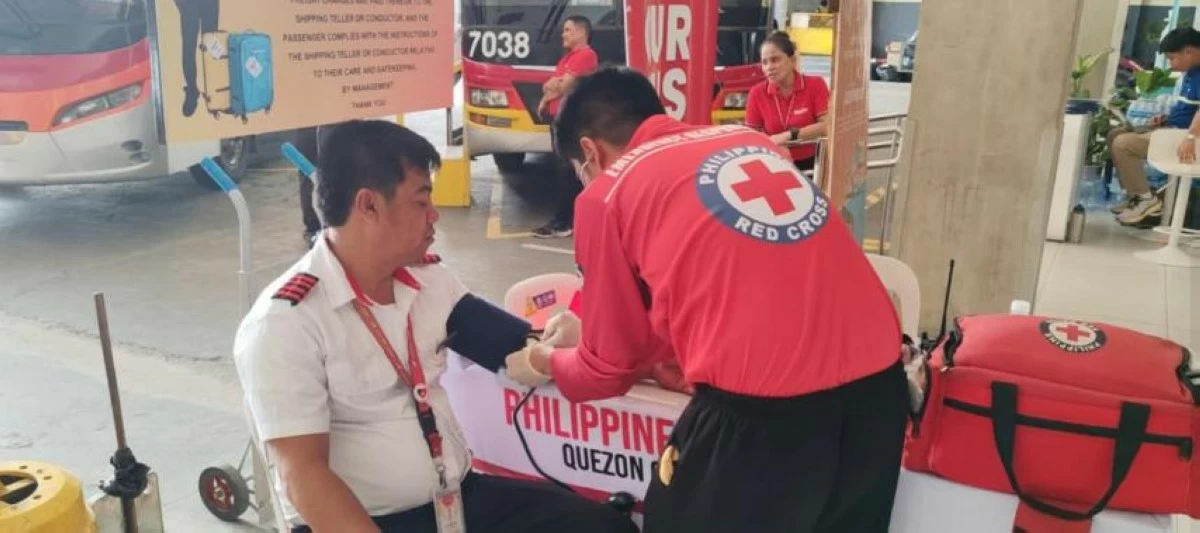
Volunteers of the PRC assist travelers at a crowded terminal as Holy Week migration begins. (PRC photo)
Meanwhile, PRC Secretary General Gwendolyn Pang called on the public to stay vigilant and informed throughout the holiday.
She urged travelers to follow the PRC’s official social media channels for real-time updates on station locations and safety advisories.
“We encourage everyone to follow the PRC’s official social media platforms for updates on the locations of our first aid stations and welfare desks, as well as important safety reminders,” she said.
Pang also outlined key precautions that could spell the difference between a safe journey and a preventable incident. She stressed the importance of road safety—ensuring vehicles are roadworthy and drivers are well-rested—as well as food safety during outings and water safety to prevent drowning and other aquatic emergencies.
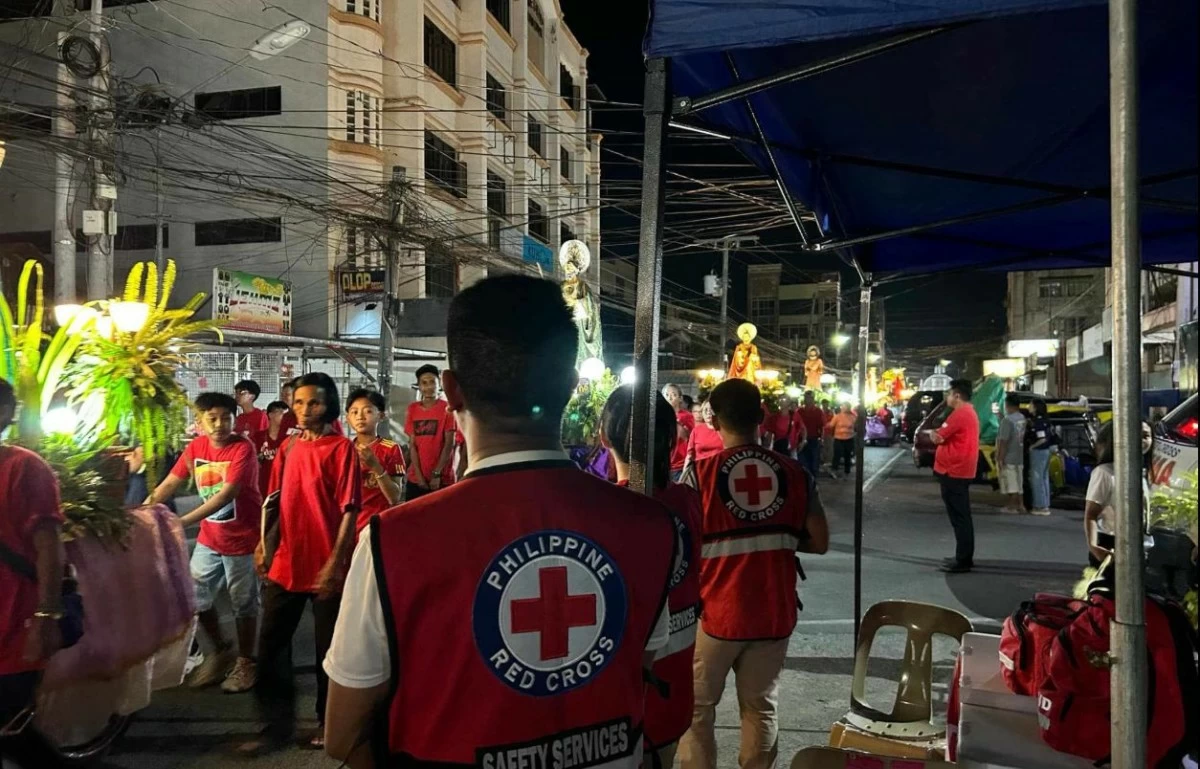
PRC personnel stand on alert to respond to emergencies during peak Holy Week travel. (PRC photo)
Simple steps, she noted, can go a long way: carrying a basic first-aid kit, staying hydrated during the dry season, and being mindful of one’s surroundings.
While Holy Week offers a chance to reconnect with faith, family, and tradition, the PRC reminded everyone that safety should remain a constant companion.
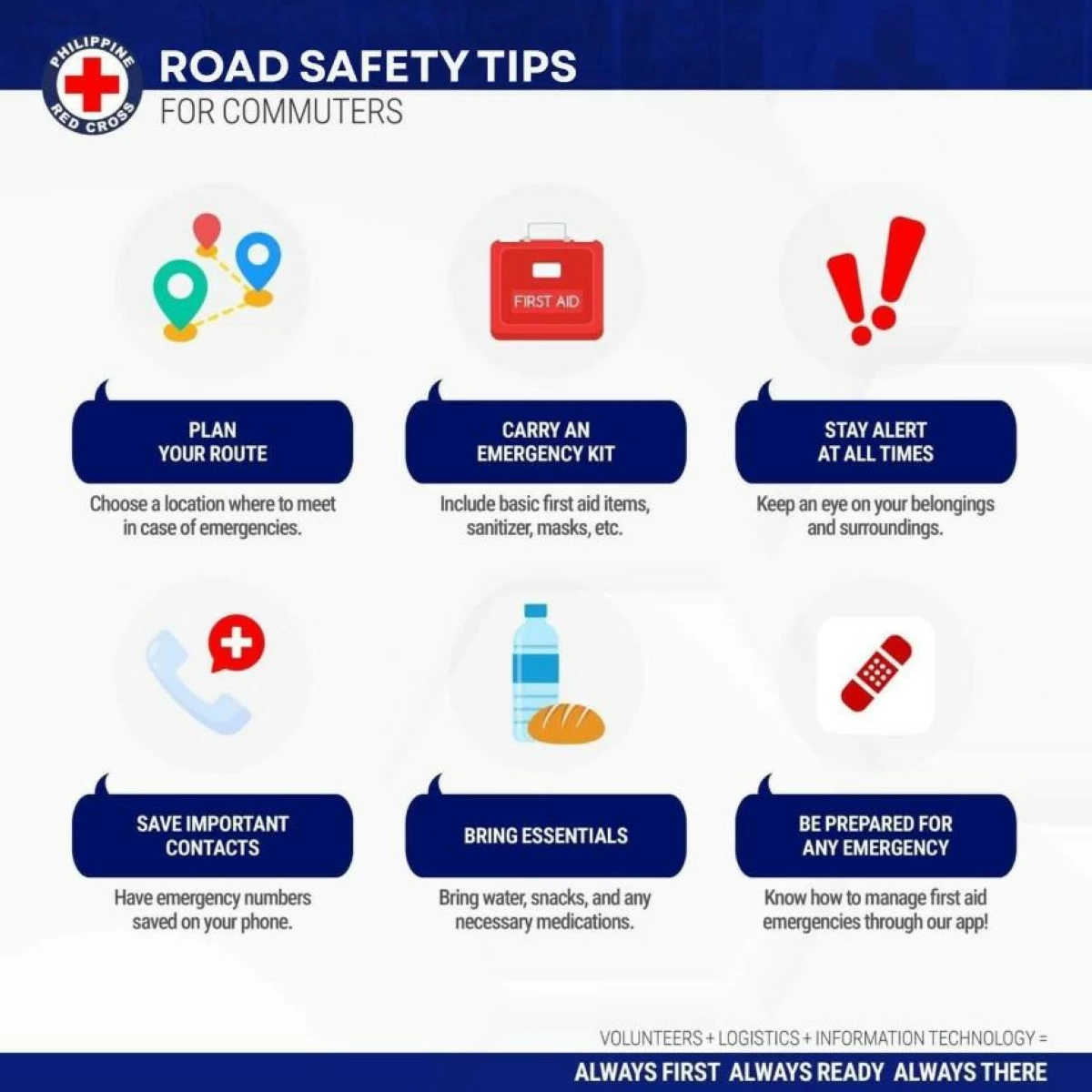
PRC reminds commuters to stay alert in crowded terminals, secure personal belongings, follow safety protocols, and keep emergency hotlines accessible during Holy Week travel.  (PRC photo)
PRC reminds commuters to stay alert in crowded terminals, secure personal belongings, follow safety protocols, and keep emergency hotlines accessible during Holy Week travel. (PRC photo)
In the quiet reflection of the season and the movement of millions, the PRC stressed that preparedness becomes not just practical, but essential.
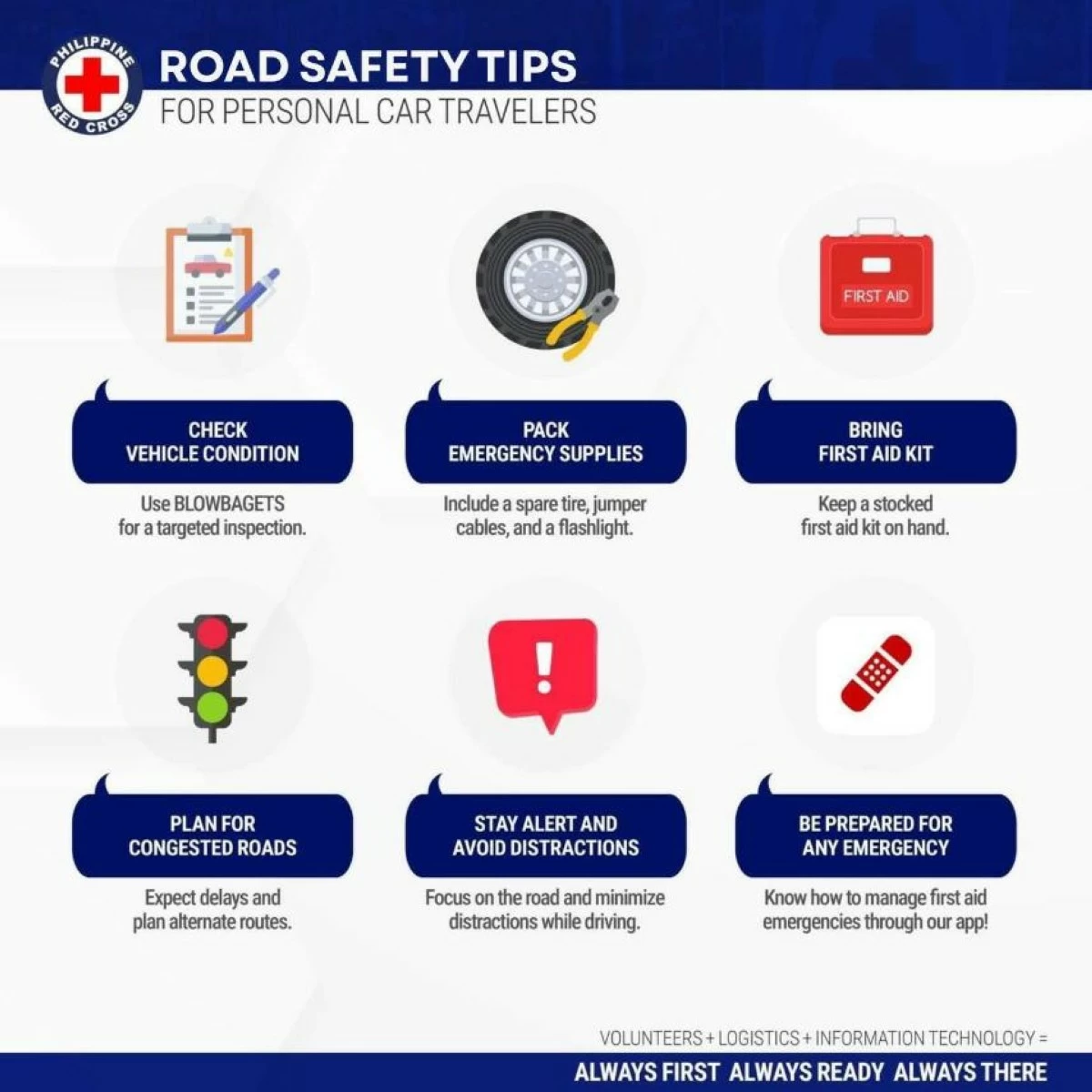
Motorists were advised to inspect their vehicles before travel, avoid fatigue and speeding, wear seatbelts at all times, and carry first-aid kits for a safer Holy Week journey. (PRC photo)

Related Tags

Philippine Red Cross Holy Week Holy Week travel Philippines PRC emergency response 2026 road safety Holy Week Philippines Red Cross first aid stations Philippines
ADVERTISEMENT
.most-popular .layout-ratio{ padding-bottom: 79.13%; } @media (min-width: 768px) and (max-width: 1024px) { .widget-title { font-size: 15px !important; } }

{{ articles_filter_1561_widget.title }}

.most-popular .layout-ratio{ padding-bottom: 79.13%; } @media (min-width: 768px) and (max-width: 1024px) { .widget-title { font-size: 15px !important; } }

{{ articles_filter_1562_widget.title }}

.most-popular .layout-ratio{ padding-bottom: 79.13%; } @media (min-width: 768px) and (max-width: 1024px) { .widget-title { font-size: 15px !important; } }

{{ articles_filter_1563_widget.title }}

{{ articles_filter_1564_widget.title }}

.mb-article-details { position: relative; } .mb-article-details .article-body-preview, .mb-article-details .article-body-summary{ font-size: 17px; line-height: 30px; font-family: "Libre Caslon Text", serif; color: #000; } .mb-article-details .article-body-preview iframe , .mb-article-details .article-body-summary iframe{ width: 100%; margin: auto; } .read-more-background { background: linear-gradient(180deg, color(display-p3 1.000 1.000 1.000 / 0) 13.75%, color(display-p3 1.000 1.000 1.000 / 0.8) 30.79%, color(display-p3 1.000 1.000 1.000) 72.5%); position: absolute; height: 200px; width: 100%; bottom: 0; display: flex; justify-content: center; align-items: center; padding: 0; } .read-more-background a{ color: #000; } .read-more-btn { padding: 17px 45px; font-family: Inter; font-weight: 700; font-size: 18px; line-height: 16px; text-align: center; vertical-align: middle; border: 1px solid black; background-color: white; } .hidden { display: none; }
function initializeAllSwipers() { // Get all hidden inputs with cms_article_id document.querySelectorAll('[id^="cms_article_id_"]').forEach(function (input) { const cmsArticleId = input.value; const articleSelector = '#article-' + cmsArticleId + ' .body_images'; const swiperElement = document.querySelector(articleSelector); if (swiperElement && !swiperElement.classList.contains('swiper-initialized')) { new Swiper(articleSelector, { loop: true, pagination: false, navigation: { nextEl: '#article-' + cmsArticleId + ' .swiper-button-next', prevEl: '#article-' + cmsArticleId + ' .swiper-button-prev', }, }); } }); } setTimeout(initializeAllSwipers, 3000); const intersectionObserver = new IntersectionObserver( (entries) => { entries.forEach((entry) => { if (entry.isIntersecting) { const newUrl = entry.target.getAttribute("data-url"); if (newUrl) { history.pushState(null, null, newUrl); let article = entry.target; // Extract metadata const author = article.querySelector('.author-section').textContent.replace('By', '').trim(); const section = article.querySelector('.section-info ').textContent.replace(' ', ' '); const title = article.querySelector('.article-title h1').textContent; // Parse URL for Chartbeat path format const parsedUrl = new URL(newUrl, window.location.origin); const cleanUrl = parsedUrl.host + parsedUrl.pathname; // Update Chartbeat configuration if (typeof window._sf_async_config !== 'undefined') { window._sf_async_config.path = cleanUrl; window._sf_async_config.sections = section; window._sf_async_config.authors = author; } // Track virtual page view with Chartbeat if (typeof pSUPERFLY !== 'undefined' && typeof pSUPERFLY.virtualPage === 'function') { try { pSUPERFLY.virtualPage({ path: cleanUrl, title: title, sections: section, authors: author }); } catch (error) { console.error('ping error', error); } } // Optional: Update document title if (title && title !== document.title) { document.title = title; } } } }); }, { threshold: 0.1 } ); function showArticleBody(button) { const article = button.closest("article"); const summary = article.querySelector(".article-body-summary"); const body = article.querySelector(".article-body-preview"); const readMoreSection = article.querySelector(".read-more-background"); // Hide summary and read-more section summary.style.display = "none"; readMoreSection.style.display = "none"; // Show the full article body body.classList.remove("hidden"); } document.addEventListener("DOMContentLoaded", () => { let loadCount = 0; // Track how many times articles are loaded const offset = [1, 2, 3, 4, 5, 6, 7, 8, 9, 10]; // Offset values const currentUrl = window.location.pathname.substring(1); let isLoading = false; // Prevent multiple calls if (!currentUrl) { console.log("Current URL is invalid."); return; } const sentinel = document.getElementById("load-more-sentinel"); if (!sentinel) { console.log("Sentinel element not found."); return; } function isSentinelVisible() { const rect = sentinel.getBoundingClientRect(); return ( rect.top < window.innerHeight && rect.bottom >= 0 ); } function onScroll() { if (isLoading) return; if (isSentinelVisible()) { if (loadCount >= offset.length) { console.log("Maximum load attempts reached."); window.removeEventListener("scroll", onScroll); return; } isLoading = true; const currentOffset = offset[loadCount]; window.loadMoreItems().then(() => { let article = document.querySelector('#widget_1690 > div:nth-last-of-type(2) article'); intersectionObserver.observe(article) loadCount++; }).catch(error => { console.error("Error loading more items:", error); }).finally(() => { isLoading = false; }); } } window.addEventListener("scroll", onScroll); });

Sign up by email to receive news.