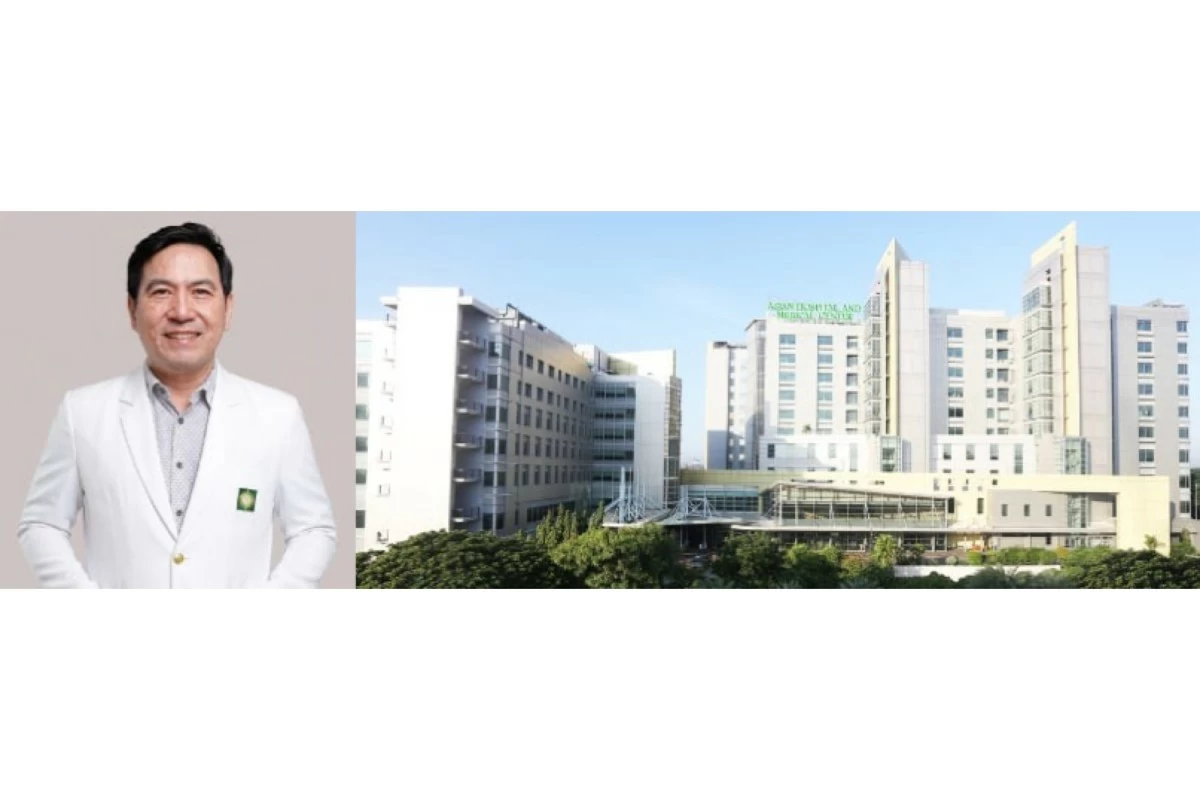
By Dr. Ernest Roberto H. Manas
Consultant, Otolaryngology-Head and Neck Surgery
Asian ENT Center
Asian Hospital and Medical Center
When whispers become harder to hear, noise becomes too difficult to tolerate, and you weirdly feel “off,” these are often signals that there may be something wrong with your ears. The World Health Organization projects that by 2050, about 2.5 billion people are expected to have some degree of hearing loss, with over 700 million requiring rehabilitation. To avoid becoming part of these projected numbers, understanding risks, early detection, and intervention are crucial.
Inaudible words
Struggling to hear certain conversations or asking someone to repeat what was said many times is not conclusive, but these are signs pointing to the need to get checked for hearing loss.
To diagnose if a person is suffering from hearing loss, tests called audiometry are performed to measure the thresholds of hearing or the lowest levels a person can hear. When hearing loss is identified, the impairment can be described according to its severity, which can range from mild, moderate, moderate-to-severe, and severe to a profound level, wherein the person is truly deaf. So, the louder a person needs to hear sound, the more significant the hearing loss.
Consistent precaution
Hearing loss can happen to anyone at any age for various reasons. While contributing factors can occur anytime, high predispositions and/or vulnerabilities may be more observable in particular life stages. Being born deaf is linked to issues encountered during the prenatal period. These may be due to genetic reasons or intrauterine infections, like when the mother acquires certain diseases like rubella (German measles) or cytomegalovirus (cold sores or chickenpox). Difficulties during birth, such as asphyxia or lack of oxygen at the time of birth, severe jaundice during the first weeks of birth, low birth weight, and other birth morbidities and management can also contribute to hearing loss.
Children are particularly more predisposed to ear infections due to their anatomy, frequency of cough and colds, and allergies. Once adults, other contributing factors arise, such as occupation, lifestyle, health, family history, and natural aging.
There are also some causes that can impact hearing that are not dependent on a particular stage of life. These include impacted earwax, trauma to the ear or head, exposure to noise, chemicals, medicines, nutritional deficiencies, and viral infections.
Troubled balance
Apart from enabling us to hear, our ear is also vital in maintaining our sense of balance as their inner part houses the vestibular system, which is the organ responsible for balance. When the vestibular system becomes weak or loses function, with or without hearing loss, our sense of balance goes whack and causes symptoms of dizziness or vertigo. Vertigo, which is a sensation of spinning or movement, is especially uncomfortable and is a good reason for us to take good care of our ears.
Crucial call
Decreasing the risk of hearing loss requires integrating several practices into the way we live.
A significant number of babies can avoid newborn hearing loss through proper maternal care, perinatal check-ups, and may recommend immunization.
For teenagers, reducing volume while using portable media devices can prevent the most common cause of hearing loss in this age group.
For adults working in noisy environments, following occupational safety measures such as wearing earplugs and spending less time spent in loud noise can prevent permanent hearing damage. It’s also good to be aware of the effects of medicine on hearing by asking about possible side effects of any prescribed medicines.
These simple steps result not just in healthy hearing, but also benefit our sense of balance as well.
World Hearing Day
The World Health Organization celebrates World Hearing Day every March 3 to advocate for hearing health and proper ear care. At the Asian Hospital and Medical Center, this annual event was held for the third time since 2023, featuring a free ear clinic at the hospital, a community outreach medical mission at Tuloy sa Don Bosco in Muntinlupa, and a mini-concert at the Asian Lobby by the Strings and Flute Ensemble, Phantom Philharmonic, led by Mark Flores, Rafael Villanueva, Ernest Manas, Megan Tarrazona, and yours truly.
If you have problems with your hearing or balance, Asian Hospital and Medical Center offers comprehensive tests at the Asian ENT Center, a fully equipped facility staffed by ENT specialists, audiologists, and trained technicians, providing personalized, multidisciplinary care.
For inquiries, you may call 8771-9000 local 5913 or email [email protected]. Follow our social media pages for updates: //AsianHospitalPH.