






Manila Bulletin
 Philippines
National
In China forum, Arthur Yap discusses ways Philippines can 'reposition' itself in Asia
Philippines
National
In China forum, Arthur Yap discusses ways Philippines can 'reposition' itself in Asia
Philippines
National
In China forum, Arthur Yap discusses ways Philippines can 'reposition' itself in Asia
In China forum, Arthur Yap discusses ways Philippines can 'reposition' itself in Asia
Published Mar 28, 2026 02:57 pm


At A Glance
- Murang Kuryente Party-list Rep. Arthur Yap believes that the Philippines must strategically reposition itself even as Asia undergoes major economic transformation in terms of energy security, industrial upgrading, and regional cooperation.
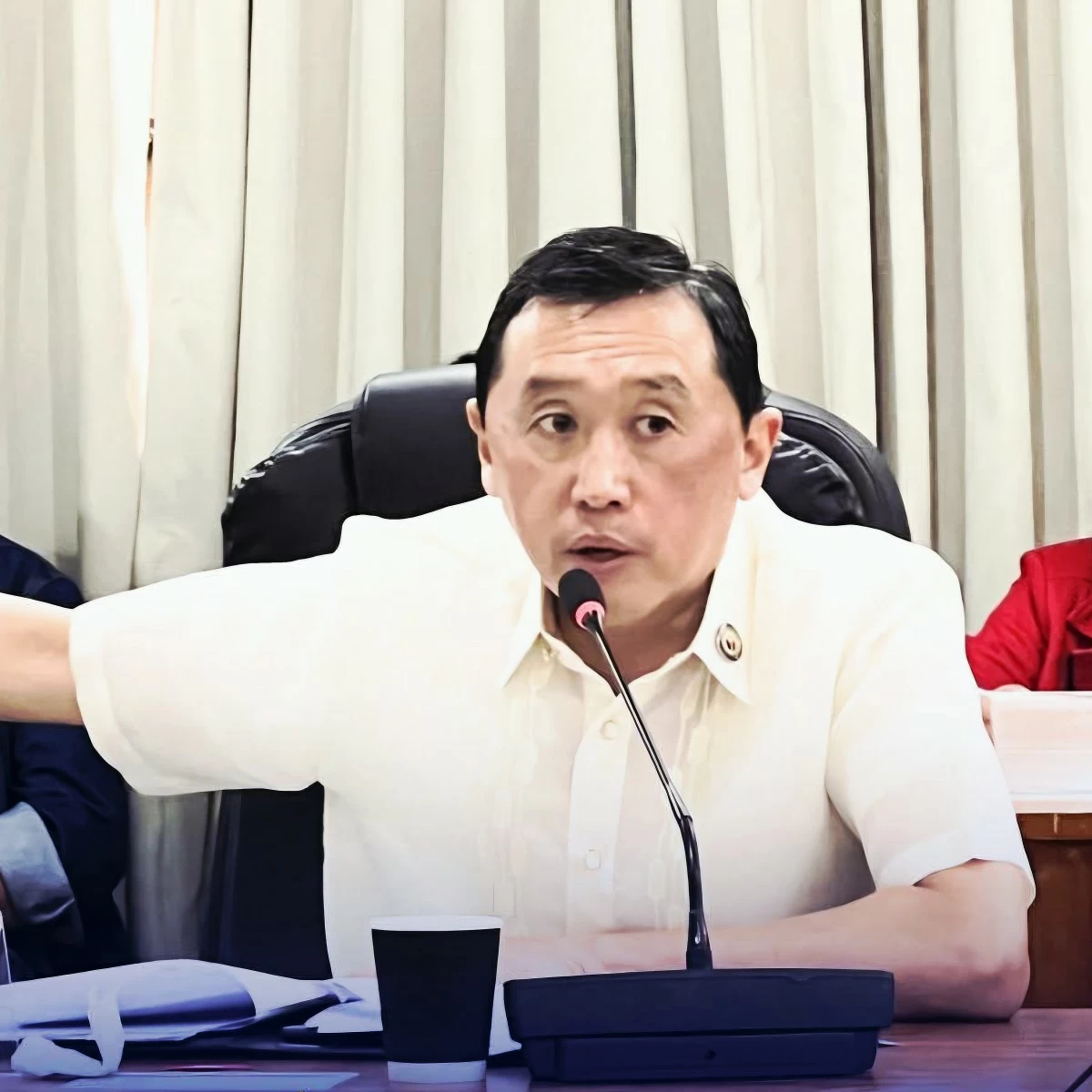
Murang Kuryente Party-list Rep. Arthur Yap (Facebook)
Murang Kuryente Party-list Rep. Arthur Yap believes that the Philippines must strategically reposition itself even as Asia undergoes major economic transformation in terms of energy security, industrial upgrading, and regional cooperation.
Speaking in the context of discussions from the 25th anniversary of the Boao Forum for Asia in Hainan, China, Yap emphasized that the region’s shift — driven by technological competition, evolving supply chains, and the transition to clean energy — presents a critical window for the Philippines to reposition itself.
“The Philippines must not remain at the margins of global supply chains,” Yap said, as he pointed to the need to move beyond low-value electronics assembly and into higher-value sectors such as semiconductor packaging, advanced manufacturing, and technology services.
Yap highlighted that the country’s vast nickel reserves provide a natural advantage in supporting the rapidly growing electric vehicle and renewable energy industries.
However, the party-list solon says that this potential can only be realized if longstanding structural constraints are addressed.
He said high electricity costs, inefficient logistics, and gaps in workforce skills were identified as key barriers to investment.
“Ensuring affordable and reliable energy for Filipinos requires us to pursue all viable options, including strategic partnerships that can stabilize supply and lower costs. These initiatives are critical not only for consumers but for strengthening our competitiveness and attracting long-term investments.” said Yap.
According to him, strengthening human capital--particularly through expanded science and engineering education and better alignment between training programs and industry needs--is also key.
At the same time, Yap emphasized that economic resilience must include stronger support for agriculture. Expanding access to affordable financing—through crop insurance, credit guarantees, and risk-sharing mechanisms — can unlock productivity and break the cycle of underinvestment in the sector.
The veteran congressman added that government policy should focus on de-risking private capital to enable greater investment flows into both industry and agriculture.
Regional developments, including renewed openness to joint energy exploration in the West Philippine Sea (WPS), were cited as positive steps toward building a more stable and predictable investment climate.
Reflecting on Asia’s broader trajectory, former president and incumbent Pampanga 2nd district Rep. Gloria Macapagal Arroyo said: “The last 25 years were a miracle of growth. May the next 25 years be a miracle of cooperation and peace.”
Yap said such a vision aligns with the Philippines’ need to deepen engagement with regional partners while strengthening domestic foundations.
“As Asia moves into its next phase, the Philippines must be ready—not just to participate, but to lead where it can,” he noted.