






Manila Bulletin
 Philippines
National
DSWD cash relief assistance vs DOTr fuel subsidy: What's the difference?
Philippines
National
DSWD cash relief assistance vs DOTr fuel subsidy: What's the difference?
Philippines
National
DSWD cash relief assistance vs DOTr fuel subsidy: What's the difference?
DSWD cash relief assistance vs DOTr fuel subsidy: What's the difference?
Published Mar 28, 2026 02:57 pm


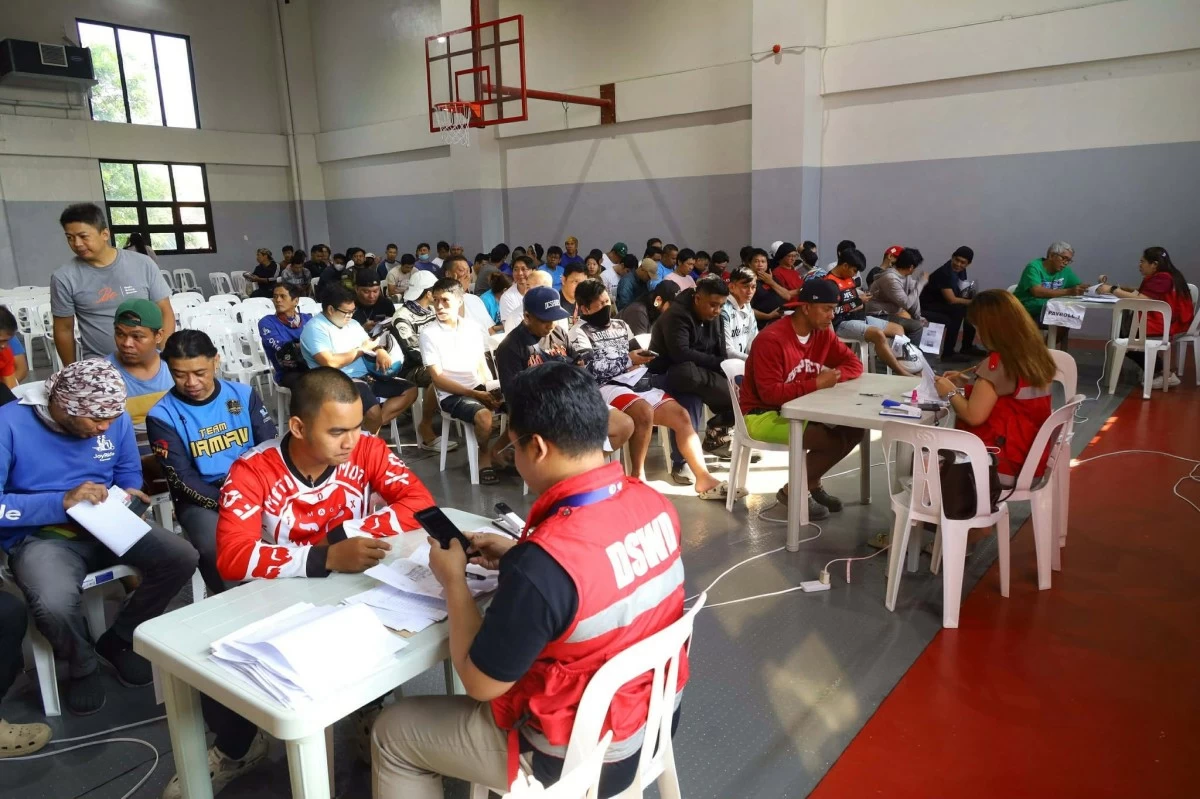
Department of Social Welfare and Development (DSWD) personnel distribute cash relief assistance to public utility vehicle drivers under the Assistance to Individuals in Crisis Situation (AICS) program, as part of government efforts to help ease the impact of rising fuel prices. (DSWD photo)
Two government assistance programs are being implemented in the Philippines to help public utility drivers cope with rising fuel prices triggered by the ongoing conflict in the Middle East.
Although both programs aim to support the country’s transport sector, they differ in design and implementation.
DSWD cash relief assistance
The cash relief assistance (CRA) is implemented under the Assistance to Individuals in Crisis Situation (AICS) program of the Department of Social Welfare and Development (DSWD).
It provides direct financial support to public utility vehicle (PUV) drivers affected by higher fuel costs and reduced daily income.
Beneficiaries include tricycle drivers, jeepney drivers, transport service vehicle drivers, delivery riders, and other similar transport workers.
Each qualified beneficiary receives a one-time ₱5,000 cash assistance.
The list of beneficiaries is validated by the Land Transportation Franchising and Regulatory Board (LTFRB), based on submissions from local government units, transport groups, and transport network companies.
Distribution is done through physical payout sites managed by the DSWD.
The payout began in Metro Manila on March 17 and will continue in the provinces after Holy Week.
READ MORE:
DOTr fuel subsidy program
Meanwhile, the fuel subsidy program is implemented by the Department of Transportation (DOTr) and is specifically intended to offset fuel expenses of eligible public transport operators and drivers.
Unlike the DSWD cash assistance, this program is directly tied to fuel support rather than general financial aid.
It covers operators and drivers of regulated public utility vehicles with valid franchises issued by the LTFRB.
The amount of assistance varies depending on the type of vehicle, reflecting differences in fuel consumption needs.
Distribution is carried out through multiple channels, including subsidy cards, bank transfers, e-wallets, and cash or check releases.
Implementation is set to begin on April 6, based on government announcements.