






Manila Bulletin
 Business
Trade & Industry
FPI: Remote work can save energy, but not for every business
Business
Trade & Industry
FPI: Remote work can save energy, but not for every business
Business
Trade & Industry
FPI: Remote work can save energy, but not for every business
FPI: Remote work can save energy, but not for every business
Published Mar 27, 2026 10:16 am


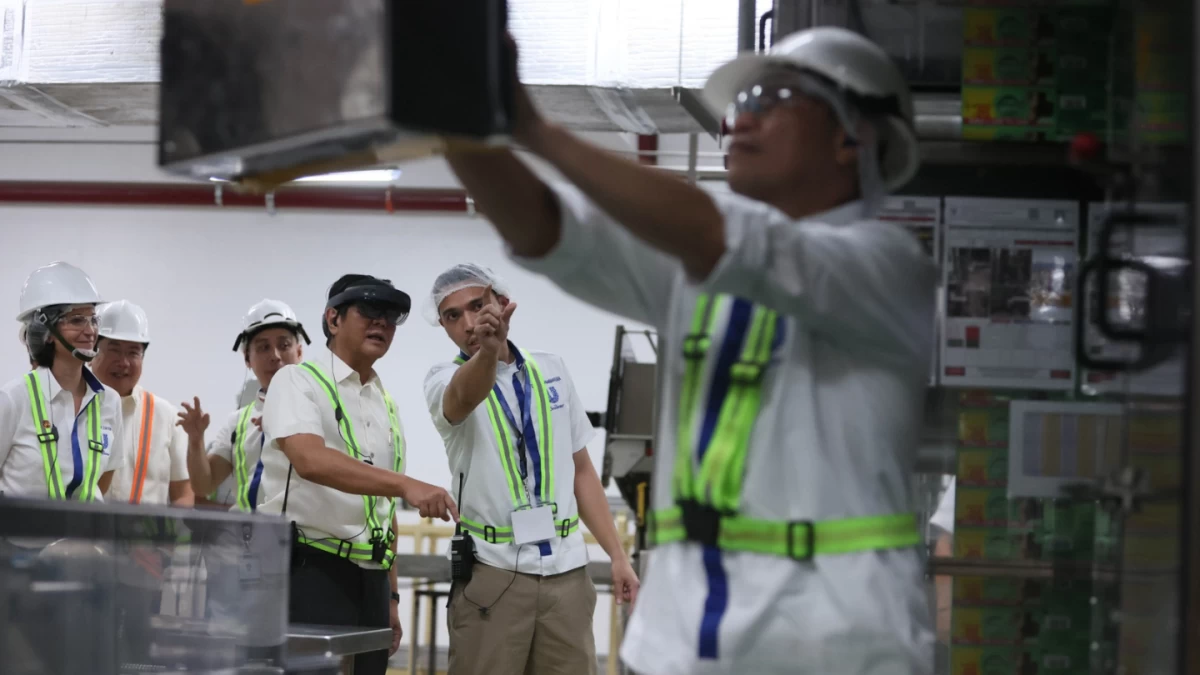
The Federation of Philippine Industries (FPI) is backing targeted measures to mitigate the impact of surging energy costs, though the group warned that remote-work mandates must account for the operational realities of the manufacturing sector.
The International Energy Agency recently urged global governments to reintroduce work-from-home (WFH) protocols as part of an emergency suite of energy-saving measures. The call comes as escalating tensions in the Middle East continue to disrupt oil supply chains and stoke price volatility, straining the Philippines’ energy-sensitive economy.
While the FPI described the IEA’s recommendation as timely, it emphasized that a blanket approach would be impractical for the country's industrial backbone.
Elizabeth H. Lee, FPI chairperson, said in a statement on Friday, March 27, that businesses are significantly better equipped to handle flexible work arrangements than they were prior to the pandemic.
She noted that accelerated investments in digital infrastructure—including cloud systems, collaboration platforms, and enhanced cybersecurity protocols—have allowed many firms to transition toward hybrid models with fewer technical hurdles.
Despite these advancements, the FPI cautioned that the viability of remote work remains highly stratified. While business process outsourcing firms, financial institutions, and technology enterprises can pivot their workforces almost instantly, other sectors remain tethered to physical sites.
Lee noted that the hospitality, food service, and manufacturing industries require a physical workforce to sustain daily output, making remote work an impossibility for core operations.
Within the manufacturing sector specifically, firms are navigating a delicate balance between maintaining uninterrupted production and managing tightening margins. Rather than relying solely on remote work, manufacturers are intensifying mitigation strategies such as shifting production schedules to off-peak energy hours and cross-training employees to improve workforce flexibility.
or these companies, work-from-home arrangements are strictly reserved for non-production functions where such a shift does not compromise factory output.
The group also highlighted that the success of remote work depends heavily on the country’s digital environment. Lee pointed out that for roles where remote work is feasible, reliable broadband access remains a critical prerequisite for productivity.
While such arrangements can provide much-needed relief to employees facing rising commuting costs, she stressed that performance and efficiency must remain uncompromised to ensure economic competitiveness.
Ultimately, the FPI is calling for policy responses that are calibrated and sector-sensitive. Energy-related adjustments must recognize that a one-size-fits-all mandate could inadvertently disrupt core industries.
Lee concluded that a balanced, sector-specific approach will be essential to protecting both national economic stability and the welfare of the Filipino workforce as energy prices remain volatile.