






Manila Bulletin
 Philippines
National
Economic relief or VP Duterte impeachment? House can multi-task, says Ortega
Philippines
National
Economic relief or VP Duterte impeachment? House can multi-task, says Ortega
Philippines
National
Economic relief or VP Duterte impeachment? House can multi-task, says Ortega
Economic relief or VP Duterte impeachment? House can multi-task, says Ortega
Published Mar 27, 2026 01:44 pm


At A Glance
- The House of Representatives can multi-task in terms of advancing relief measures amid the fuel price crisis and exacting accountability during Vice President Sara Duterte's impeachment proceedings.
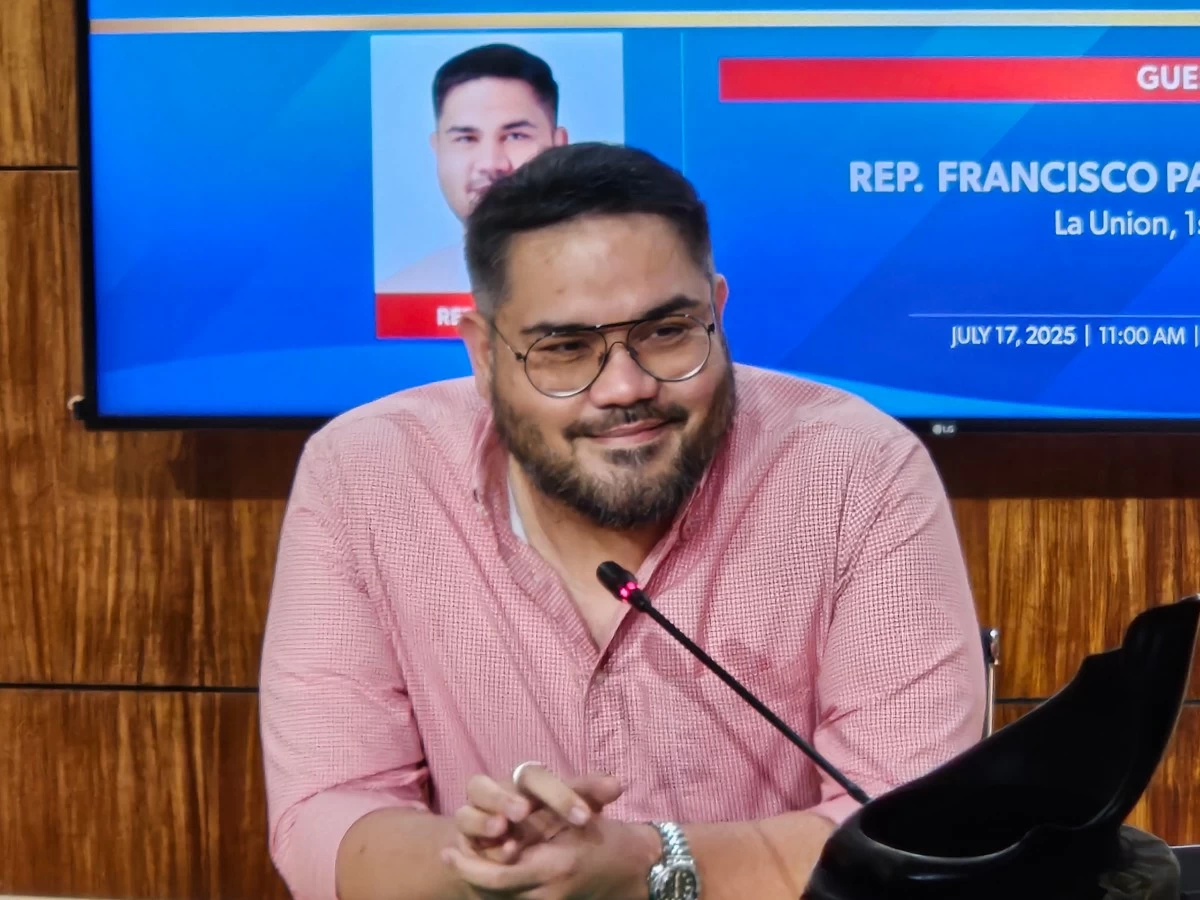
La Union 1st district Rep. Paolo Ortega V (Ellson Quismorio/ MANILA BULLETIN)
The House of Representatives can multi-task in terms of advancing relief measures amid the fuel price crisis and exacting accountability during Vice President Sara Duterte's impeachment proceedings.
Thus, said House Deputy Speaker La Union 1st district Rep. Paolo Ortega V, as he shrugged off criticisms that the House should prioritize economic issues over the impeachment proceedings.
"The premise is flawed. Addressing inflation and ensuring accountability are not competing tasks—they are both essential to governance,” Ortega, a member of the House "Young Guns" bloc, said.
The House, through the Committee on Justice, has just started the "hearings proper" stage of the impeachment proceedings against Vice President Duterte. The chamber is holding the hearings even during then legislative recess.
Ortega says that the same House conducting impeachment is also advancing economic relief measures, particularly in response to global fuel price volatility and regional instability.
“Kung may krisis sa presyo, may tugon ang Kamara. Kung may tanong sa pananagutan, may proseso rin ang Kamara. Hindi kami pipili—gagawin namin pareho (If there is a price crisis, the House has a response. If there are questions of accountability, the House also has a process. We will not choose—we will do both)," said the Ilocano.
He cited recent actions of the chamber that directly address everyday concerns of Filipinos:
• Advancing fuel price relief measures, including authority for the President to suspend or reduce excise taxes on petroleum products:
• Continuing legislative work on inflation mitigation, food security, and social protection;
• Approving the abolition of the travel tax to reduce costs for Filipinos;
• Pushing forward the Digital Payments Act to modernize government services;
• Advancing reforms in education, public service delivery, and governance efficiency; and
• Completing plenary deliberations on the Anti-Political Dynasty bill
“These are not abstract policies. These are real interventions that respond to rising costs, improve services, and expand opportunities,” Ortega said.
He also highlighted the House’s strong performance on the administration’s legislative agenda, as 18 out of 52 Legislative-Executive Development Advisory Council (LEDAC) priority measures have already been passed or advanced to the bicameral stage before the chamber went on break last March 19.
Ortega underscored that the impeachment process will proceed based on constitutional mandate, regardless of political noise or individual participation.
“Institutions do not stop because one official chooses not to engage. The work continues, the process continues, and the service continues.
For Ortega, the current moment is ultimately a test of the House’s capacity to govern under pressure. “This is where institutions are measured—not when it is easy, but when it is difficult."
“Kahit may impeachment, tuloy ang serbisyo. At kung may dapat patunayan ang Kamara ngayon, ito iyon—na kaya naming pagsabayin ang pananagutan at paglilingkod, nang walang atrasan,” the deputy speaker said.
(Even with impeachment, public service continues. And if there is something the House must prove now, it is this—that we can carry out accountability and service side by side, without retreat.)