







Central Mindanao provinces act vs impact of fuel price hikes
Published Mar 27, 2026 12:37 pm


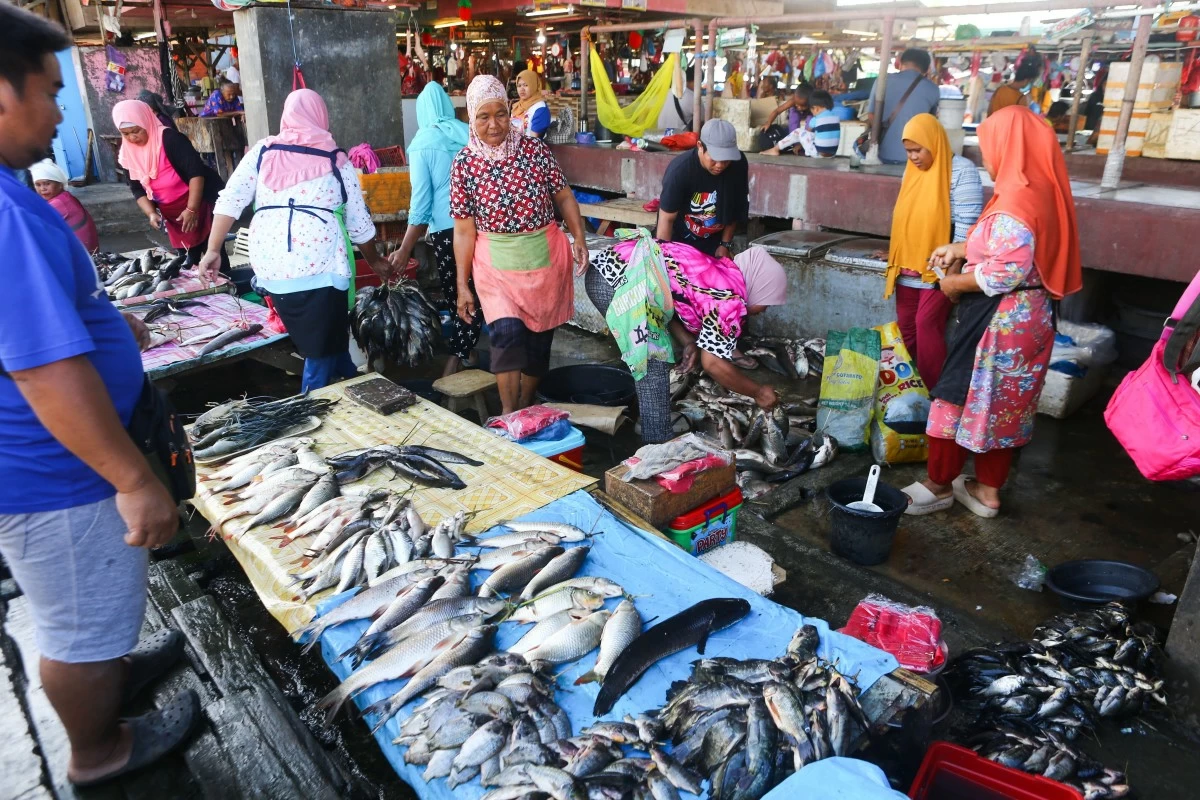
MARKET scene in Pigcawayan, Cotabato. (Keith Bacongco)
KIDAPAWAN CITY – Provincial governments in Central Mindanao have stepped up measures to cushion the public and local economy against the impact of the steep fuel price hikes from the conflict in the Middle East.
Cotabato Gov. Emmylou Taliño-Mendoza signed on Thursday, March 26, Executive Order No. 16 creating the Provincial Crisis Management Committee of the Province of Cotabato.
Through the executive order, Mendoza tasked the Provincial Crisis Management Committee (PCMC) to monitor the supply of food, fuel, and other basic commodities.
She urged the body to establish measures to prevent hoarding, profiteering, and supply manipulation of petroleum products.
“Ensure sufficient fuel supply for the consumption of critical sectors such as but not limited to health sector, law enforcement agencies, transportations, food sector, and rescue and response agencies,” the governor emphasized.
The directive urged the committee to recommend measures and policies for school and students welfare, support to small and medium-sized enterprises (SMEs), fisherfolk, farmers, public transport sector, and low-income workers.
In South Cotabato, Gov. Reynaldo Tamayo Jr. disclosed that the provincial government is reducing its fuel consumption by about 65 percent.
“The provincial government alone is consuming about 80,000 liters per month. And now were reducing it to 30,000 litres,” Tamayo said. “We have no problem with the price, but the volume of remaining supply. “
Amid austerity measures, Tamayo assured his constituents that the delivery of social services shall remain unhampered.
He emphasized that the provincial government is doing its best to protect the most vulnerable sectors in these times. “That’s the most important. We need to balance everything,”
Sultan Kudarat Gov. Datu Pax Ali Mangudadatu emphasized the urgent need to strengthen food security initiatives as it is the cornerstone of the province’s resilience amid the crisis.
In the recent Provincial Peace and Order Council meeting, Mangudadatu outlined key strategies focused on ensuring sustainable food production and supply.
He urged the agriculture sector to enhance seed banking programs to be able to preserve and distribute quality planting materials and continuous fingerlings distribution to support local fisheries and inland aquaculture.
The governor called for increased investment in poultry production to augment food availability and livelihood opportunities.
To boost the local economy, Mangudadatu urged his constituents to patronize locally produced goods and farm products.
“Strengthening local demand is vital in supporting farmers, micro-entrepreneurs, and small businesses, thereby ensuring that economic activities remain active and resilient within the province,” he stressed.
Mendoza, chairperson of the Regional Development Council (RDC) in Region 12, emphasized the importance of coordination and cooperation of concerned government agencies amid the impact of Middle East conflict on the regional economy.
“We must deepen our engagement with lawmakers in both the House of Representatives and the Senate to secure the necessary funding for our priority programs and projects," the governor urged members of the body during the RDC-12 meeting on March 25.