






Manila Bulletin
 Philippines
National
Zubiri hails signing of law resetting BARMM polls to September 2026
Philippines
National
Zubiri hails signing of law resetting BARMM polls to September 2026
Philippines
National
Zubiri hails signing of law resetting BARMM polls to September 2026
Zubiri hails signing of law resetting BARMM polls to September 2026
By Dhel Nazario
Published Mar 26, 2026 09:28 am


Senate Majority Leader Juan Miguel “Migz” Zubiri welcomed on Thursday, March 26, the signing of Republic Act No. 12317, resetting the first regular parliamentary elections in the Bangsamoro Autonomous Region in Muslim Mindanao.
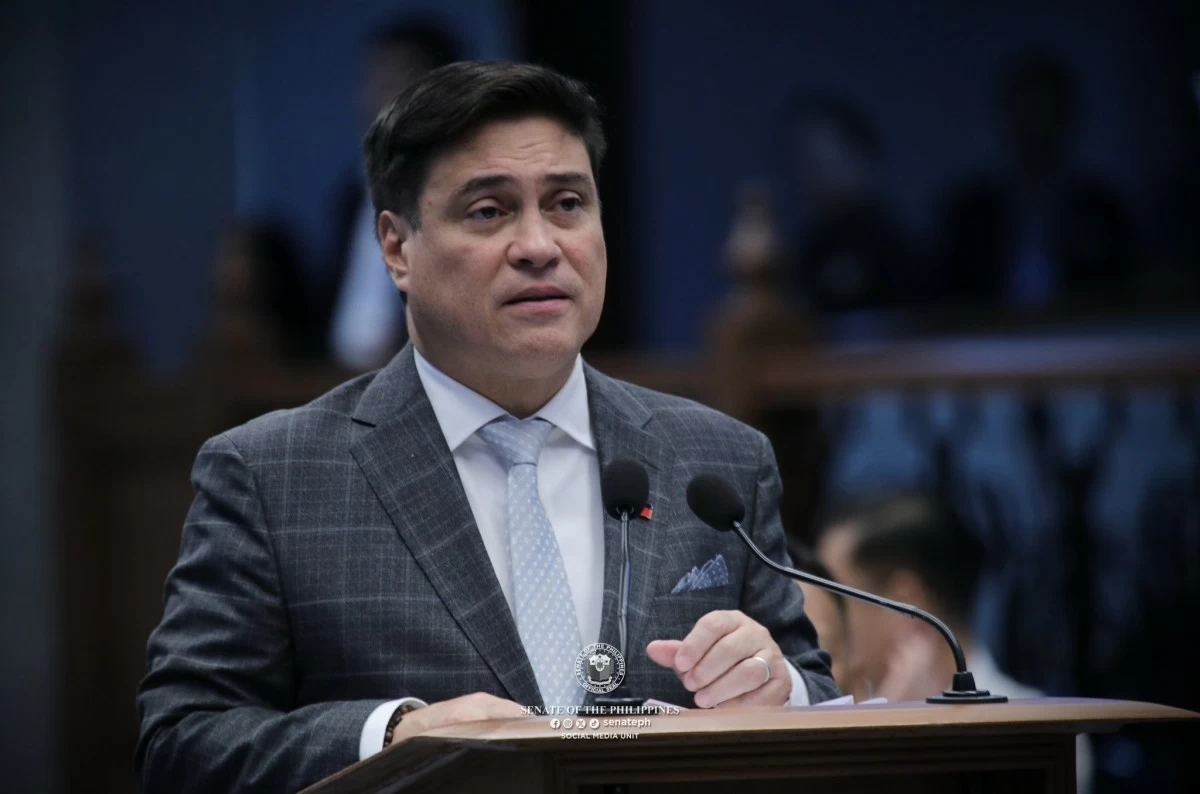
Senate Majority Leader Juan Miguel "Migz" Zubiri (Senate of the Philippines)
Zubiri said the law finally clears the way for the region to move out of a prolonged transition and into a government chosen by the people themselves.
“This law will finally open the door to a true, elected Bangsamoro Parliament. Kapag may tunay na mandato mula sa mga mamamayan ng mga namumuno sa pamahalaan, mas defined ang accountability, mas matatag ang demokrasya at mas malalim ang ugat ng kapayapaan (When those in government truly have a mandate from the people, accountability is more clearly defined, democracy is stronger, and the roots of peace run deeper)," he said.
Zubiri said the signing of the law gives real force to a promise that has been delayed for too long and now puts the Bangsamoro people closer to exercising, in full, their right to choose leaders who carry a direct mandate from the ballot box.
“Now that this law has been signed, the transition must give way to the people’s mandate. Hindi puwedeng laging extension ang sagot. Darating talaga tayo sa punto na ang dapat magsalita ay ang taumbayan ng Bangsamoro, at iyon na ang panahong ito (We will really reach a point where the people of Bangsamoro have to express themselves, and this is that time),” Zubiri, principal author and sponsor of the law, stressed.
The new law resets the first BARMM parliamentary elections to the second Monday of September this year and aligns the succeeding elections with the national and local polls in May 2031 and every three years thereafter, a timetable that Zubiri had pushed as both more practical and more faithful to the long-term design of the Bangsamoro Organic Law (BOL).
Zubiri, widely regarded as the "Father of the BOL," said the significance of the measure goes beyond election scheduling because it finally begins the shift from an appointed transition arrangement to an elected regional Parliament that will have to answer directly to the people of the Bangsamoro.
That, he said, is where self-determination becomes real and where peace gains a stronger democratic foundation.
He said the law also gives the region a rare chance to use a full parliamentary term to lay down institutions that are stable, credible, and focused on development instead of endless uncertainty over timelines and extensions.
“Ang susunod na hamon ngayon ay nasa mga lider na ihahalal ng mamamayan. Kailangan nilang patunayan na ang mandatong ibibigay sa kanila ay hindi masasayang sa pamumulitika o sa pansariling interes (The next challenge now lies with the leaders who will be elected by the people. They must prove that the mandate given to them will not be wasted on politics or personal interests)," Zubiri stated.
"This is their moment to show that an elected Bangsamoro Parliament can turn self-governance into something real: peace that lasts, institutions that work and progress that reaches ordinary families," he added.
The Bukidnon senator also pointed to the practical gains of the new election calendar, saying it helps avoid the cost and administrative burden of repeated standalone polls while giving BARMM a more predictable electoral cycle going forward.
He said that kind of stability is important not just for governance, but also for investor confidence, service delivery and long-term planning in the region.
“I hope our Bangsamoro brothers and sisters see this for what it is: a real chance to shape their own future through the ballot and through leaders they themselves choose,” Zubiri underscored.
Zubiri thanked President Ferdinand Marcos Jr. for signing the measure into law and said the next task now belongs to both government institutions and the Bangsamoro electorate to ensure a clean, peaceful, and credible electoral exercise that honors the spirit of the peace process and brings the region closer to lasting stability.