







SM to shorten mall hours amid energy crisis
Published Mar 26, 2026 06:54 pm


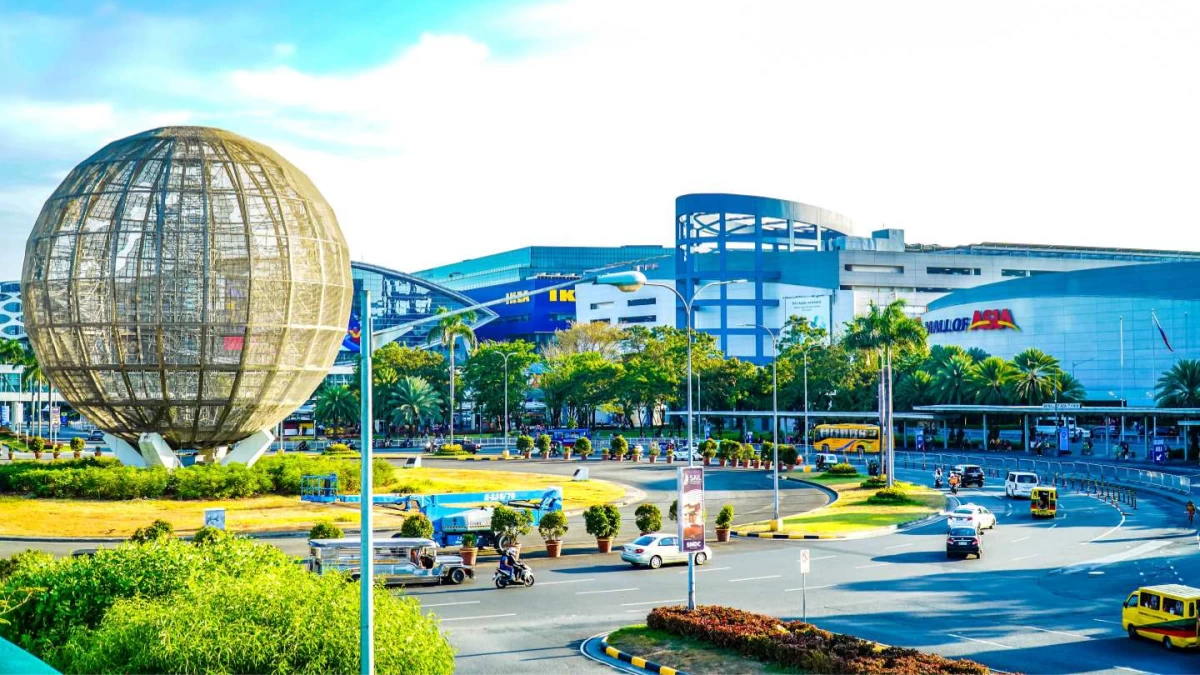
SM Supermalls will shorten operating hours across its locations starting March 30 as the country grapples with the declared national energy emergency.
In a statement, the retail unit of SM Prime Holdings Inc. said TSM Supermalls’ shopping centers will adjust their opening times to 11 a.m. from Monday to Friday, a delay from the standard 10 a.m. start. The decision follows Executive Order 110, issued by President Ferdinand Marcos Jr. on March 24, which placed the Philippines under a state of national energy emergency following global supply dislocations.
The shift is intended to alleviate pressure on the national grid during peak morning demand periods. SM Supermalls, which operates 90 malls in the country and averaged 115 million monthly visits last year, is one of the country’s single largest commercial consumers of electricity.
By pushing back opening hours, the company expects to contribute significantly to nationwide conservation efforts.
“SM is proactively adapting to the current situation by adjusting our operating hours,” Steven Tan, President of SM Supermalls, said. “We remain committed to delivering elevated retail experiences for all Filipinos, supported by our increased use of renewable energy to power our malls."
The energy emergency comes at a volatile time for the Philippine economy, with the peso trading near 60.10 per dollar and public debt reaching ₱18.13 trillion. The government has warned that surging global crude prices could push local diesel costs to ₱200 per liter, further straining the operational overhead of large-scale commercial developers.
SM Prime, the parent company, previously announced a ₱100 billion capital expenditure plan for 2026, aimed at opening four new malls this year.
While the shortened hours may impact morning foot traffic, the company has been aggressive in its rollout of rooftop solar systems to mitigate grid dependency.
SM currently holds the largest clean energy capacity among Philippine property developers, generating enough solar power to support the requirements of cities the size of Mandaue or Mabalacat.