






Manila Bulletin
 Business
The Stock Market
Shell Pilipinas profit jumps 69% as car, truck fleets drive growth
Business
The Stock Market
Shell Pilipinas profit jumps 69% as car, truck fleets drive growth
Business
The Stock Market
Shell Pilipinas profit jumps 69% as car, truck fleets drive growth
Shell Pilipinas profit jumps 69% as car, truck fleets drive growth
Published Mar 26, 2026 01:59 pm


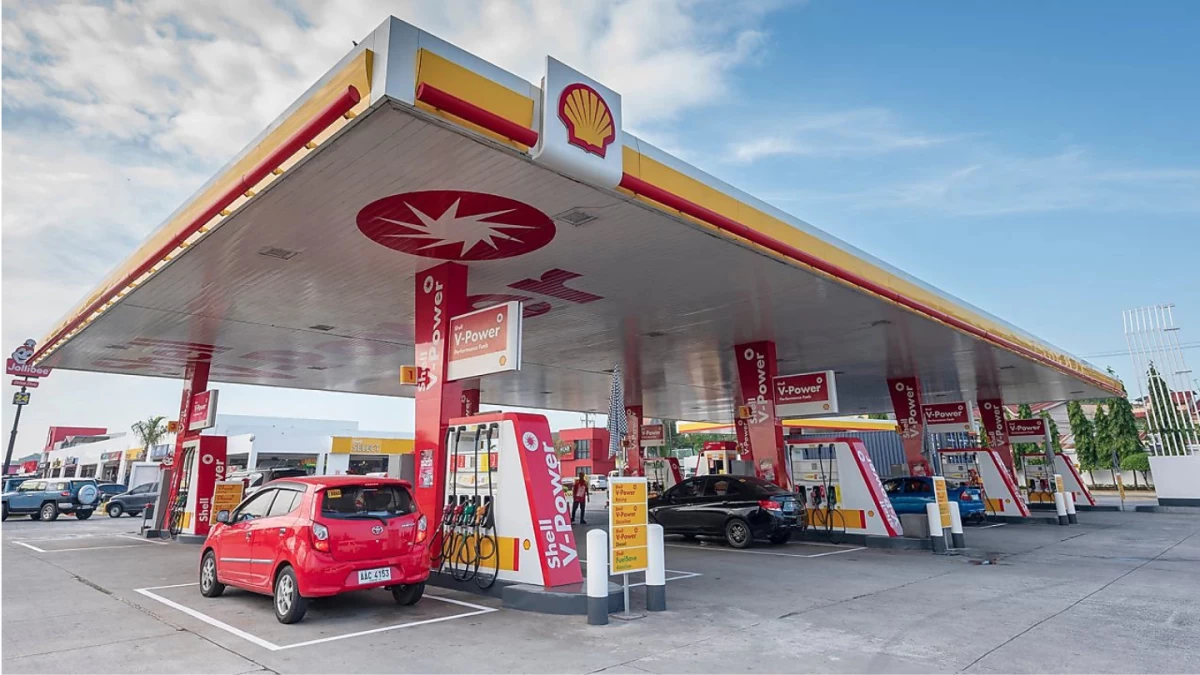
Shell Pilipinas Corp. reported a 69 percent surge in full-year net income for last year, overcoming volatility in global oil markets through a shift toward high-margin commercial segments and leaner logistics.
In a disclosure to the Philippine Stock Exchange on Thursday, March 26, Shell Pilipinas announced that the fuel retailer booked a net profit of ₱2.1 billion in Janaury to December 2025, up from nearly ₱1.3 billion in 2024.
Shell Pilipinas’ core earnings, which strip out one-time items and inventory valuation impacts, rose 28 percent to ₱3.3 billion, reflecting what the company described as a more “resilient” operational framework.
While the broader fuel business saw modest two percent growth in earnings, the bottom line was bolstered by a strategic pivot toward business-to-business (B2B) accounts and an optimized supply chain.
Shell Pilipinas’ fleet solutions division recorded an 11 percent increase in volumes, aided by new corporate partnerships, while its non-fuel retail arm—which includes lubricants and convenience store alliances—posted a matching 11 percent rise in revenue.
The company’s infrastructure investments are beginning to yield structural cost savings. In Mindanao, the Davao import facility helped reduce logistics expenses and provided greater supply flexibility, allowing the firm to capture more market share in the southern Philippines.
To sustain this momentum, Shell Pilipinas reiterated plans to invest between ₱2 billion and ₱3 billion this year to upgrade its Batangas facilities. The Tabangao terminal, which has a 263 million-liter capacity, remains the centerpiece of its post-refinery strategy, serving as the primary hub for the capital region’s fuel requirements.
Lorelie Quiambao Osial, Shell president and chief executive officer, said the company is tightening its grip on costs as geopolitical tensions in the Middle East threaten to disrupt global energy pricing.
Osial noted that the company’s sharpened focus on disciplined working capital and integrated channel growth is intended to buffer the balance sheet against external shocks.
The results signal a continued recovery for the local unit of Shell plc, which has spent the last several years pivoting its business model following the 2020 closure of its Tabangao refinery.
By transforming the site into a world-class import terminal, the company has lowered its exposure to refining margin volatility, choosing instead to focus on retail expansion and premium fuel offerings.