






 Business
The Economy
Power market halted as energy emergency triggers sweeping measures
Business
The Economy
Power market halted as energy emergency triggers sweeping measures
Power market halted as energy emergency triggers sweeping measures


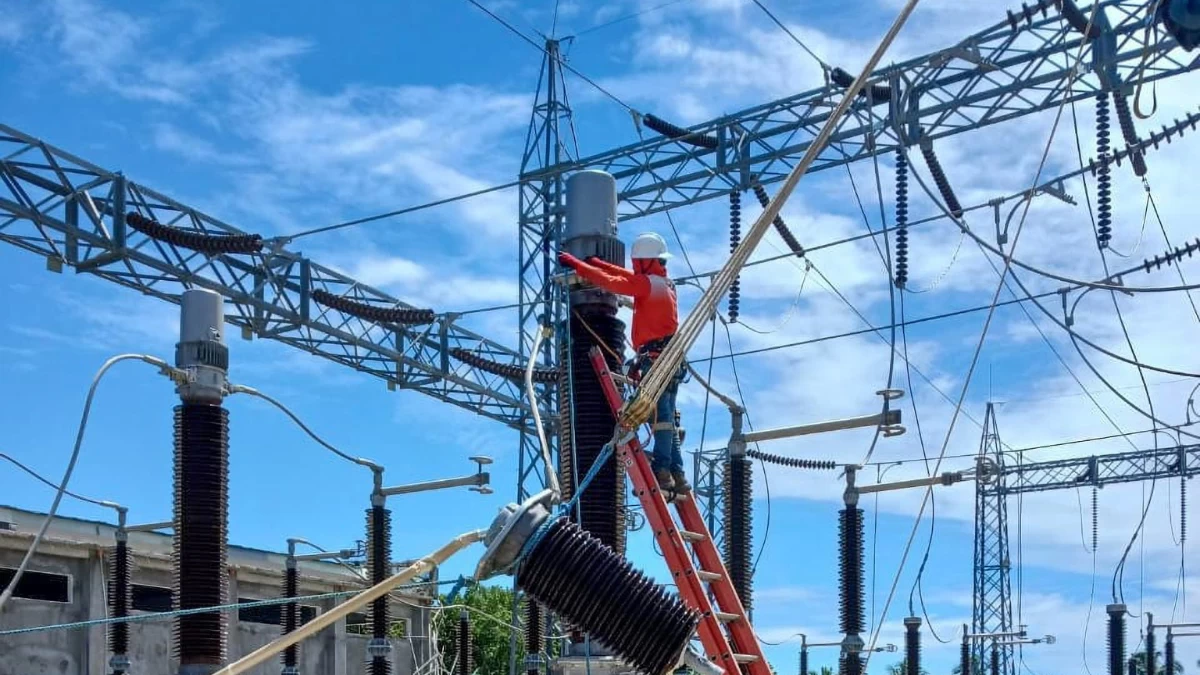
With the country now under a state of national energy emergency, regulators have moved swiftly to contain the impact of surging global fuel prices, suspending the power spot market and rolling out emergency measures to stabilize electricity supply and prices.
To reduce supply risks amid the persistent Middle East conflict, the Department of Energy (DOE) and the Energy Regulatory Commission (ERC) have ordered measures to safeguard consumers from intensifying price volatility.
In a statement on Thursday, March 26, the ERC said it has ordered the suspension of the Wholesale Electricity Spot Market (WESM) nationwide, with the power system to operate under a special dispatch guideline imposed by the DOE. The measure aims to prioritize the dispatch of available renewable energy (RE) capacity, secure critical fuel inventories amid global supply disruptions, and establish an operational framework for system dispatch.
These actions are aimed at balancing consumer protection from bill shocks while maintaining a financially viable environment for generators.
During the market suspension, regulators will implement a modified administered pricing (AP) mechanism that uses “technology-based” pricing to reflect current fuel costs while ensuring power generators continue operating.
Under this program, coal plants may be paid at a fixed rate, natural gas plants under contracted prices, while RE sources such as hydropower and geothermal will be managed through administered pricing with preferential dispatch. Oil-powered plants, on the other hand, will be compensated based on administered prices.
The ERC said adopting a modified pricing mechanism is necessary, as historical market prices from January and February—typically used as the basis for administered prices under existing rules—no longer reflect current conditions due to fuel supply constraints brought about by the intense geopolitical climate.
ERC Chairperson Francis Saturnino Juan said the move would help ensure both stable supply and reasonable pricing.
“The temporary suspension of the WESM and the implementation of a modified administered pricing mechanism are necessary measures to cushion the impact of volatile fuel prices and safeguard the integrity of our power system,” he said.
The Independent Electricity Market Operator of the Philippines (IEMOP) and National Grid Corp. of the Philippines (NGCP) have been directed to comply with these interim measures.
To further reduce exposure to supply strains, the DOE reiterated the need to maximize the use of RE, indigenous sources, and the full dispatch of coal-fired power plants to help lower electricity costs by increasing available capacity.
“As a net importer of oil, coal, and liquefied natural gas (LNG), we are acting with heightened discipline to preserve power system reliability in the face of escalating global fuel market volatility,” said Energy Secretary Sharon Garin.
Beyond the power sector, the DOE is also advancing an emergency energy security program backed by a ₱20-billion fund to procure refined petroleum products, augment liquefied petroleum gas (LPG) supply, and build up domestic fuel inventories to as much as two million barrels.
The budget will be allocated to the Philippine National Oil Co. (PNOC) and PNOC Exploration Corp. (PNOC-EC), in coordination with the Department of Budget and Management (DBM). Authorities have yet to release a detailed breakdown and timeline for the implementation of these financing activities.