






Manila Bulletin
 Philippines
National
No major peace and order disruption in 1st day of transport strike, PNP says
Philippines
National
No major peace and order disruption in 1st day of transport strike, PNP says
Philippines
National
No major peace and order disruption in 1st day of transport strike, PNP says
No major peace and order disruption in 1st day of transport strike, PNP says
Published Mar 26, 2026 03:22 pm


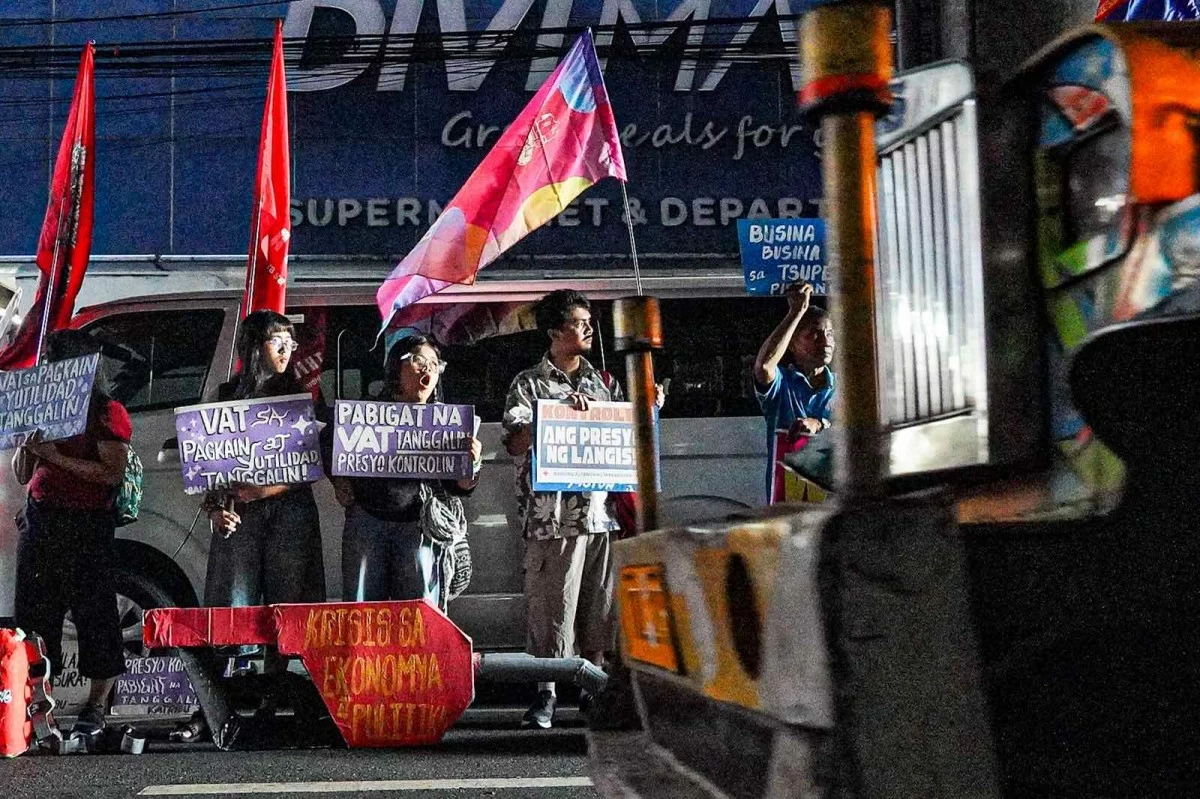
The No To Oil Price Hike Coalition, transport groups, and other PUV drivers officially launch a two-day transport strike at LRT Cubao, Quezon City on Thursday, March 26, 2026, opposing rising fuel costs. Protesters call for urgent government intervention amid continuing oil price increases.(John Louie Abrina)
The Philippine National Police (PNP) has not monitored any significant incidents that threatened peace and order during the first day of the two-day transport strike launched to protest the rising fuel prices.
PNP chief Gen. Jose Melencio C. Nartatez, Jr. said police units in Metro Manila and other areas across the country were alerted beforehand of the planned strike and were tasked to prepare contingency plans to ensure peace and order and even assist stranded commuters.
“We have deployed our personnel nationwide with a heavy focus on Metro Manila. Our mobility assets are also on standby in case there is a need to offer free rides to stranded commuters,” said Nartatez.
The free rides initiative is meant to ease the travel burden for those who depend on public transport during the strike.
A coalition of transport groups, urban poor organizations, and progressive groups will join a two-day nationwide transport strike starting March 26 to protesting rising fuel prices.
Participating groups include Manibela, SANLAKAS, Bukluran ng Manggagawang Pilipino (BMP), and Partido Lakas ng Masa (PLM), with demonstrations planned in Metro Manila, Luzon, Visayas, and Mindanao.
Maj. Hazel Asilo, spokesperson of the National Capital Region Police Office (NCRPO), said they monitored 140 persons holding strikes in some areas of Metro Manila as of 3 a.m. on Thursday.
He said stranded commuters were monitored but NCRPO vehicles were deployed to assist as early as 5 a.m. along with around 2,700 policemen.
Nartatez ordered his ground commanders to station personnel in key transport hubs and known strike hotspots. The deployment includes the mandatory use of body-worn cameras to ensure transparency during interactions with protesters.
“My instruction to our personnel is to continue exercising maximum tolerance,” said Nartatez, as he appealed to protesters for a peaceful exercise of their rights.