






Manila Bulletin
 Philippines
Metro Manila
'Nakakapanglambot maging tsuper': Drivers cry for survival as diesel hits record highs
Philippines
Metro Manila
'Nakakapanglambot maging tsuper': Drivers cry for survival as diesel hits record highs
Philippines
Metro Manila
'Nakakapanglambot maging tsuper': Drivers cry for survival as diesel hits record highs
'Nakakapanglambot maging tsuper': Drivers cry for survival as diesel hits record highs
Published Mar 26, 2026 09:27 am


For jeepney drivers, "tigil‑pasada" was more than a protest; it was a desperate cry for survival.
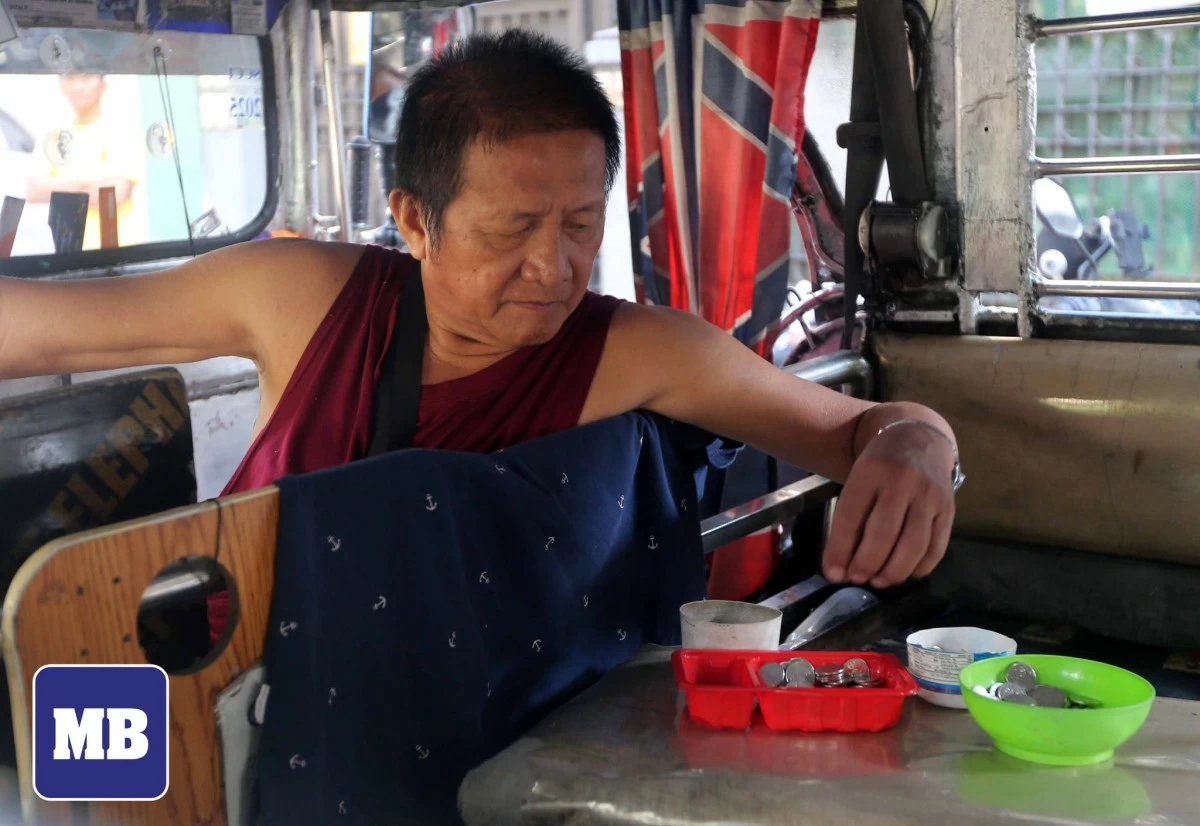
Elvis Esteban, 63, a jeepney driver on the Guadalupe–Taft route, prepares his vehicle before a long day on the road on Thursday, March 12. With diesel prices soaring, Esteban carefully checks his jeepney and counts coins, hoping to stretch his usual daily earnings amid rising fuel costs. (Photo taken by Mark Balmores/MANILA BULLETIN)
Thousands of commuters were left stranded along España Boulevard, Quiapo, Taft Avenue, and other major thoroughfares in Manila, as members of MANIBELA halted operations, highlighting the human cost of soaring diesel prices.
“Nakakapanglambot maging tsuper sa sobrang taas ng presyo ng diesel. Walang kita maghapong pamamasada sa taas ng diesel. Kung ganoon, mas mabuti pang umupo na lang sa bahay (Being a driver is so discouraging with diesel prices this high. There’s no earnings from a whole day of driving with diesel this expensive. If that’s the case, it’s better just to stay home)," lamented one jeepney operator, visibly frustrated.
With diesel hitting P132 per liter, many drivers report that a full day on the road barely covers fuel costs, let alone food or daily expenses.
Some commuters found temporary relief through free rides provided by government agencies.
Still, drivers stress that these are only short-term solutions, while slow and unreliable fuel subsidies leave them waiting for weeks or months for promised aid.
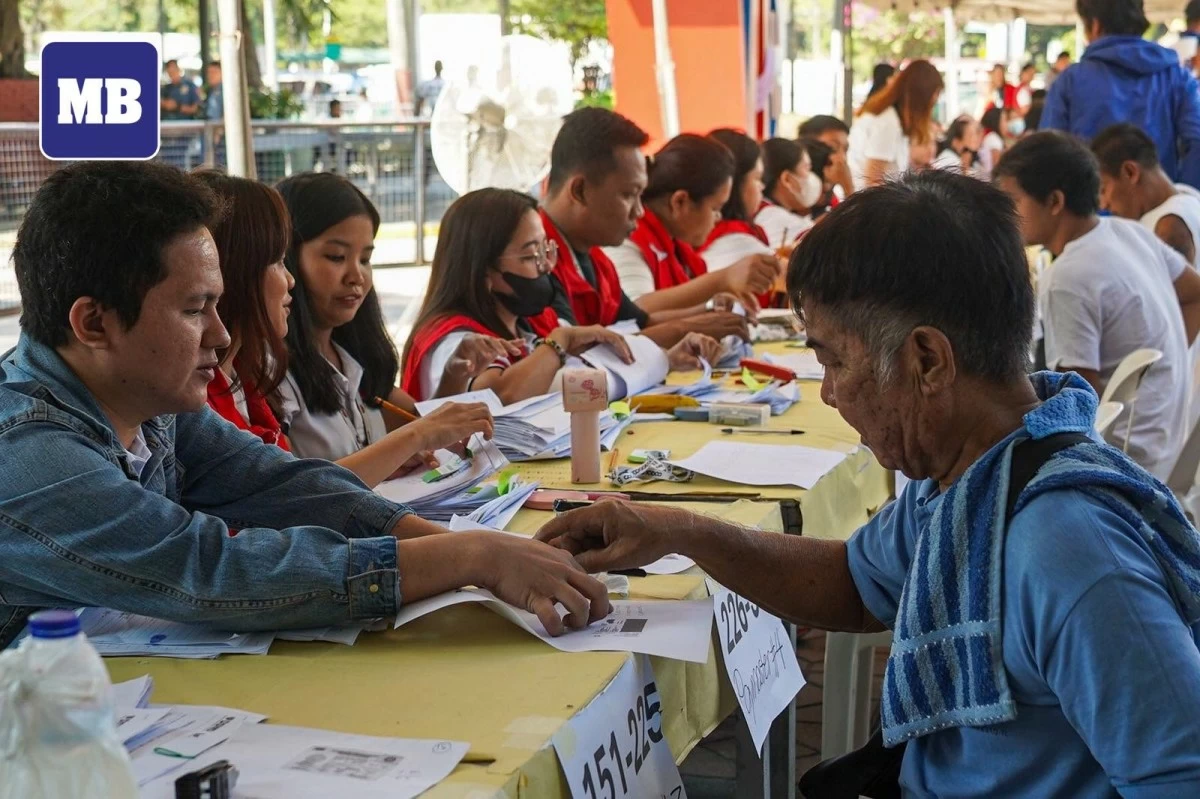
Jeepney drivers line up to receive a P5,000 fuel subsidy from the Department of Social Welfare and Development on Wednesday, March 25, at Kartilya ng Katipunan in Manila. The aid is part of the government’s program to ease the burden of rising fuel costs, following President Ferdinand R. Marcos Jr.’s directive. (Photo taken by John Louie Abrina/MANILA BULLETIN)
Transport leaders of MANIBELA and PISTON warn that, unless timely interventions, such as subsidies or fare adjustments, are implemented, strikes may continue, leaving commuters in uncertainty and drivers struggling to survive.
They said the protest also serves as a reminder that the human cost of rising fuel prices is measured not in numbers, but in empty wallets and broken daily routines.