







Gov't moves closer to ₱50 cap on imported rice


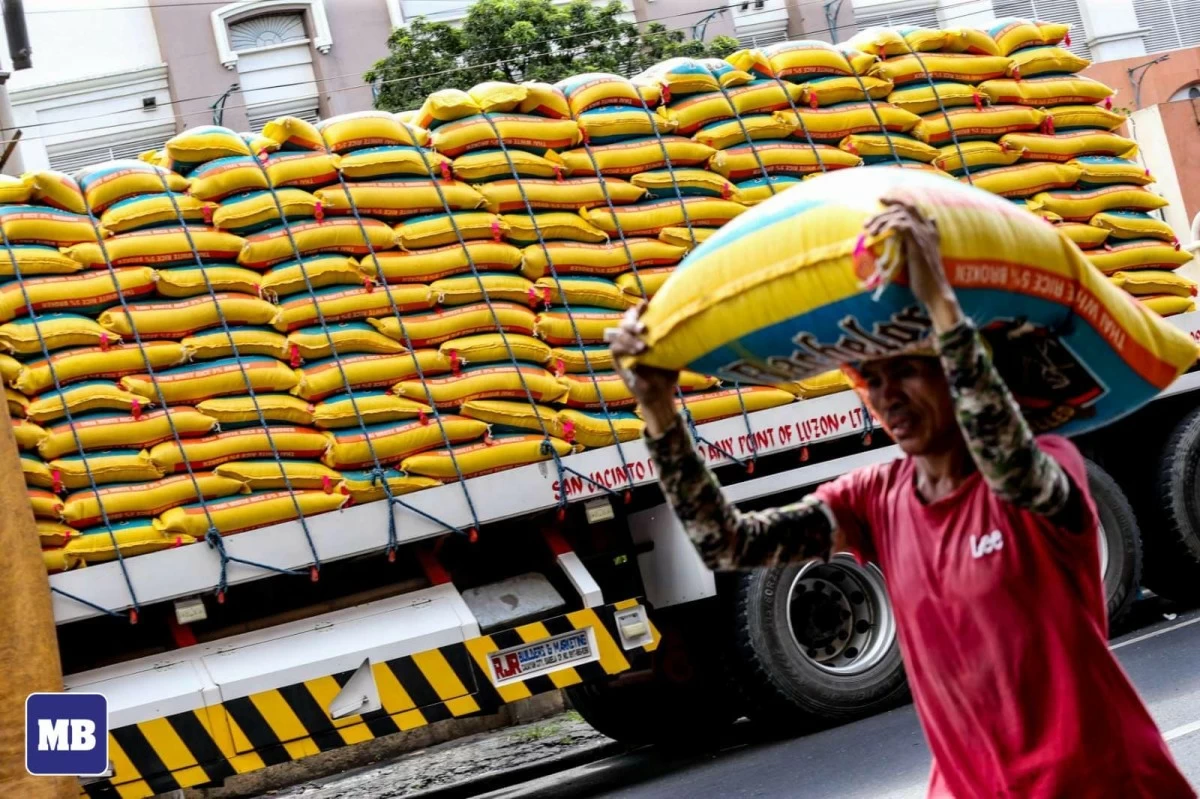
The government is now one step away from imposing a price ceiling of ₱50 per kilo on imported rice after the proposed policy received the recommendation of the interagency National Price Coordinating Council (NPCC).
In a statement on Thursday, March 26, NPCC said it is adopting the Department of Agriculture’s (DA) proposal to implement a price cap on five-percent broken imported rice, the most commonly consumed variety of the imported staple.
The price limit, which seeks to curb unreasonable price increases and prevent market abuse, will be in effect for 30 days.
“NPCC hereby endorses to the President the issuance of the necessary executive order (EO) to ensure affordable rice for Filipino consumers while maintaining market stability,” it said.
The council, chaired by the Department of Trade and Industry (DTI), said the measure is consistent with the newly signed Executive Order (EO) No. 110, which placed the country under a state of national energy emergency.
Under the order, the DA is given the responsibility to take the “necessary measures” to maintain the availability of food products “at the lowest possible cost.”
Last week, Agriculture Secretary Francisco Tiu Laurel floated the prospect of implementing a price cap to keep commodity prices stable, following reports that imported rice is now selling for ₱60 to ₱65 per kilo.
Tiu Laurel said rice shipments, particularly from Vietnam, have seen freight costs double due to fuel price hikes caused by supply disruptions in the Middle East.
The Philippines relies heavily on Vietnam for its rice imports, having already brought in 871,393 metric tons (MT) from the Southeast Asian country as of March 19, nearly 86 percent of the total import volume.
Once implemented, Agriculture Assistant Secretary Arnel de Mesa said the price cap will also allow the government to hold accountable those found to have exceeded the ₱50-per-kilo limit.
“We are now awaiting the issuance of the [EO] to make this price cap effective… [including] what will be the punishment for those who do not comply with the said price cap,” he said in a television interview.
Once President Ferdinand “Bongbong” Marcos Jr. signs the EO, it will make the price cap effective.
Tiu Laurel earlier said that the DA may also move to recommend a price cap on locally produced rice, but only after the harvest season to prevent a decline in farmgate prices in palay.