






Manila Bulletin
 Business
The Stock Market
SM's geothermal arm ramps up capacity as Middle East tensions flare
Business
The Stock Market
SM's geothermal arm ramps up capacity as Middle East tensions flare
Business
The Stock Market
SM's geothermal arm ramps up capacity as Middle East tensions flare
SM's geothermal arm ramps up capacity as Middle East tensions flare
Published Mar 25, 2026 03:26 pm


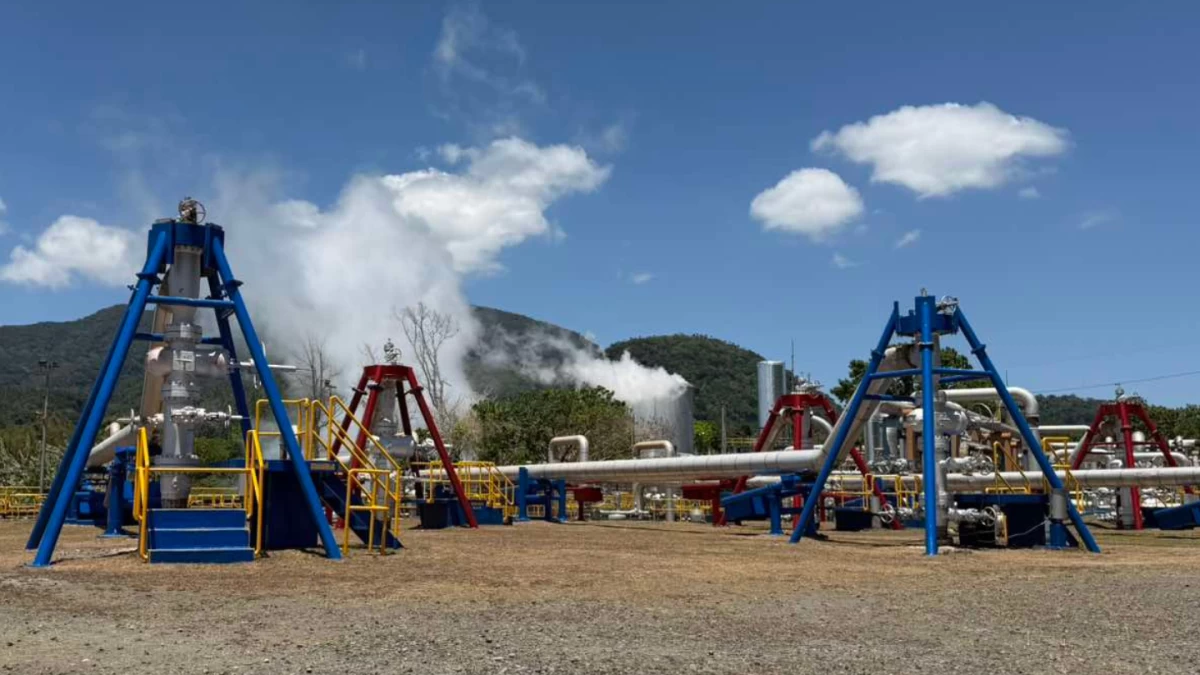
Philippine Geothermal Production Co. (PGPC), the renewable energy arm of SM Investments Corp., is accelerating development of its domestic steam fields to buffer the Philippines from volatile global energy prices as conflict in the Middle East threatens fuel supply chains.
In a briefing on Tuesday, March 24, Napoleon Saporsantos, PGPC president, said the company is targeting an increase in geothermal capacity by as much as 400 megawatts, adding to its current portfolio of nearly 700 megawatts.
The expansion is part of a broader strategy to bolster indigenous baseload energy and reduce the national grid’s reliance on imported coal and natural gas, which remain sensitive to logistical disruptions and price spikes.
Saporsantos said that optimizing local operations is essential to maintaining energy security. By keeping a steady supply of locally generated power and bringing new wells online, the company aims to help the country avoid additional fuel imports.
The push for domestic energy comes at a critical time for the Philippines. Energy officials are wary of thinning power reserves as the dry season approaches, a period when electricity demand typically surges due to increased cooling needs.
Saporsantos noted that the company has implemented restrictions on plant maintenance to ensure continuous output. There will be no planned shutdowns of its facilities until the current geopolitical tensions in the Middle East are resolved, he said.
However, the timeline for new capacity remains subject to global headwinds. While a typical geothermal facility takes between three and five years to develop, Saporsantos cautioned that the "backlash" of the Middle East crisis has made it difficult to guarantee standard working schedules.
To provide immediate relief to the grid, PGPC is expediting workovers on two existing wells and the drilling of an additional well at its Tiwi plant in Albay. These projects are expected to contribute an additional 20 to 30 megawatts of power once operational.
PGPC currently operates two major assets: the 234-megawatt Tiwi project and the 448-megawatt Mak-Ban geothermal facility located in Batangas. Both plants supply steam to AP Renewables Inc., a unit of Aboitiz Power Corp., which generates electricity for the Luzon and Visayas grids.
The Sy family’s SM Investments acquired full ownership of PGPC in 2022, signaling a pivot toward more aggressive investment in the country’s renewable energy landscape. As the Philippines seeks to increase the share of renewables in its energy mix to 35 percent by 2030, geothermal remains a cornerstone of its strategy due to its ability to provide constant, non-intermittent power.