ADVERTISEMENT

Roblox may be blocked in the Philippines as CICC urges telcos to act

Platform given 15 days to address online child protection concerns or face nationwide restrictions

Published Mar 25, 2026 09:45 am
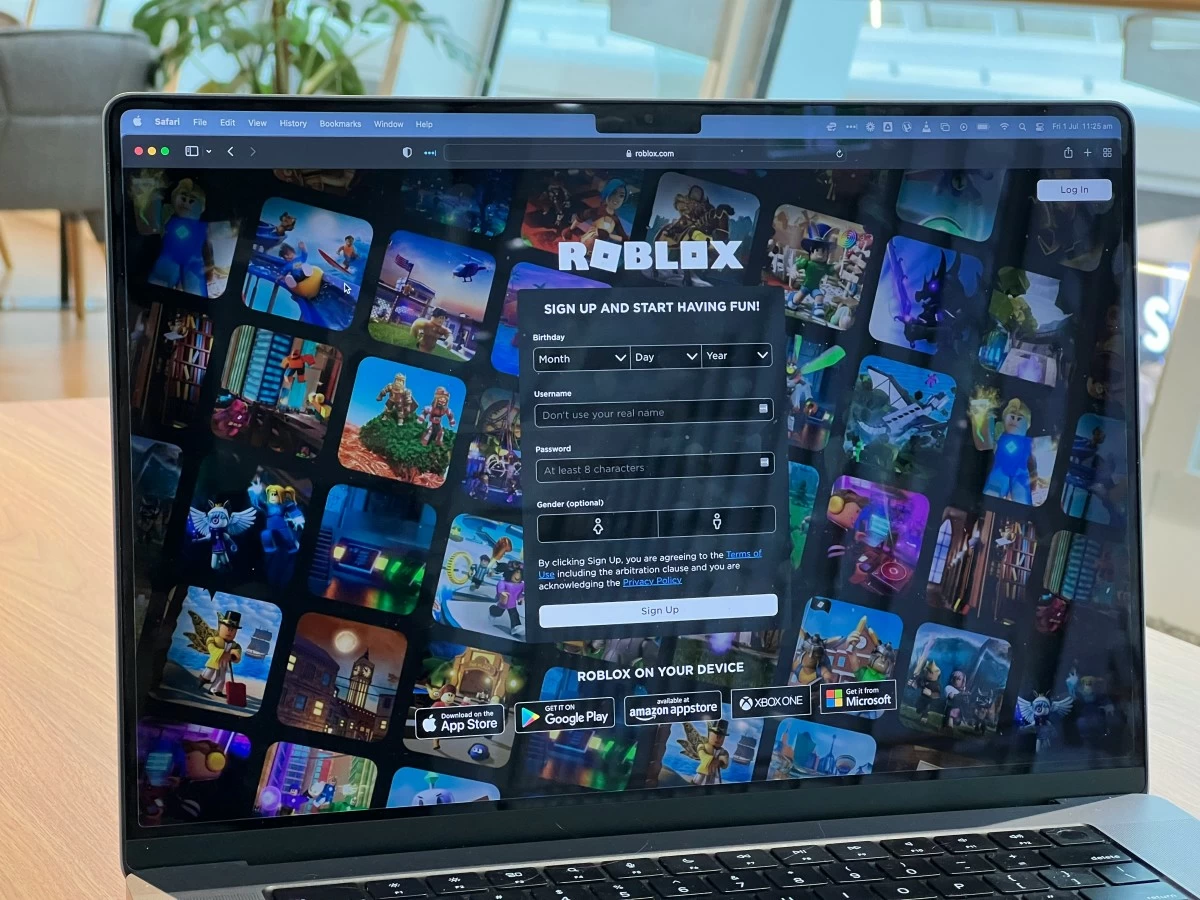
Philippine regulators give Roblox 15 days to address child safety concerns as Cybercrime Investigation and Coordinating Center (CICC) urged telcos to prepare for possible nationwide platform restrictions or blocking. (Unsplash photo)
The Philippine government is eyeing restrictions on Roblox, placing child safety at the center of its online crackdown, after the Cybercrime Investigation and Coordinating Center (CICC) urged telcos to prepare for a potential nationwide block.
In a statement issued Wednesday, March 25, CICC said the platform has been given 15 days to address mounting child protection concerns or face being taken offline across the country.
CICC added that telecommunication companies have also committed to ensuring the effective blocking of the popular gaming platform Roblox, in line with government directives aimed at strengthening online child protection.
The assurance followed a high-level meeting on March 24 in Quezon City involving the CICC, the National Telecommunications Commission (NTC), and major local telcos.
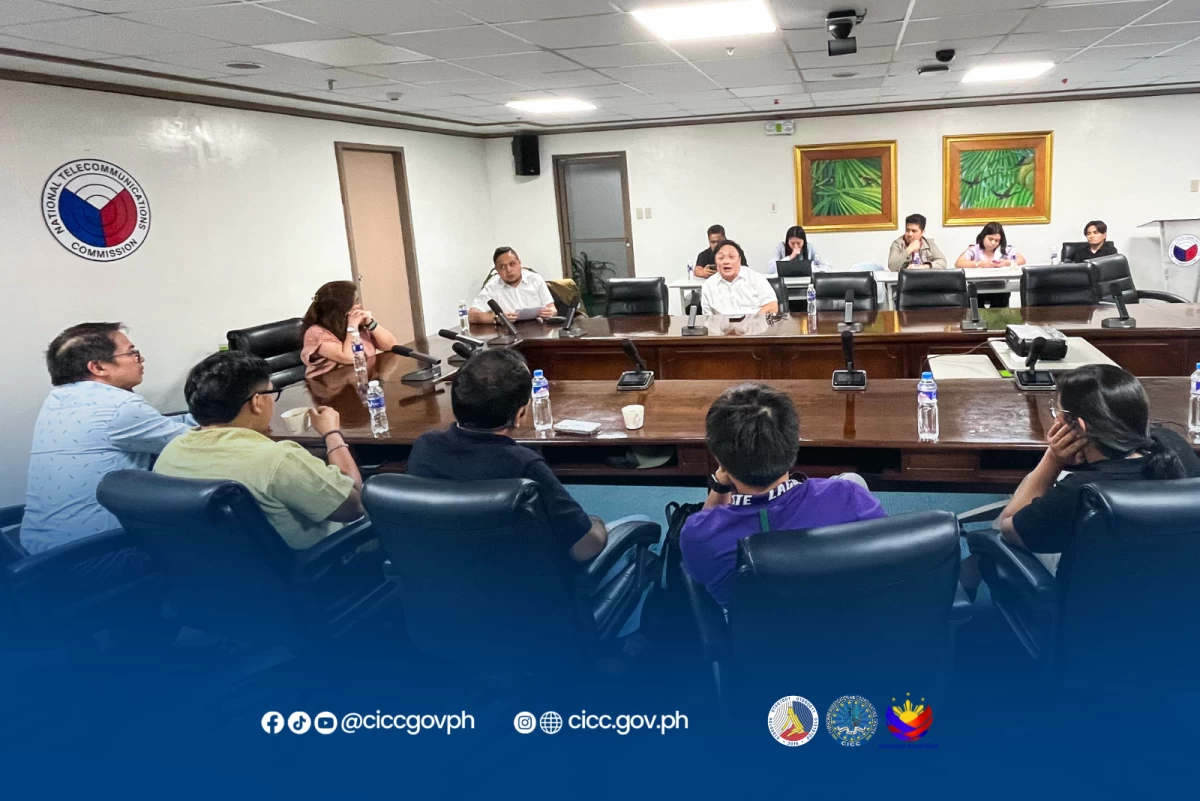
Officials from the Cybercrime Investigation and Coordinating Center, National Telecommunications Commission, and major Philippine telcos meet in Quezon City on March 24 to coordinate enforcement measures on online platform restrictions and strengthen child safety protections. (CICC)
During the meeting, the CICC said industry players agreed to comply with regulatory measures that would restrict access to Roblox and similar platforms found to pose risks to minors.
Government pushes for online safety
The CICC said the move is anchored on enforcing Philippine laws that safeguard children from online exploitation and harmful digital content.
Authorities cited Roblox’s alleged failure to adequately address serious risks affecting young users, including exposure to illicit activities.
CICC Executive Director Undersecretary Renato “Aboy” Paraiso revealed that the agency had previously issued a 30-day ultimatum to Roblox, requiring the company to respond to concerns over reported cases involving pedophiles and drug traffickers targeting underage users on the platform.
However, due to the urgency of the situation, the CICC shortened the compliance window to 15 days.
“Kaya binigyan na lang namin sila ng (We gave them) 15 days to reach out to the government, the DICT, and the CICC in particular, to discuss why we shouldn’t restrict their platform in the Philippine jurisdiction,” Paraiso said.
“Not only harmful but illegal content is present on their platform,” he added.
Possible platform restrictions
Failure by Roblox to coordinate with Philippine authorities could lead to stricter enforcement measures, including nationwide access restrictions implemented through telecom networks.
The coordinated response signals a stronger regulatory stance on digital platforms operating in the country, particularly those with large youth user bases.
Call for parental vigilance
Alongside regulatory actions, the CICC urged parents and guardians to take a proactive role in monitoring their children’s online behavior.
Authorities emphasized that ensuring child safety is a shared responsibility among the government, private sector, and families—especially as digital platforms continue to evolve.
Broader implications for digital platforms
The development highlights increasing scrutiny of online platforms in the Philippines, particularly in terms of content moderation, user safety, and compliance with local laws.
It also underscores the government’s readiness to collaborate with telecom providers to enforce digital governance policies when necessary.
As the deadline for Roblox approaches, industry observers and other stakeholders are closely watching whether the platform will engage with regulators—or face potential restrictions in one of Southeast Asia’s fastest-growing digital markets.

Related Tags

Roblox Philippines CICC Roblox block online child safety Philippines Roblox ban Philippines telcos Philippines Roblox digital platform regulation PH child protection online Philippines
ADVERTISEMENT
.most-popular .layout-ratio{ padding-bottom: 79.13%; } @media (min-width: 768px) and (max-width: 1024px) { .widget-title { font-size: 15px !important; } }

{{ articles_filter_1561_widget.title }}

.most-popular .layout-ratio{ padding-bottom: 79.13%; } @media (min-width: 768px) and (max-width: 1024px) { .widget-title { font-size: 15px !important; } }

{{ articles_filter_1562_widget.title }}

.most-popular .layout-ratio{ padding-bottom: 79.13%; } @media (min-width: 768px) and (max-width: 1024px) { .widget-title { font-size: 15px !important; } }

{{ articles_filter_1563_widget.title }}

{{ articles_filter_1564_widget.title }}

.mb-article-details { position: relative; } .mb-article-details .article-body-preview, .mb-article-details .article-body-summary{ font-size: 17px; line-height: 30px; font-family: "Libre Caslon Text", serif; color: #000; } .mb-article-details .article-body-preview iframe , .mb-article-details .article-body-summary iframe{ width: 100%; margin: auto; } .read-more-background { background: linear-gradient(180deg, color(display-p3 1.000 1.000 1.000 / 0) 13.75%, color(display-p3 1.000 1.000 1.000 / 0.8) 30.79%, color(display-p3 1.000 1.000 1.000) 72.5%); position: absolute; height: 200px; width: 100%; bottom: 0; display: flex; justify-content: center; align-items: center; padding: 0; } .read-more-background a{ color: #000; } .read-more-btn { padding: 17px 45px; font-family: Inter; font-weight: 700; font-size: 18px; line-height: 16px; text-align: center; vertical-align: middle; border: 1px solid black; background-color: white; } .hidden { display: none; }
function initializeAllSwipers() { // Get all hidden inputs with cms_article_id document.querySelectorAll('[id^="cms_article_id_"]').forEach(function (input) { const cmsArticleId = input.value; const articleSelector = '#article-' + cmsArticleId + ' .body_images'; const swiperElement = document.querySelector(articleSelector); if (swiperElement && !swiperElement.classList.contains('swiper-initialized')) { new Swiper(articleSelector, { loop: true, pagination: false, navigation: { nextEl: '#article-' + cmsArticleId + ' .swiper-button-next', prevEl: '#article-' + cmsArticleId + ' .swiper-button-prev', }, }); } }); } setTimeout(initializeAllSwipers, 3000); const intersectionObserver = new IntersectionObserver( (entries) => { entries.forEach((entry) => { if (entry.isIntersecting) { const newUrl = entry.target.getAttribute("data-url"); if (newUrl) { history.pushState(null, null, newUrl); let article = entry.target; // Extract metadata const author = article.querySelector('.author-section').textContent.replace('By', '').trim(); const section = article.querySelector('.section-info ').textContent.replace(' ', ' '); const title = article.querySelector('.article-title h1').textContent; // Parse URL for Chartbeat path format const parsedUrl = new URL(newUrl, window.location.origin); const cleanUrl = parsedUrl.host + parsedUrl.pathname; // Update Chartbeat configuration if (typeof window._sf_async_config !== 'undefined') { window._sf_async_config.path = cleanUrl; window._sf_async_config.sections = section; window._sf_async_config.authors = author; } // Track virtual page view with Chartbeat if (typeof pSUPERFLY !== 'undefined' && typeof pSUPERFLY.virtualPage === 'function') { try { pSUPERFLY.virtualPage({ path: cleanUrl, title: title, sections: section, authors: author }); } catch (error) { console.error('ping error', error); } } // Optional: Update document title if (title && title !== document.title) { document.title = title; } } } }); }, { threshold: 0.1 } ); function showArticleBody(button) { const article = button.closest("article"); const summary = article.querySelector(".article-body-summary"); const body = article.querySelector(".article-body-preview"); const readMoreSection = article.querySelector(".read-more-background"); // Hide summary and read-more section summary.style.display = "none"; readMoreSection.style.display = "none"; // Show the full article body body.classList.remove("hidden"); } document.addEventListener("DOMContentLoaded", () => { let loadCount = 0; // Track how many times articles are loaded const offset = [1, 2, 3, 4, 5, 6, 7, 8, 9, 10]; // Offset values const currentUrl = window.location.pathname.substring(1); let isLoading = false; // Prevent multiple calls if (!currentUrl) { console.log("Current URL is invalid."); return; } const sentinel = document.getElementById("load-more-sentinel"); if (!sentinel) { console.log("Sentinel element not found."); return; } function isSentinelVisible() { const rect = sentinel.getBoundingClientRect(); return ( rect.top < window.innerHeight && rect.bottom >= 0 ); } function onScroll() { if (isLoading) return; if (isSentinelVisible()) { if (loadCount >= offset.length) { console.log("Maximum load attempts reached."); window.removeEventListener("scroll", onScroll); return; } isLoading = true; const currentOffset = offset[loadCount]; window.loadMoreItems().then(() => { let article = document.querySelector('#widget_1690 > div:nth-last-of-type(2) article'); intersectionObserver.observe(article) loadCount++; }).catch(error => { console.error("Error loading more items:", error); }).finally(() => { isLoading = false; }); } } window.addEventListener("scroll", onScroll); });

Sign up by email to receive news.