






Manila Bulletin
 Business
The Economy
Dominguez: Solving oil crisis could be harder than fighting Covid
Business
The Economy
Dominguez: Solving oil crisis could be harder than fighting Covid
Business
The Economy
Dominguez: Solving oil crisis could be harder than fighting Covid
Dominguez: Solving oil crisis could be harder than fighting Covid
Published Mar 25, 2026 12:17 pm
|
Updated Mar 25, 2026 06:56 pm


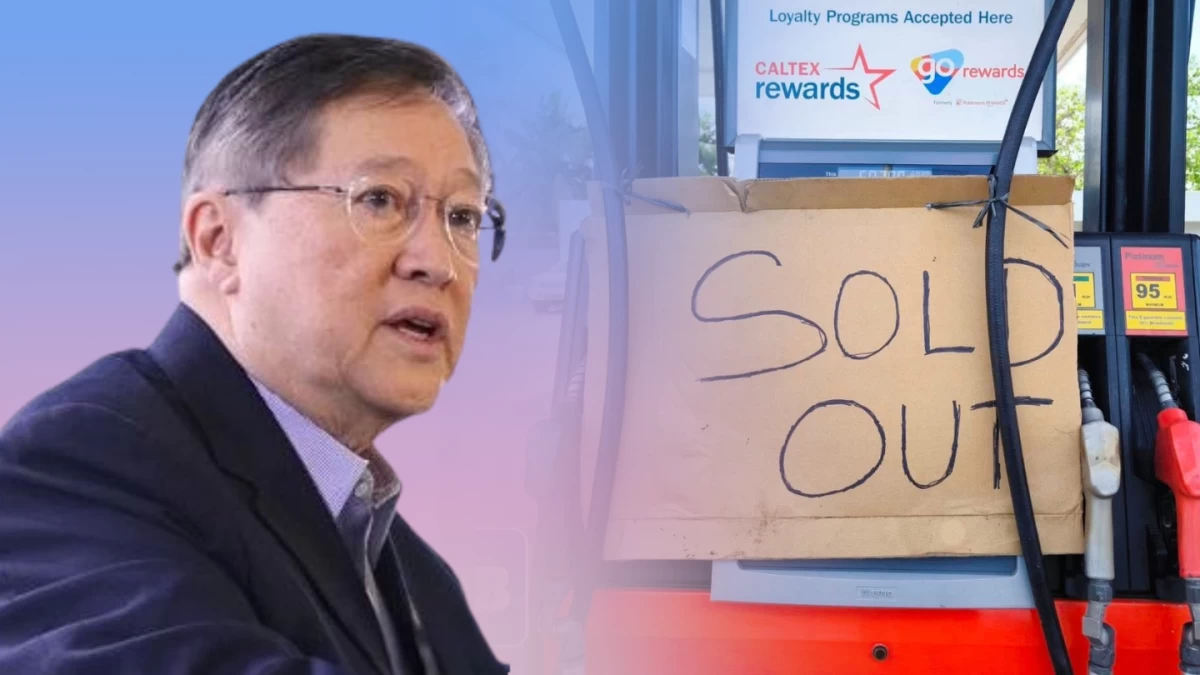
While the pandemic was fought in hospitals with clear domestic tools, the current fuel shock represents a battle of logistics and fiscal endurance. Former Finance chief Carlos Dominguez III explains that the lack of government levers to influence global oil prices requires a unified strategy involving massive storage, national conservation, and the mobilization of uniformed personnel to maintain economic stability.
The Philippines can quarantine a virus, but it cannot quarantine the global oil market. This is the warning from one of the architects of the country’s pandemic recovery, who argues that the current fuel shock could be a more ruthless economic adversary than Covid-19.
While the health crisis was addressed with domestic “controllables” such as vaccines and lockdowns, former Finance Secretary Carlos G. Dominguez III said the energy crisis offers no such levers, leaving the nation at the mercy of volatile international markets.
Dominguez, who steered the economy through the record contraction of 2020, explained to the Manila Bulletin that the tools used during the pandemic are absent today.
During the health crisis six years ago, the Duterte administration had clear measures at its disposal, such as testing, isolation, and treatment—levers the government could pull to influence the outcome. In the face of a global energy squeeze, he admitted those levers simply do not exist for President Marcos.
This assessment aligns with the view of DMCI conglomerate head Isidro Consunji, who recently warned that the fuel shock may hit the economy harder than any pandemic disruption.
Consunji’s core fear lies in a “no-supplier” scenario where global supply chains tighten to the point that fuel becomes unavailable or priced at astronomical levels. While the pandemic restricted movement, Consunji noted that a total fuel crisis threatens the very ability to produce and transport life’s essentials, from food to medicine.
A strategy for resilience
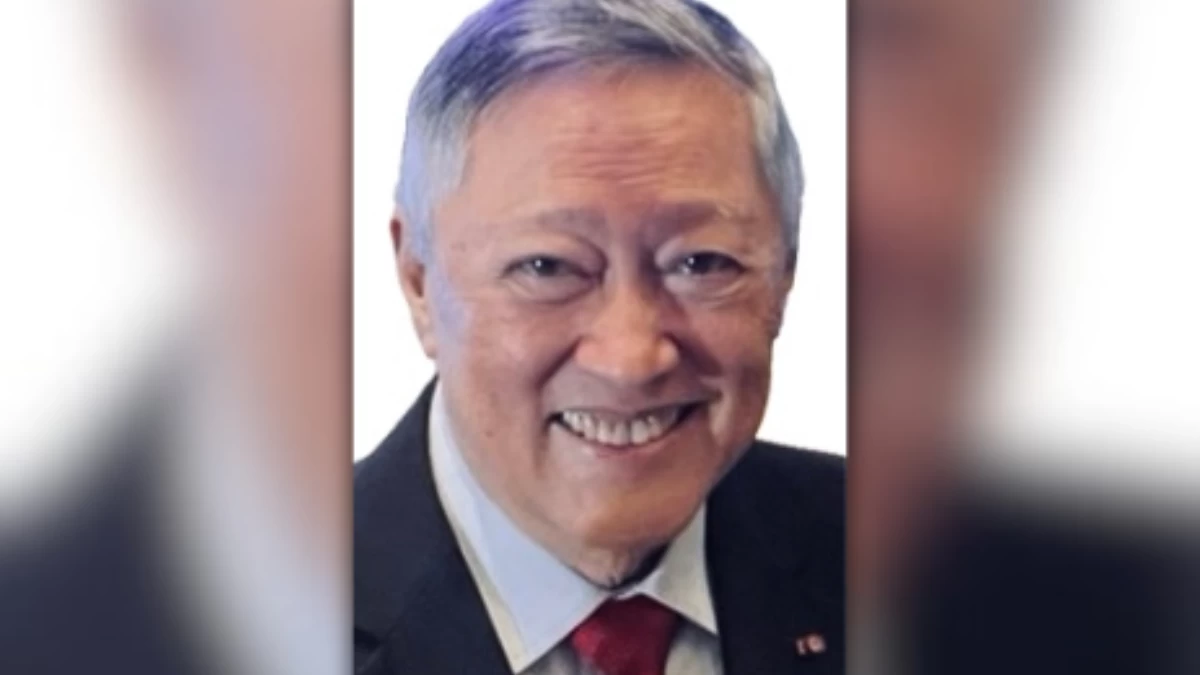
Former Finance Secretary Carlos G. Dominguez III
Against a backdrop of geopolitical friction and the Philippines’ vulnerability as a net importer of energy, Dominguez suggested the government must transition from a reactive posture to a “war footing.”
Now serving as a board director for Rizal Commercial Banking Corp. (RCBC) and GT Capital Holdings, he argued the first line of defense involves a massive logistical undertaking. This includes securing funds and storage—potentially utilizing laid-up oil tankers—to house as much oil, food, pharmaceuticals, and agricultural chemicals as possible.
He added that this physical buffer would be supported by a national push for aggressive conservation measures to lower immediate demand and stretch existing supplies.
Furthermore, Dominguez said the strategy also calls for a localized and unified front where local government units (LGUs) organize their communities for grassroots resilience, while the national government convenes major business organizations like the Philippine Chamber of Commerce and Industry to synchronize resources.
On the operational side, the former finance chief said the government should mobilize all uniformed personnel to assist in logistics and maintain order during potential supply shortages.
Simultaneously, to prevent a banking contagion, Dominguez said all government financial institutions like Land Bank of the Philippines and the Development Bank of the Philippines must be strictly coordinated to maintain financial stability and prevent market panic as prices fluctuate.
The pandemic was a battle fought in hospitals, but the fuel shock is a battle of logistics and fiscal endurance. As Dominguez suggested, the lack of “controllables” in the energy market means the government must move toward aggressive stockpiling and national coordination to keep the economy from stalling.