






Manila Bulletin
 Philippines
National
'Do we have a plan?': Imee Marcos warns vs reliance on short-term aid amid Middle East tensions
Philippines
National
'Do we have a plan?': Imee Marcos warns vs reliance on short-term aid amid Middle East tensions
Philippines
National
'Do we have a plan?': Imee Marcos warns vs reliance on short-term aid amid Middle East tensions
'Do we have a plan?': Imee Marcos warns vs reliance on short-term aid amid Middle East tensions
By Dhel Nazario
Published Mar 25, 2026 11:23 am


At A Glance
- Senator Imee Marcos raised concerns over the government's preparedness, warning that the country may be leaning too heavily on short-term relief instead of pursuing a clear energy strategy.
Senator Imee Marcos raised concerns over the government’s preparedness, warning that the country may be leaning too heavily on short-term relief instead of pursuing a clear energy strategy.
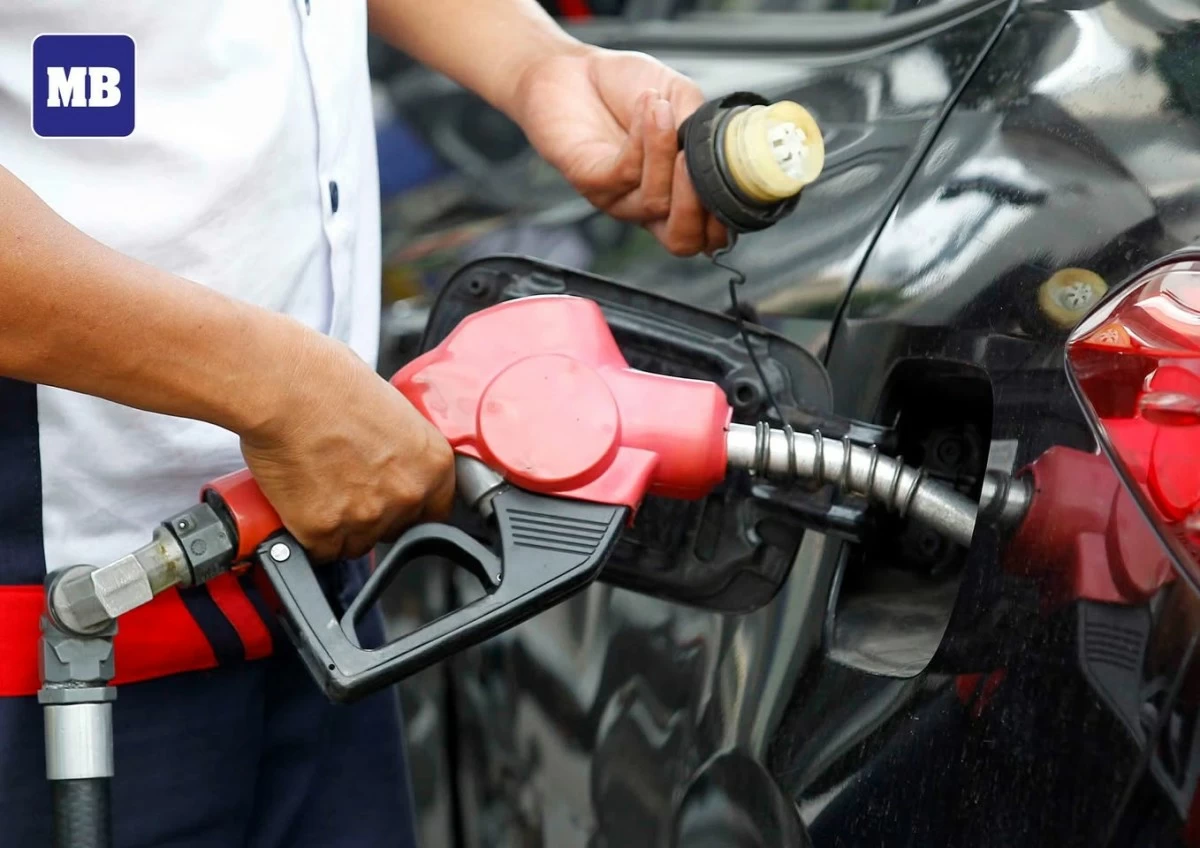
(MB file photo/Mark Balmores)
"Having taken a month to realize that war had broken out and nothing was 'normal' after all, does the admin actually have a plan?" Senator Imee questioned.
“What can we expect from the government now?” Senator Marcos said, noting that nearly a month of instability in the Middle East has driven sustained increases in global oil prices.
She said this just a day after his brother, President Marcos, declared a state of national energy emergency.
Senator Marcos called on the administration to disclose the country’s actual fuel supply situation.
“To begin with, can someone give us the real score on the country's energy supply? Have importers, refinery owners, and LPG suppliers been consulted? How much supply of the critical oil products is really left?” the senator asked. “And please, please stop trumpeting delusions of 6% growth when the ordinary Filipino can barely survive this energy shock,” she added.
The senator urged the government to engage more aggressively with regional and global partners following the declaration of a state of national energy emergency.
“Who are we even talking to? Have we reached out to Indonesia, Malaysia, Australia, as well as China, India, and Russia? Does the government actually have a plan, or will it simply carry on distributing dwindling amounts of ayuda to select sectors?” she said.
The senator further noted that the Philippines should be negotiating with ASEAN neighbors such as Malaysia, Brunei, Vietnam, and Thailand to secure crude oil imports. Myanmar has implemented fuel rationing, an odd-even scheme for private vehicles, and expanded work-from-home programs in both the public and private sectors. Vietnam, for its part, has reinstated its Oil Price Stabilization Fund during the crisis.
She also pointed out the need to mobilize state institutions such as the Philippine National Oil Company to pursue longer-term solutions.
While the government has rolled out assistance programs to help consumers cope with rising fuel costs, the senator argued that such measures alone are insufficient.
“Piecemeal ayuda is a band-aid. The solution is a realistic, wide-ranging and strategic plan for the survival of every Filipino through this global crisis,” she said.