






Manila Bulletin
 Business
Trade & Industry
Customs chief Nepomuceno orders fast-track clearance for fuel
Business
Trade & Industry
Customs chief Nepomuceno orders fast-track clearance for fuel
Business
Trade & Industry
Customs chief Nepomuceno orders fast-track clearance for fuel
Customs chief Nepomuceno orders fast-track clearance for fuel
By Derco Rosal
Published Mar 25, 2026 05:30 pm
|
Updated Mar 25, 2026 02:07 pm


At A Glance
- Bureau of Customs (BOC) Commissioner Ariel F. Nepomuceno has ordered all district collectors and relevant Customs personnel to grant priority port access to cargo carrying petroleum products and to expedite the clearance and distribution of these energy supplies.
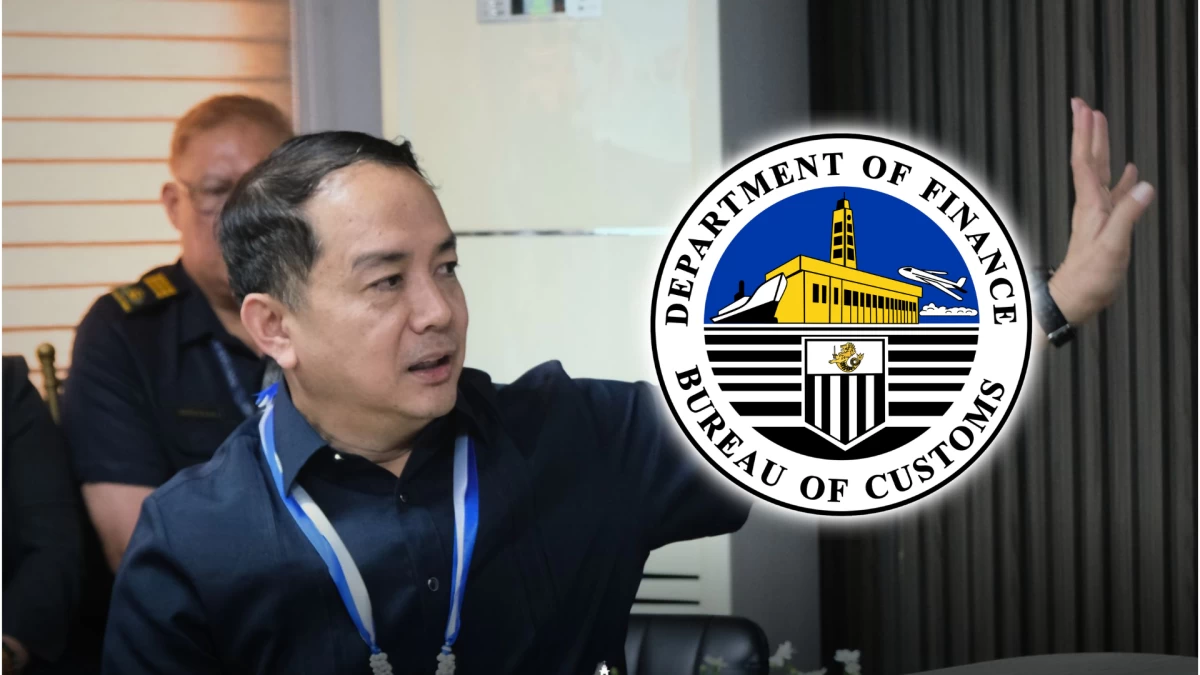
The Bureau of Customs (BOC) has ordered all district collectors and relevant personnel to grant priority port access to cargo carrying petroleum products and to expedite the clearance and distribution of these energy supplies. The move aims to safeguard national energy security amid global supply risks intensified by the escalating military conflict in the Middle East.
“All ports and concerned units are hereby directed to accord preferential attention to all shipments of petroleum products,” BOC Commissioner Ariel F. Nepomuceno said in a memorandum dated March 23.
Petroleum products receiving preferential attention include, but are not limited to, diesel, gasoline, aviation fuel, and liquefied petroleum gas (LPG), according to Nepomuceno’s memo.
This directive follows a formal request from the Department of Energy (DOE) to ensure the “unhampered” flow and timely release of fuel supplies.
Customs personnel are instructed to “ensure the priority berthing and immediate unloading of vessels carrying petroleum products,” while still adhering to existing safety rules and port regulations.
Once unloaded, all concerned units should promptly process, assess, and clear imported petroleum products without unnecessary delays, the BOC said.
Nepomuceno emphasized that district collectors must closely monitor compliance with the directive to ensure smoother operations. He added that all BOC personnel should coordinate closely with relevant government agencies, including the DOE, the Philippine Ports Authority (PPA), and other stakeholders, to address and prevent bottlenecks.
In an earlier March 19 memorandum, Nepomuceno ordered district collectors to strictly monitor oil import volumes and assess the “sufficiency of existing fuel supplies entering the country.” This involves regular tracking of fuel inventories at import terminals, refineries, and depots, in coordination with local fuel marking personnel within each district.
District port collectors are responsible for issuing mission orders to carry out these monitoring activities. To support this effort, Nepomuceno also requires daily updates on oil importation and current inventory levels.
“All concerned are hereby directed to submit a daily report on oil importations and corresponding inventory levels,” said Nepomuceno in another March 23 memo, stressing the need for effective monitoring amid global supply uncertainties.
Comprehensive data on terminal-specific stock levels, fuel marking volumes, and official oil import entries are required under this mandate, for submission to Nepomuceno and the BOC’s newly formed Oil Inventory Level (OIL) Task Force.
Data from the DOE’s Oil Industry Management Bureau (OIMB) showed the Philippines’ fuel supply has improved, with the country now holding around 45 days’ worth of inventory, up from below 40 days last week.
Gasoline stocks stand at 53 days, diesel at 45 days, while kerosene, despite steep price hikes, has the largest inventory at 97 days.
Energy Secretary Sharon Garin said the government will allocate ₱20 billion to buy up to two million barrels of diesel from alternative and legitimate oil suppliers. The purchase, intended to buffer the country against a potential fuel supply shortage, is expected to cover about five days of consumption.