ADVERTISEMENT

AFP on standby for energy emergency support, vows protection of critical infrastructure

Published Mar 25, 2026 12:44 pm  |  Updated Mar 25, 2026 02:16 pm
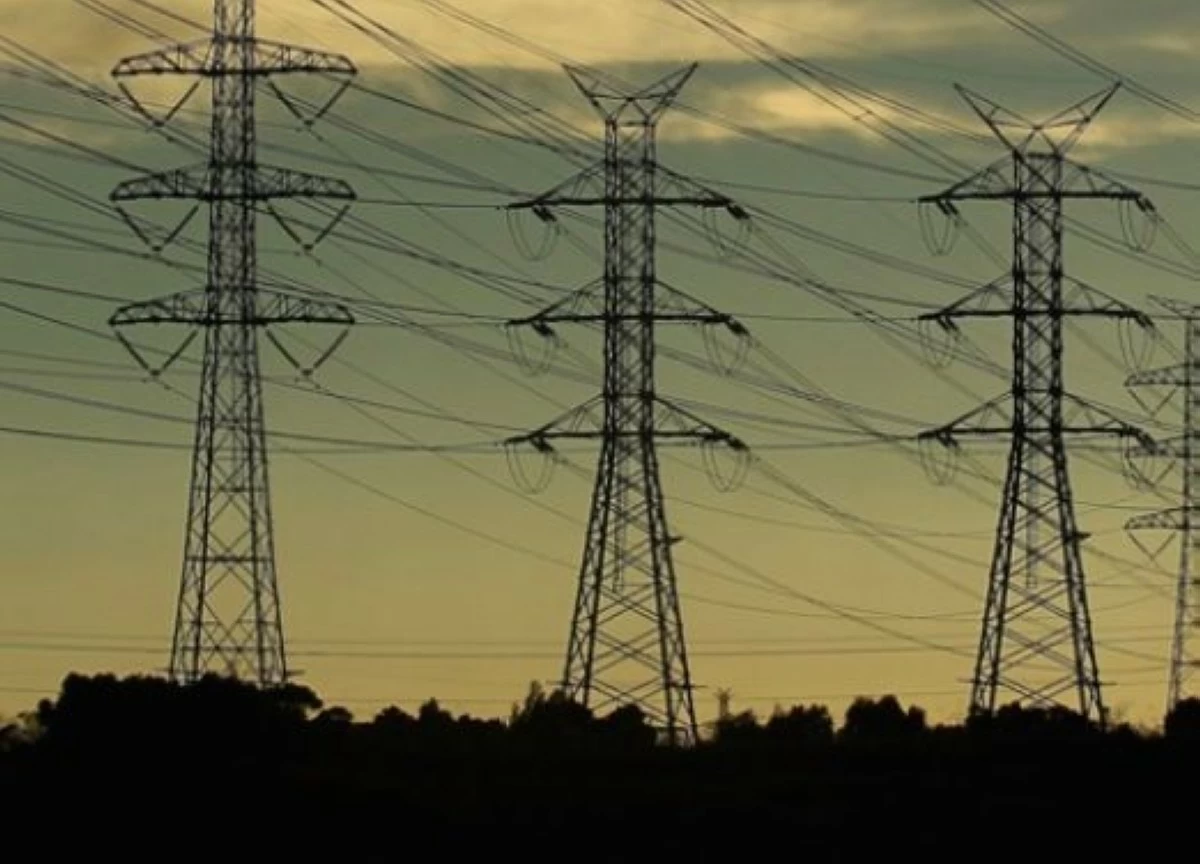
(File photo)
(File photo)
The Armed Forces of the Philippines (AFP) said Wednesday, March 25, that it placed troops on standby for possible deployment to protect key facilities and assist in logistics after President Marcos Jr. declared a State of National Energy Emergency.
While the military holds no seat on the primary implementing committee, AFP spokesperson Col. Francel Margareth Padilla said the military is bracing for potential mobilization to secure the nation’s power grid.
“The Armed Forces of the Philippines takes note of the Executive Order declaring a State of National Energy Emergency. While the Department of National Defense is not among the agencies directly tasked in the implementing committee, we recognize that this development has a direct bearing on our mandate to help ensure energy security, national stability, and the overall welfare of the Filipino people,” she noted.
Marcos signed Executive Order No. 110 on Tuesday to address the shortage in global oil supply and skyrocketing prices due to rising tensions in the Middle East involving the United States, Israel, and Iran. The closure of the Strait of Hormuz has worsened supply risks, making the Philippines, which is heavily dependent on imported fuel, vulnerable.
In response, the government adopted the Unified Package for Livelihoods, Industry, Food, and Transport (UPLIFT) as the government’s coordinated and whole-of-government response framework.
A committee chaired by the President will oversee efforts to maintain supply of fuel, food, and essential goods, and ensure the continued operations of transport and public services.
Support measures include fuel subsidies and transport programs, aid for vulnerable sectors, assistance to farmers and fisherfolk, protection for overseas workers, and price monitoring for basic goods. Agencies were also directed to promote energy conservation and accelerate the shift to renewable energy.
Local governments and the private sector were also encouraged to assist in implementing response measures.
The declaration will remain in effect for one year unless lifted or extended, according to Malacañang.
“In this light, the AFP underscores its full collaboration with concerned government agencies and its unwavering support to all national government initiatives and directives addressing this situation,” Padilla said.
According to the military, energy security has long been tied to national security planning, particularly in an archipelagic country where fuel transport and grid stability remain complex.
The government has previously tapped the military during crises to secure vital installations such as power plants, transmission lines, and fuel depots.
“The AFP remains ready to provide assistance when directed, with our forces on standby to augment efforts in critical infrastructure protection, logistics and transport of essential goods, engineering support, and rapid response operations, particularly in vulnerable and geographically isolated areas,” Padilla added.
Military involvement in non-combat roles has expanded in recent years, including disaster response and infrastructure support. The AFP said this reflects a broader “whole-of-nation” approach in addressing emergencies that affect both security and economic stability.
“We remain committed to reinforcing a whole-of-nation approach in safeguarding national resilience,” Padilla said.

Related Tags

AFP state of national energy emergency Middle East military EO 110 UPLIFT program
ADVERTISEMENT
.most-popular .layout-ratio{ padding-bottom: 79.13%; } @media (min-width: 768px) and (max-width: 1024px) { .widget-title { font-size: 15px !important; } }

{{ articles_filter_1561_widget.title }}

.most-popular .layout-ratio{ padding-bottom: 79.13%; } @media (min-width: 768px) and (max-width: 1024px) { .widget-title { font-size: 15px !important; } }

{{ articles_filter_1562_widget.title }}

.most-popular .layout-ratio{ padding-bottom: 79.13%; } @media (min-width: 768px) and (max-width: 1024px) { .widget-title { font-size: 15px !important; } }

{{ articles_filter_1563_widget.title }}

{{ articles_filter_1564_widget.title }}

.mb-article-details { position: relative; } .mb-article-details .article-body-preview, .mb-article-details .article-body-summary{ font-size: 17px; line-height: 30px; font-family: "Libre Caslon Text", serif; color: #000; } .mb-article-details .article-body-preview iframe , .mb-article-details .article-body-summary iframe{ width: 100%; margin: auto; } .read-more-background { background: linear-gradient(180deg, color(display-p3 1.000 1.000 1.000 / 0) 13.75%, color(display-p3 1.000 1.000 1.000 / 0.8) 30.79%, color(display-p3 1.000 1.000 1.000) 72.5%); position: absolute; height: 200px; width: 100%; bottom: 0; display: flex; justify-content: center; align-items: center; padding: 0; } .read-more-background a{ color: #000; } .read-more-btn { padding: 17px 45px; font-family: Inter; font-weight: 700; font-size: 18px; line-height: 16px; text-align: center; vertical-align: middle; border: 1px solid black; background-color: white; } .hidden { display: none; }
function initializeAllSwipers() { // Get all hidden inputs with cms_article_id document.querySelectorAll('[id^="cms_article_id_"]').forEach(function (input) { const cmsArticleId = input.value; const articleSelector = '#article-' + cmsArticleId + ' .body_images'; const swiperElement = document.querySelector(articleSelector); if (swiperElement && !swiperElement.classList.contains('swiper-initialized')) { new Swiper(articleSelector, { loop: true, pagination: false, navigation: { nextEl: '#article-' + cmsArticleId + ' .swiper-button-next', prevEl: '#article-' + cmsArticleId + ' .swiper-button-prev', }, }); } }); } setTimeout(initializeAllSwipers, 3000); const intersectionObserver = new IntersectionObserver( (entries) => { entries.forEach((entry) => { if (entry.isIntersecting) { const newUrl = entry.target.getAttribute("data-url"); if (newUrl) { history.pushState(null, null, newUrl); let article = entry.target; // Extract metadata const author = article.querySelector('.author-section').textContent.replace('By', '').trim(); const section = article.querySelector('.section-info ').textContent.replace(' ', ' '); const title = article.querySelector('.article-title h1').textContent; // Parse URL for Chartbeat path format const parsedUrl = new URL(newUrl, window.location.origin); const cleanUrl = parsedUrl.host + parsedUrl.pathname; // Update Chartbeat configuration if (typeof window._sf_async_config !== 'undefined') { window._sf_async_config.path = cleanUrl; window._sf_async_config.sections = section; window._sf_async_config.authors = author; } // Track virtual page view with Chartbeat if (typeof pSUPERFLY !== 'undefined' && typeof pSUPERFLY.virtualPage === 'function') { try { pSUPERFLY.virtualPage({ path: cleanUrl, title: title, sections: section, authors: author }); } catch (error) { console.error('ping error', error); } } // Optional: Update document title if (title && title !== document.title) { document.title = title; } } } }); }, { threshold: 0.1 } ); function showArticleBody(button) { const article = button.closest("article"); const summary = article.querySelector(".article-body-summary"); const body = article.querySelector(".article-body-preview"); const readMoreSection = article.querySelector(".read-more-background"); // Hide summary and read-more section summary.style.display = "none"; readMoreSection.style.display = "none"; // Show the full article body body.classList.remove("hidden"); } document.addEventListener("DOMContentLoaded", () => { let loadCount = 0; // Track how many times articles are loaded const offset = [1, 2, 3, 4, 5, 6, 7, 8, 9, 10]; // Offset values const currentUrl = window.location.pathname.substring(1); let isLoading = false; // Prevent multiple calls if (!currentUrl) { console.log("Current URL is invalid."); return; } const sentinel = document.getElementById("load-more-sentinel"); if (!sentinel) { console.log("Sentinel element not found."); return; } function isSentinelVisible() { const rect = sentinel.getBoundingClientRect(); return ( rect.top < window.innerHeight && rect.bottom >= 0 ); } function onScroll() { if (isLoading) return; if (isSentinelVisible()) { if (loadCount >= offset.length) { console.log("Maximum load attempts reached."); window.removeEventListener("scroll", onScroll); return; } isLoading = true; const currentOffset = offset[loadCount]; window.loadMoreItems().then(() => { let article = document.querySelector('#widget_1690 > div:nth-last-of-type(2) article'); intersectionObserver.observe(article) loadCount++; }).catch(error => { console.error("Error loading more items:", error); }).finally(() => { isLoading = false; }); } } window.addEventListener("scroll", onScroll); });

Sign up by email to receive news.