ADVERTISEMENT

1.07 billion reasons why water is a crisis for women

Published Mar 25, 2026 08:11 pm
A water bankruptcy threatens the world, the U.N. says.
The world has moved past a water crisis. According to a new flagship report from UN researchers, we are now living in a state of global water bankruptcy. But buried within that alarming headline is another truth that deserves its own spotlight: the water crisis is, increasingly, a women's crisis.
This is the conversation at the heart of World Water Day on March 22, 2026, which places water and gender front and center.
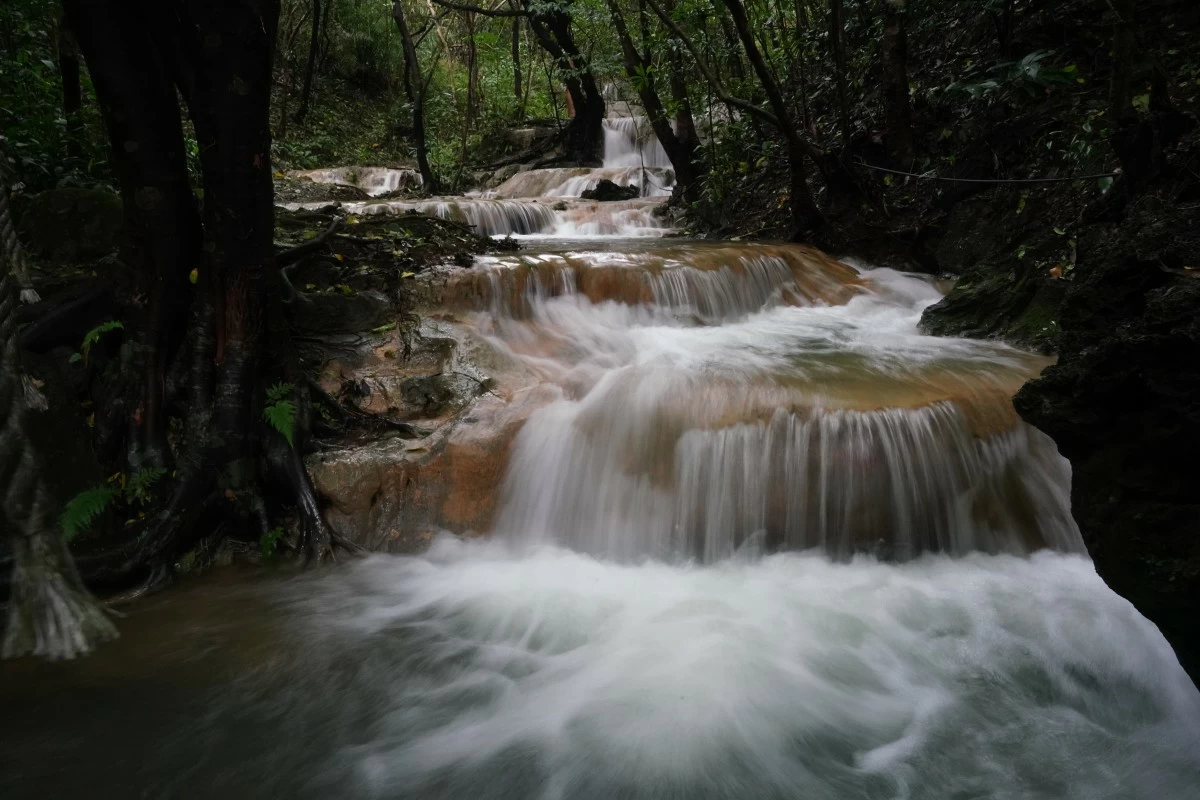
Unobstructed waterways enhance safety, biodiversity and health.
Consider the numbers. More than 1 billion women and girls — specifically, 1.07 billion, or more than one in four women globally — still lack access to safely managed drinking water. Among them, an estimated 205 million rely on unimproved sources or surface water. The majority live in sub-Saharan Africa, Central and Southern Asia, and Eastern and South-Eastern Asia. While progress has been made since 2000, when more than a third of women lacked safe water access, climate change is now threatening to reverse those gains. By 2050, an estimated 674 million women and girls across 33 countries are projected to live under high or critical water stress.
In two out of three households globally, women are the ones who collect water. Across 53 countries where data is available, women and girls spend a staggering 250 million hours every day fetching water — more than three times the burden carried by men and boys. That is time taken from studying, earning, and leading. When water flows close to home, equality grows. When it does not, women pay the price first.
The link between water and women cannot be separated from the broader crisis of gender inequality. At the current rate of progress, the next generation of women will still spend, on average, 2.3 more hours per day on unpaid care and domestic work than men. In 2020, only 26 percent of countries had achieved high or very high levels of gender mainstreaming in water resources management and related laws and plans. None of the Sustainable Development Goal 5 indicators on gender equality are at "target met or almost met," and closing these gaps would require an additional $360 billion per year.
The UN has outlined clear interventions: making women's leadership non-negotiable in disaster risk and financing decisions; directing capital toward women's resilience through social protection and women-led enterprises; centering care in emergency preparedness plans; and strengthening institutions to apply a gender lens across prevention, response, and recovery. These are not aspirational footnotes. They are prerequisites for communities that can genuinely face crises and recover.
Research confirms that the impact of climate change is not gender neutral. Women are pushed into extreme poverty and food insecurity at greater rates than men. In areas heavily dependent on the environment — through agriculture, fishing, and forestry — women bear a disproportionate burden when ecosystems fail. Investments in women's socio-economic standing are not charity. They may very well be among the most effective ways to build household and community resilience.
For urban residents whose water arrives processed and reliable, distance from the tap is a privilege so normalized that it is often invisible. For rural communities, water is life — and its neglect is felt in the body, livelihood, and the future.
On the frontlines, communities continue to suffer the loss of water for drinking, bathing, and cleaning because swimming pools consume supply in critical watersheds. Easements of waterways remain unprotected. Drought devastates families whose entire livelihood depends on agriculture. These are not abstract failures — they have faces, and most of them are women.
At the Women Who Lead Forum this International Women's Month, the conversation returned to a familiar truth: women's presence at the table changes what gets decided. Quezon City Mayor Joy Belmonte noted that eight out of 17 Metro Manila mayors are now women — a milestone worth recognizing, and a foundation worth building on. When women lead, they bring an understanding of what communities need to survive and thrive.
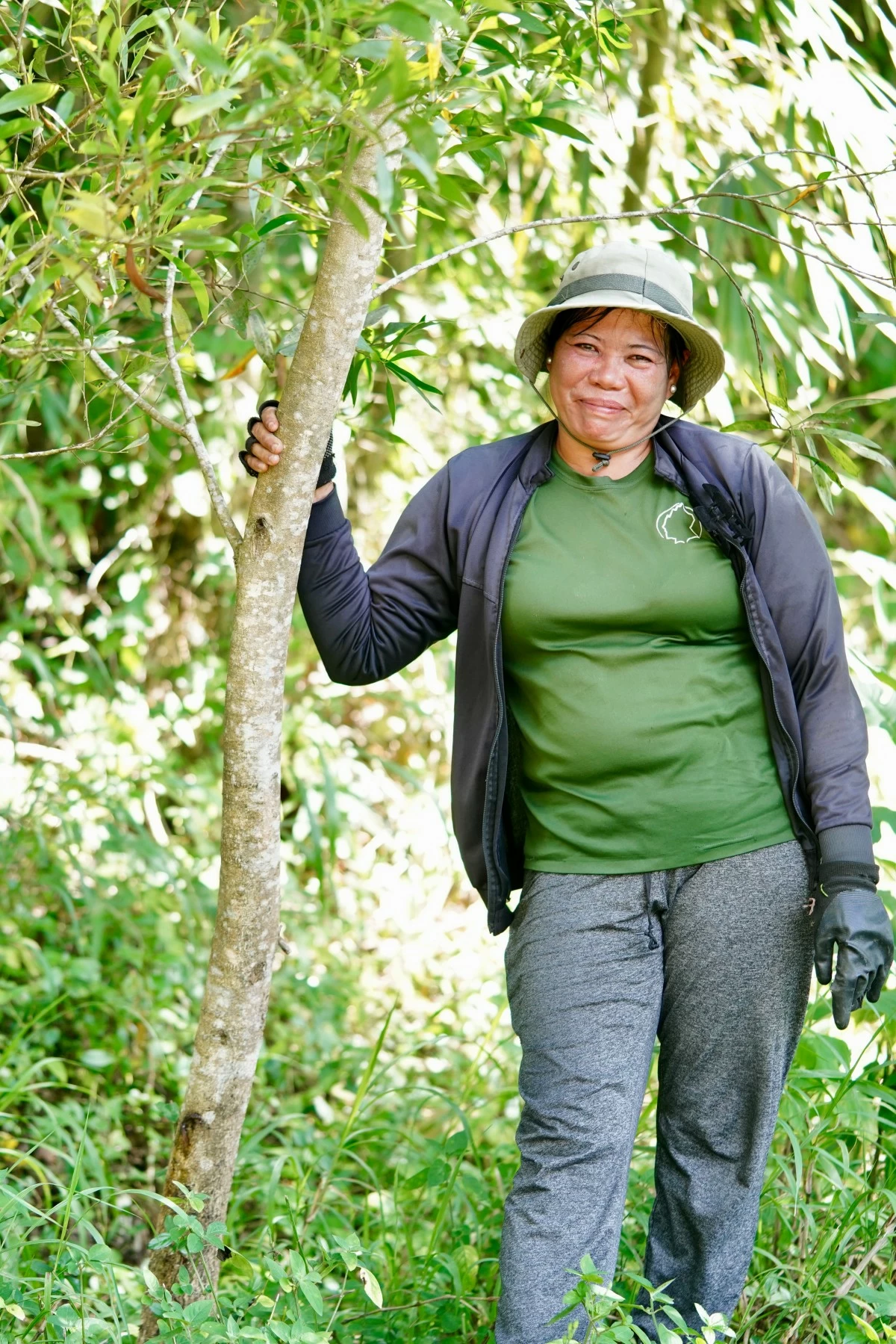
A female park ranger tends to her area.
Yet women's contributions are still too often minimized or overlooked. Every woman who speaks with clarity and conviction — in a barangay meeting, a boardroom, or a forum — makes it easier for the next woman to do the same. That is not a small thing. That is how change builds.
Water is a human right. So is the right to be heard. The communities most affected by water insecurity have long understood what the data now confirms — and the women within them have long been ready to lead. It is time to ensure that they can.

Related Tags

WOMENS MONTH
ADVERTISEMENT
.most-popular .layout-ratio{ padding-bottom: 79.13%; } @media (min-width: 768px) and (max-width: 1024px) { .widget-title { font-size: 15px !important; } }

{{ articles_filter_1561_widget.title }}

.most-popular .layout-ratio{ padding-bottom: 79.13%; } @media (min-width: 768px) and (max-width: 1024px) { .widget-title { font-size: 15px !important; } }

{{ articles_filter_1562_widget.title }}

.most-popular .layout-ratio{ padding-bottom: 79.13%; } @media (min-width: 768px) and (max-width: 1024px) { .widget-title { font-size: 15px !important; } }

{{ articles_filter_1563_widget.title }}

{{ articles_filter_1564_widget.title }}

.mb-article-details { position: relative; } .mb-article-details .article-body-preview, .mb-article-details .article-body-summary{ font-size: 17px; line-height: 30px; font-family: "Libre Caslon Text", serif; color: #000; } .mb-article-details .article-body-preview iframe , .mb-article-details .article-body-summary iframe{ width: 100%; margin: auto; } .read-more-background { background: linear-gradient(180deg, color(display-p3 1.000 1.000 1.000 / 0) 13.75%, color(display-p3 1.000 1.000 1.000 / 0.8) 30.79%, color(display-p3 1.000 1.000 1.000) 72.5%); position: absolute; height: 200px; width: 100%; bottom: 0; display: flex; justify-content: center; align-items: center; padding: 0; } .read-more-background a{ color: #000; } .read-more-btn { padding: 17px 45px; font-family: Inter; font-weight: 700; font-size: 18px; line-height: 16px; text-align: center; vertical-align: middle; border: 1px solid black; background-color: white; } .hidden { display: none; }
function initializeAllSwipers() { // Get all hidden inputs with cms_article_id document.querySelectorAll('[id^="cms_article_id_"]').forEach(function (input) { const cmsArticleId = input.value; const articleSelector = '#article-' + cmsArticleId + ' .body_images'; const swiperElement = document.querySelector(articleSelector); if (swiperElement && !swiperElement.classList.contains('swiper-initialized')) { new Swiper(articleSelector, { loop: true, pagination: false, navigation: { nextEl: '#article-' + cmsArticleId + ' .swiper-button-next', prevEl: '#article-' + cmsArticleId + ' .swiper-button-prev', }, }); } }); } setTimeout(initializeAllSwipers, 3000); const intersectionObserver = new IntersectionObserver( (entries) => { entries.forEach((entry) => { if (entry.isIntersecting) { const newUrl = entry.target.getAttribute("data-url"); if (newUrl) { history.pushState(null, null, newUrl); let article = entry.target; // Extract metadata const author = article.querySelector('.author-section').textContent.replace('By', '').trim(); const section = article.querySelector('.section-info ').textContent.replace(' ', ' '); const title = article.querySelector('.article-title h1').textContent; // Parse URL for Chartbeat path format const parsedUrl = new URL(newUrl, window.location.origin); const cleanUrl = parsedUrl.host + parsedUrl.pathname; // Update Chartbeat configuration if (typeof window._sf_async_config !== 'undefined') { window._sf_async_config.path = cleanUrl; window._sf_async_config.sections = section; window._sf_async_config.authors = author; } // Track virtual page view with Chartbeat if (typeof pSUPERFLY !== 'undefined' && typeof pSUPERFLY.virtualPage === 'function') { try { pSUPERFLY.virtualPage({ path: cleanUrl, title: title, sections: section, authors: author }); } catch (error) { console.error('ping error', error); } } // Optional: Update document title if (title && title !== document.title) { document.title = title; } } } }); }, { threshold: 0.1 } ); function showArticleBody(button) { const article = button.closest("article"); const summary = article.querySelector(".article-body-summary"); const body = article.querySelector(".article-body-preview"); const readMoreSection = article.querySelector(".read-more-background"); // Hide summary and read-more section summary.style.display = "none"; readMoreSection.style.display = "none"; // Show the full article body body.classList.remove("hidden"); } document.addEventListener("DOMContentLoaded", () => { let loadCount = 0; // Track how many times articles are loaded const offset = [1, 2, 3, 4, 5, 6, 7, 8, 9, 10]; // Offset values const currentUrl = window.location.pathname.substring(1); let isLoading = false; // Prevent multiple calls if (!currentUrl) { console.log("Current URL is invalid."); return; } const sentinel = document.getElementById("load-more-sentinel"); if (!sentinel) { console.log("Sentinel element not found."); return; } function isSentinelVisible() { const rect = sentinel.getBoundingClientRect(); return ( rect.top < window.innerHeight && rect.bottom >= 0 ); } function onScroll() { if (isLoading) return; if (isSentinelVisible()) { if (loadCount >= offset.length) { console.log("Maximum load attempts reached."); window.removeEventListener("scroll", onScroll); return; } isLoading = true; const currentOffset = offset[loadCount]; window.loadMoreItems().then(() => { let article = document.querySelector('#widget_1690 > div:nth-last-of-type(2) article'); intersectionObserver.observe(article) loadCount++; }).catch(error => { console.error("Error loading more items:", error); }).finally(() => { isLoading = false; }); } } window.addEventListener("scroll", onScroll); });

Sign up by email to receive news.