







Why private motorists shouldn't fill up with Euro-2 fuel
We explain the risks
By Inigo Roces
Published Mar 24, 2026 01:12 pm


At A Glance
- The reintroduction of Euro-2 fuel is not cause for celebration.
- It may be tempting to take advantage of this fuel, but it may cost your more in the long run, particularly if you have a newer car.
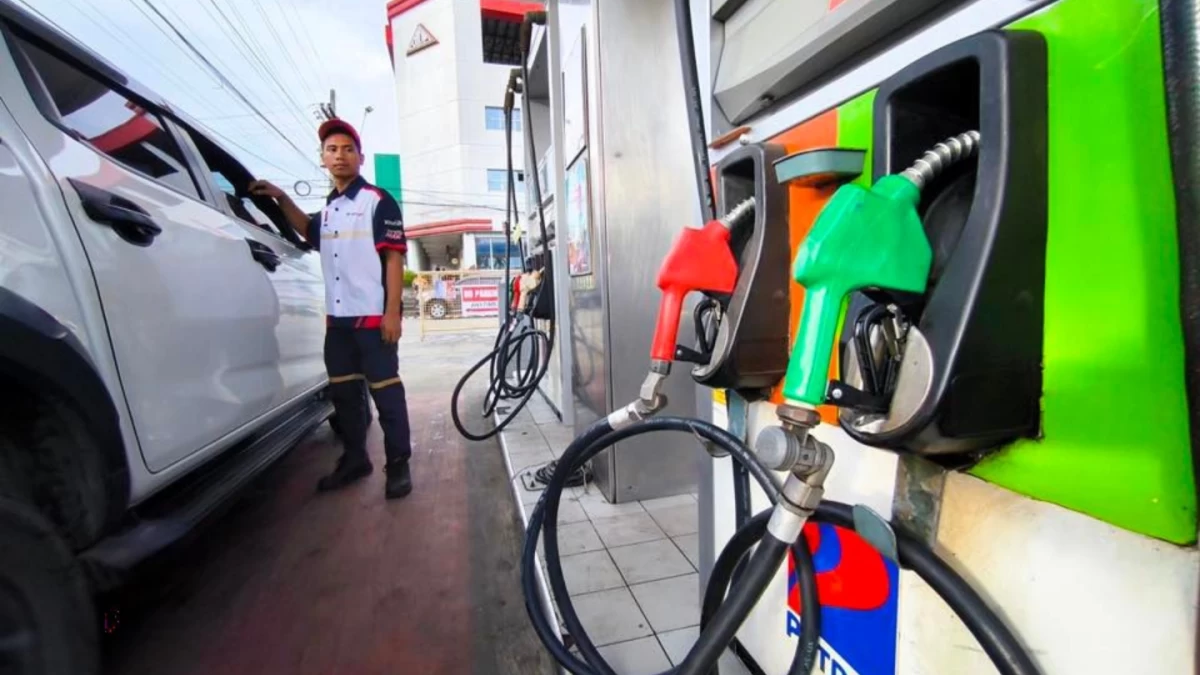
A gas station attendant refuels a vehicle in Iloilo City on Monday, March 9. While this fuel was purchased at lower rates weeks ago, retailers have raised prices to reflect “replacement costs”—the higher price they must pay to restock inventory amid global supply fears. (Photo by Tara Yap I MB)
Just recently, the Department of Energy (DOE) has authorized the importation of Euro-2-rated petroleum products as a continency measure to ensure the Philippines’ has a continuous fuel supply amid the growing fears of shortages caused by the middle east conflict.
Before this, the DOE had enforced Euro-4 minimum standard on all petroleum products sold in the Philippines. In addition to raising the fuel standard, vehicles emissions standards were also raised. In keeping with this ruling only Euro-3 compliant engines are allowed for motorcycles, while only Euro-4 or higher compliant engines are allowed for vehicles with four or more wheels.
By allowing the importation of Euro 2 fuel, it is hoped that the country will have more sources of fuel to import from during this trying time. In addition, the Euro-2 fuel may also be somewhat more affordable than the highly in-demand Euro-4 rated fuel.
In truth, these lower grade fuels are intended to be used by public transportation and logistics vehicles that are powered by much more rugged engines that are not as sensitive to fuel quality changes. These fuels are really not intended for passenger cars.
Nonetheless, motorists must be warned that putting Euro-2 fuels into newer Euro-4 vehicles is not recommended and carries big risks.
What vehicles CAN’T use Euro-2 fuels?
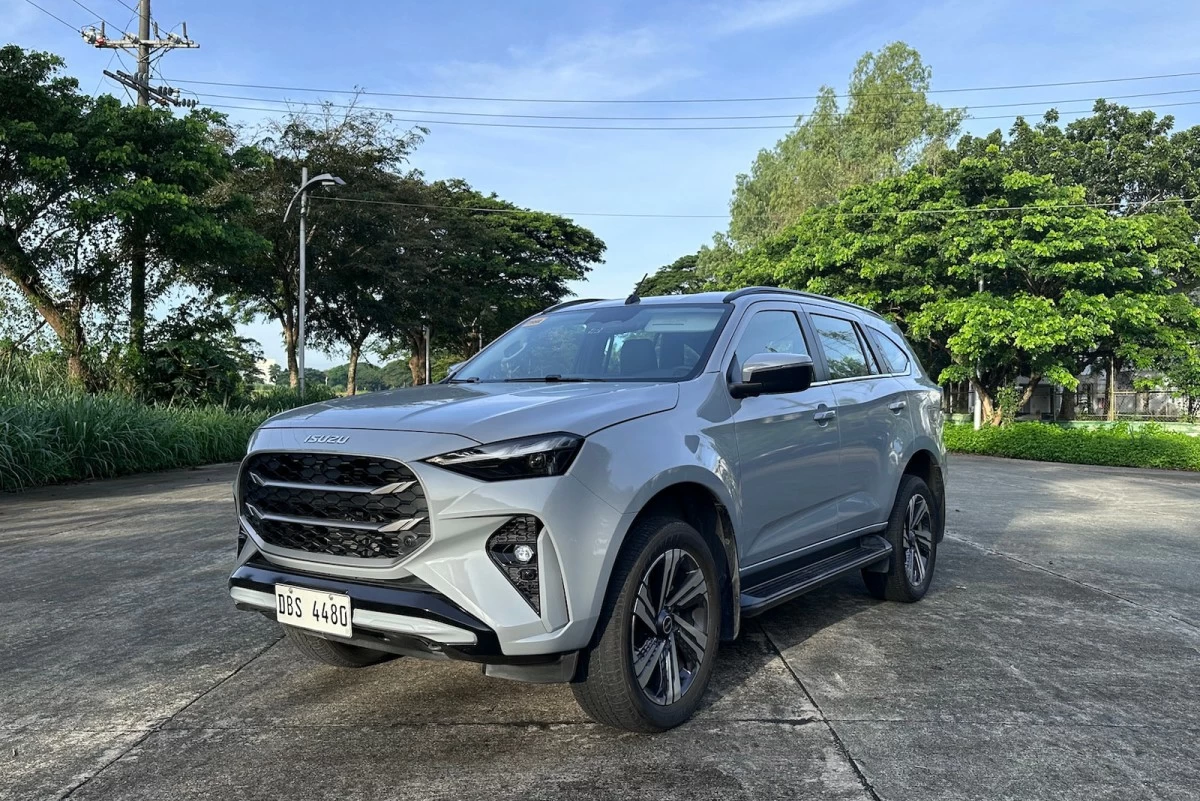
2017 was the final year that Euro-2 fueled vehicles were allowed to be sold in the Philippines. This deadline was actually set in 2015, but it had been extended multiple-times.
It is not recommended for gasoline-powered vehicles bought after 2017 to use Euro-2 fuel. These vehicles are already equipped with sophisticated sensors, fine fuel lines, and sensitive fuel injectors that may easily be fouled up by Euro-2 fuel.

Cars with diesel engines are actually much more sensitive to these fuel standards. By the early 2000s, common-rail injection diesels (CRD, CRDi, TCCR, etc.) were being introduced in several car models. These engines were much more powerful, smoother, and cleaner than traditional pre-chamber diesel engines that were common. However, to produce these benefits, the engines relied on high-pressure fuel lines that inject fuel into the combustion chamber. These fuel lines and injectors are especially sensitive to lower grade fuel. For vehicles with common-rail diesel engines (even if they were purchased before 2015), it’s more prudent to continue using Euro-4 or higher fuel. Most diesel engine vehicles today are already using a common-rail injection system.
What vehicles CAN use Euro-2 fuels?
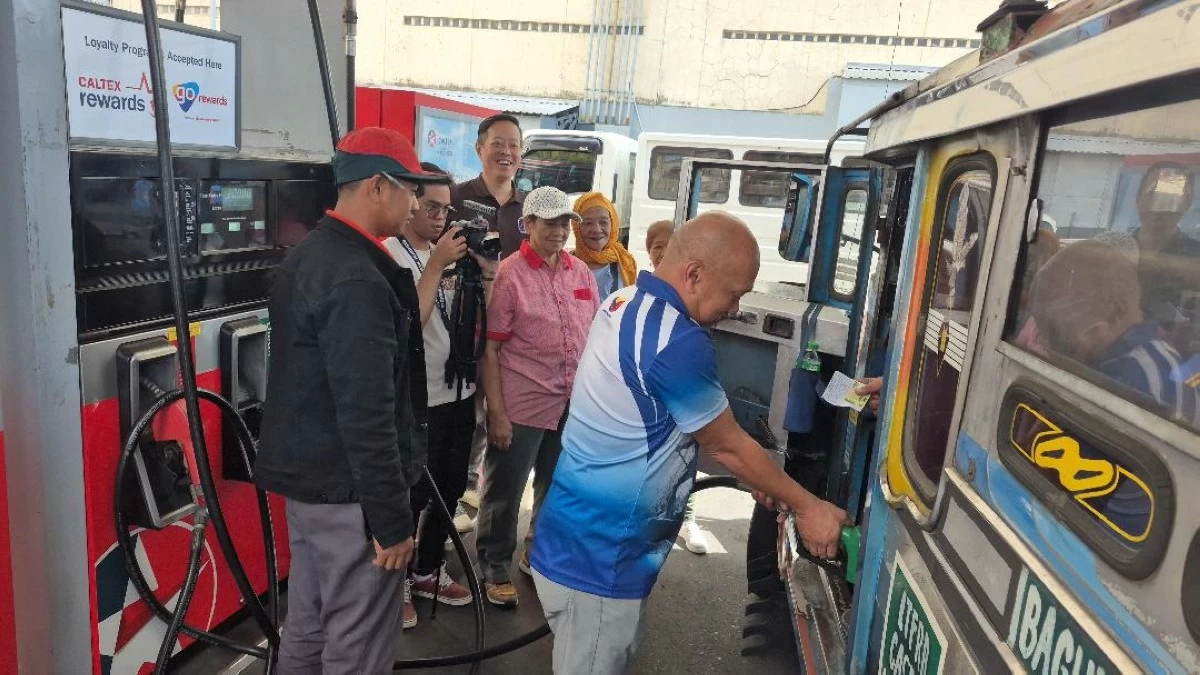
CHAIRMAN Jefferson Cheng of Barangay AZKCO in Baguio City spearheads a fuel assistance project for Public Utility Jeepney drivers on Wednesday, March 11, 2026. (Zaldy Comanda)
Generally, many gasoline vehicles that were bought in the Philippines from authorized dealerships of legitimate car brands before 2017 can still use Euro-2 fuel. However, to avoid any issues, we only recommend using Euro-2 fuel if the car’s model year is 2005 or earlier. This is because these cars have very few emissions treatment systems that can be fouled up by Euro-2 fuel. Later models have begun to introduce systems like catalytic converters and other emissions treatment systems that aren’t designed to handle the high levels of pollutants in Euro 2 fuels.

Carbureted motorcycles sold as late as last year can still use Euro-2 fuel. These motorcycles usually have very robust engines and little to no emissions controls systems. As such, they will handle the lower quality fuel easily.
Euro-2 diesel fuel is best used by vehicles with pre-chamber diesel engines. These are usually cars with diesel engines that do not have fuel injection systems. Examples include the original Mitsubishi L300, Mitsubishi Adventure, Isuzu Crosswind, Toyota Revo, and earlier Hyundai Starex vans. Many pickups made the switch from pre-chamber to common-rail diesel some time between 2005-2009. However, some of these models with pre-chamber diesels were sold even after 2017.
Generally, if the car was bought before 2005 (or it received no significant engine update since its pre-2005 introduction), it likely has a pre-chamber diesel. Very few common rail turbo diesels were available before that time. The only few were exceptions were those offered by European brands like Mercedes-Benz, BMW, Audi, and Porsche.
If you are not sure about your vehicle’s year model or what kind of engine it has, consult your car’s manual. It will typically detail what kind of fuel you can put in the vehicle, like whether it is Euro-2, Euro-4, or even Euro 6 compliant. It also typically states the recommended Research Octane Rating (RON) of fuel.
What happens when I use Euro 2 fuel?
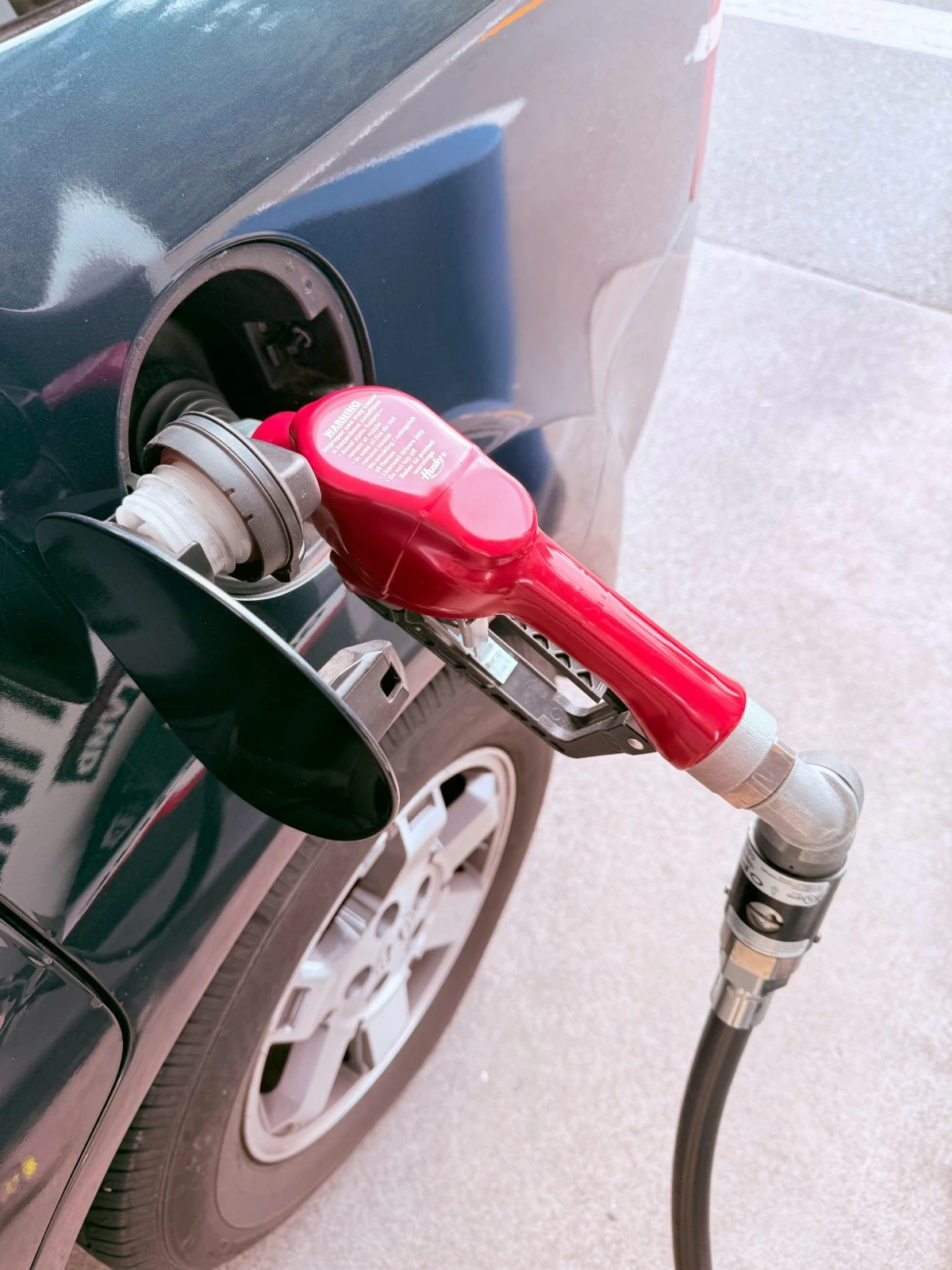
Remember that it is a big risk shifting back to Euro-2 fuel. Only fill up with it if you are sure your vehicle can handle it. Consult your car’s manual or a trusted mechanic first.
If your vehicle is compatible with it, try putting in just a little bit first. Don’t fill up the entire tank just yet. Your vehicle may behave differently. If may feel more sluggish or produce more smoke. Bear in mind that the Euro-2 fuel is likely mixing with some Euro-4 fuel that’s still left in the tank. This transition period may confuse the vehicle’s sensors and ECU mapping for a while before it finally adjusts. As expected, using Euro-2 fuel also produces more tailpipe emissions, so expect to see much more smoke out the back. If your vehicle’s driving characteristics don’t change too drastically and no warning lights pop up, then you can continue to use Euro-2 fuel.
If your vehicle makes some concerning noises or some warning lights pop up, it might be best to simply stick to Euro-4 fuel. Don’t risk permanent damage to your vehicle’s engine and exhaust system.
Best for old cars

Photo courtesy of the official R-Team Italy Facebook page
The reintroduction of Euro-2 fuel is not cause for celebration. Rather, it is a sign of how dire the situation is. Remember that this fuel is being imported only as a supplement to our fuel needs, not a permanent solution.
It is best for vehicles that are at least 10-years old or even older. This means they’re only ideal for carbureted gas engines, early-model fuel-injected gas engines, conventional diesels, traditional jeepneys, industrial applications, and marine and shipping sectors.
It may be tempting to take advantage of this fuel, but it may cost your more in the long run, particularly if you have a newer car.