ADVERTISEMENT

Why kids don't need to find their 'thing' early

A developmental pediatrician explains how interests develop naturally, and why less pressure often leads to better outcomes

Published Mar 24, 2026 10:32 am
These days, it’s not unusual to see children packed with full schedules—weekday lessons, weekend classes, and the occasional tournament or recital in between. Somewhere in all of this is the hope that one activity will stand out. But this doesn’t always happen.
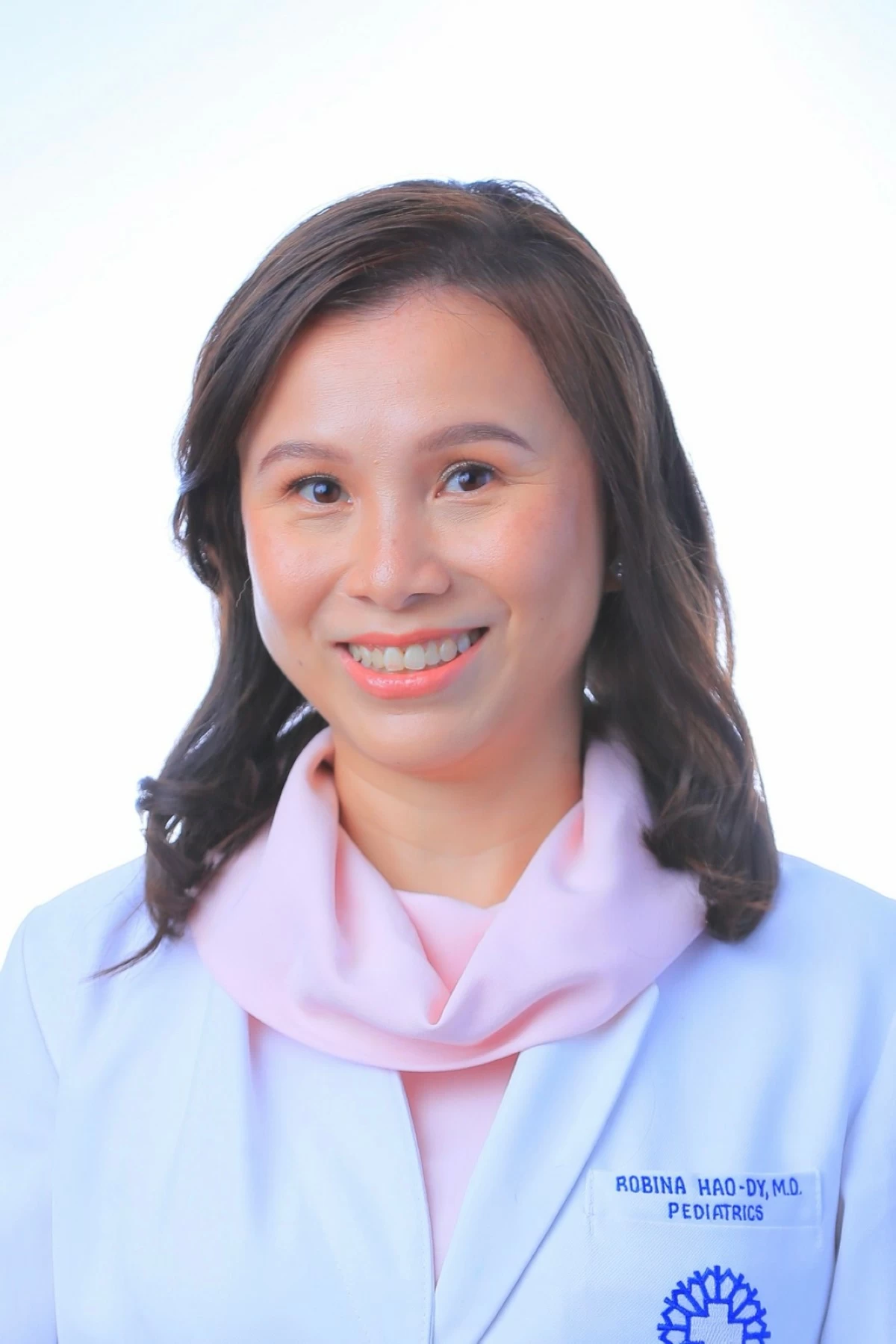
Dr. Robina Hao Dy
Dr. Robina Hao Dy
To understand how children develop their interests, Manila Bulletin Lifestyle spoke with developmental pediatrician Robina Hao Dy, who also has three children of her own. “As parents, we should be very attuned to what our kids choose to do in their free time, what activities sustain their attention,” she says. “Are they into movement activities like dancing, running, or are they into crafts like drawing?”
What to look for
Interests often reveal themselves in small ways—what a child returns to, what holds their attention a little longer than expected. “For those who are more extroverted, they tend to lean toward team sports, high-pressure environments, or sports requiring social interaction,” Dr. Robina explains. “Whereas those who are more introverted prefer sports that can be played solitarily, like golf.”
What matters more, however, is motivation. “They do it without incentives or pressure. They keep coming back on their own. They explore, ask questions, and go beyond what’s required,” she says. “In short: They do it because they want to, not because they have to.”
When interest isn’t real
This can be easily overlooked, especially when progress is visible. A child may continue an activity because of praise or routine, but that does not always mean genuine interest. Sometimes, the influence comes from peers. “Your child becomes suddenly interested in something because his friend is in it,” Dr. Robina notes. “They would rather talk about enjoying the activity because of the people in it rather than the activity itself.”
Still, peer influence is not always negative. It can lead to real interest. The concern is when children are not given enough space to explore on their own.
The role of exploration
“This will actually depend on the age of the child,” she explains. “For younger kids, we can give them more time to explore so they will know what they like or don’t like.”
In the early years, variety matters more than consistency. Trying different activities helps children discover both strengths and preferences. As they grow older, staying with something becomes more important—not just for skill-building, but for learning how to persist.
Watch for burnout
Even with the best intentions, overscheduling can take away the joy from something a child once enjoyed. “Burnout in kids often builds gradually, especially when activities shift from enjoyable to pressured,” Dr. Robina says.
The signs are often subtle. A child who once looked forward to practice may begin to resist. Energy drops. Motivation fades. Sometimes, it shows up physically. “That’s why, as parents, we need to always check in with our kids,” she adds. “Questions like, ‘Are you still happy?’”
What matters most
Happiness remains one of the clearest indicators that something is right. “Prioritize enjoyment first, then build skills,” Dr. Robina says. Enjoyment creates the kind of motivation that cannot be forced. It allows children to persist and take ownership of what they are doing. And for parents, “The goal is to stay engaged but not controlling,” she reminds.
For parents who worry their child has not yet found a passion, Dr. Robina offers reassurance.“Many children don’t actually find their thing until their adolescent period, some even college or adulthood,” she says.
Not every interest is meant to last, and not every child needs to decide early. Sometimes, paying attention is more than enough.

Related Tags

Parenting
ADVERTISEMENT
.most-popular .layout-ratio{ padding-bottom: 79.13%; } @media (min-width: 768px) and (max-width: 1024px) { .widget-title { font-size: 15px !important; } }

{{ articles_filter_1561_widget.title }}

.most-popular .layout-ratio{ padding-bottom: 79.13%; } @media (min-width: 768px) and (max-width: 1024px) { .widget-title { font-size: 15px !important; } }

{{ articles_filter_1562_widget.title }}

.most-popular .layout-ratio{ padding-bottom: 79.13%; } @media (min-width: 768px) and (max-width: 1024px) { .widget-title { font-size: 15px !important; } }

{{ articles_filter_1563_widget.title }}

{{ articles_filter_1564_widget.title }}

.mb-article-details { position: relative; } .mb-article-details .article-body-preview, .mb-article-details .article-body-summary{ font-size: 17px; line-height: 30px; font-family: "Libre Caslon Text", serif; color: #000; } .mb-article-details .article-body-preview iframe , .mb-article-details .article-body-summary iframe{ width: 100%; margin: auto; } .read-more-background { background: linear-gradient(180deg, color(display-p3 1.000 1.000 1.000 / 0) 13.75%, color(display-p3 1.000 1.000 1.000 / 0.8) 30.79%, color(display-p3 1.000 1.000 1.000) 72.5%); position: absolute; height: 200px; width: 100%; bottom: 0; display: flex; justify-content: center; align-items: center; padding: 0; } .read-more-background a{ color: #000; } .read-more-btn { padding: 17px 45px; font-family: Inter; font-weight: 700; font-size: 18px; line-height: 16px; text-align: center; vertical-align: middle; border: 1px solid black; background-color: white; } .hidden { display: none; }
function initializeAllSwipers() { // Get all hidden inputs with cms_article_id document.querySelectorAll('[id^="cms_article_id_"]').forEach(function (input) { const cmsArticleId = input.value; const articleSelector = '#article-' + cmsArticleId + ' .body_images'; const swiperElement = document.querySelector(articleSelector); if (swiperElement && !swiperElement.classList.contains('swiper-initialized')) { new Swiper(articleSelector, { loop: true, pagination: false, navigation: { nextEl: '#article-' + cmsArticleId + ' .swiper-button-next', prevEl: '#article-' + cmsArticleId + ' .swiper-button-prev', }, }); } }); } setTimeout(initializeAllSwipers, 3000); const intersectionObserver = new IntersectionObserver( (entries) => { entries.forEach((entry) => { if (entry.isIntersecting) { const newUrl = entry.target.getAttribute("data-url"); if (newUrl) { history.pushState(null, null, newUrl); let article = entry.target; // Extract metadata const author = article.querySelector('.author-section').textContent.replace('By', '').trim(); const section = article.querySelector('.section-info ').textContent.replace(' ', ' '); const title = article.querySelector('.article-title h1').textContent; // Parse URL for Chartbeat path format const parsedUrl = new URL(newUrl, window.location.origin); const cleanUrl = parsedUrl.host + parsedUrl.pathname; // Update Chartbeat configuration if (typeof window._sf_async_config !== 'undefined') { window._sf_async_config.path = cleanUrl; window._sf_async_config.sections = section; window._sf_async_config.authors = author; } // Track virtual page view with Chartbeat if (typeof pSUPERFLY !== 'undefined' && typeof pSUPERFLY.virtualPage === 'function') { try { pSUPERFLY.virtualPage({ path: cleanUrl, title: title, sections: section, authors: author }); } catch (error) { console.error('ping error', error); } } // Optional: Update document title if (title && title !== document.title) { document.title = title; } } } }); }, { threshold: 0.1 } ); function showArticleBody(button) { const article = button.closest("article"); const summary = article.querySelector(".article-body-summary"); const body = article.querySelector(".article-body-preview"); const readMoreSection = article.querySelector(".read-more-background"); // Hide summary and read-more section summary.style.display = "none"; readMoreSection.style.display = "none"; // Show the full article body body.classList.remove("hidden"); } document.addEventListener("DOMContentLoaded", () => { let loadCount = 0; // Track how many times articles are loaded const offset = [1, 2, 3, 4, 5, 6, 7, 8, 9, 10]; // Offset values const currentUrl = window.location.pathname.substring(1); let isLoading = false; // Prevent multiple calls if (!currentUrl) { console.log("Current URL is invalid."); return; } const sentinel = document.getElementById("load-more-sentinel"); if (!sentinel) { console.log("Sentinel element not found."); return; } function isSentinelVisible() { const rect = sentinel.getBoundingClientRect(); return ( rect.top < window.innerHeight && rect.bottom >= 0 ); } function onScroll() { if (isLoading) return; if (isSentinelVisible()) { if (loadCount >= offset.length) { console.log("Maximum load attempts reached."); window.removeEventListener("scroll", onScroll); return; } isLoading = true; const currentOffset = offset[loadCount]; window.loadMoreItems().then(() => { let article = document.querySelector('#widget_1690 > div:nth-last-of-type(2) article'); intersectionObserver.observe(article) loadCount++; }).catch(error => { console.error("Error loading more items:", error); }).finally(() => { isLoading = false; }); } } window.addEventListener("scroll", onScroll); });

Sign up by email to receive news.