






 Business
Trade & Industry
Rice prices may hit ₱70 per kilo as oil surge threatens food costs
Business
Trade & Industry
Rice prices may hit ₱70 per kilo as oil surge threatens food costs
Rice prices may hit ₱70 per kilo as oil surge threatens food costs


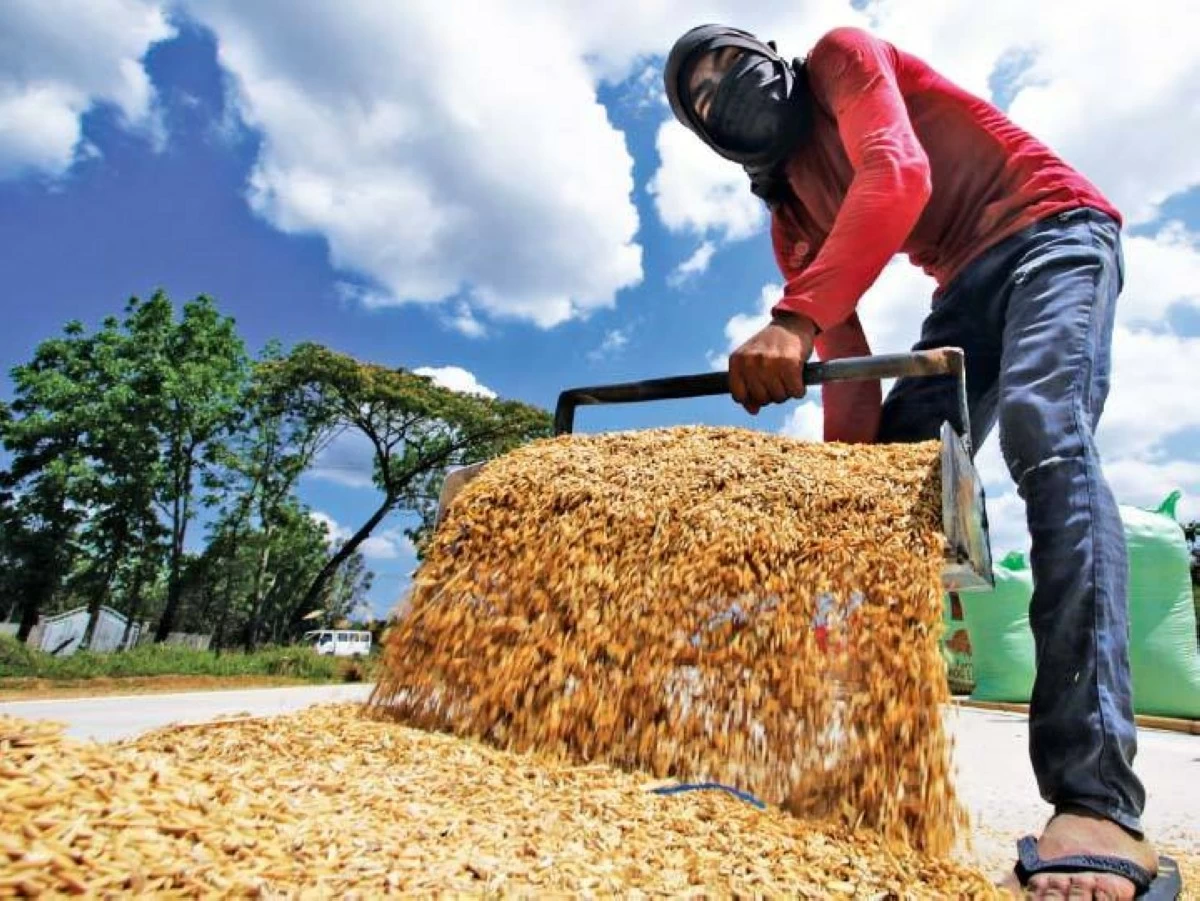
Prices of well-milled rice could increase from around ₱45 per kilo to nearly ₱70 per kilo before the end of the year if fuel prices remain elevated due to escalating tensions in the Middle East, according to the Department of Agriculture (DA).
During a hearing of the Senate Committee on Proactive Response and Oversight for Timely and Effective Crisis Strategy (PROTECT) on Tuesday, March 24, Agriculture Secretary Francisco Tiu Laurel said higher fuel costs are expected to impact the prices of major food commodities this year.
As a net importer of oil, he said upward adjustments in fuel prices directly influence the cost of production, fertilizers, and logistics.
Under a scenario where oil prices average $100 per barrel until May, the DA expects prices of well-milled rice to increase slightly from ₱45 per kilo before the conflict erupted in late February to ₱48.48 per kilo.
Should oil prices reach $200 per barrel through September, retail prices of the staple could go as high as ₱67.12 per kilo.
With fertilizer prices also increasing on the back of higher fuel costs, Agriculture Assistant Secretary U-Nichols Manalo said rice production would likely decline as farmers scale back on the use of the planting input.
In a scenario where oil prices hit $300 per barrel until May, he said the country could see a decline of 3,905 metric tons (MT) from a projected output of 8.74 million MT.
If these prices remain at this level until September, the country may lose 744,118 MT from a production level of 11.12 million MT.
Manalo said similar increases are expected in other commodities if oil prices continue to rise.
For instance, chicken prices could increase from a pre-conflict level of ₱200 per kilo to as much as ₱324.64 per kilo if oil prices soar to $200 per barrel.
Meanwhile, pork liempo (belly) and pigue (ham), which fetch around ₱350 per kilo and ₱370 per kilo, respectively, may increase to ₱588.10 per kilo.
To ensure that consumers remain protected from these price hikes, Tiu Laurel said the government should ramp up safeguard measures through more rigorous price monitoring, targeted food assistance, strategic buffer stock releases, and the imposition of price caps where needed.
He also said the government may consider mitigating input costs through fuel subsidies and the use of biofertilizers, organic alternatives, and diversified fertilizer sources.
In addition, he said the government may reduce logistics costs through increased investments in cold chains and farm-to-market roads.