







DOE targets ₱2/kWh cut as bills could spike 16%


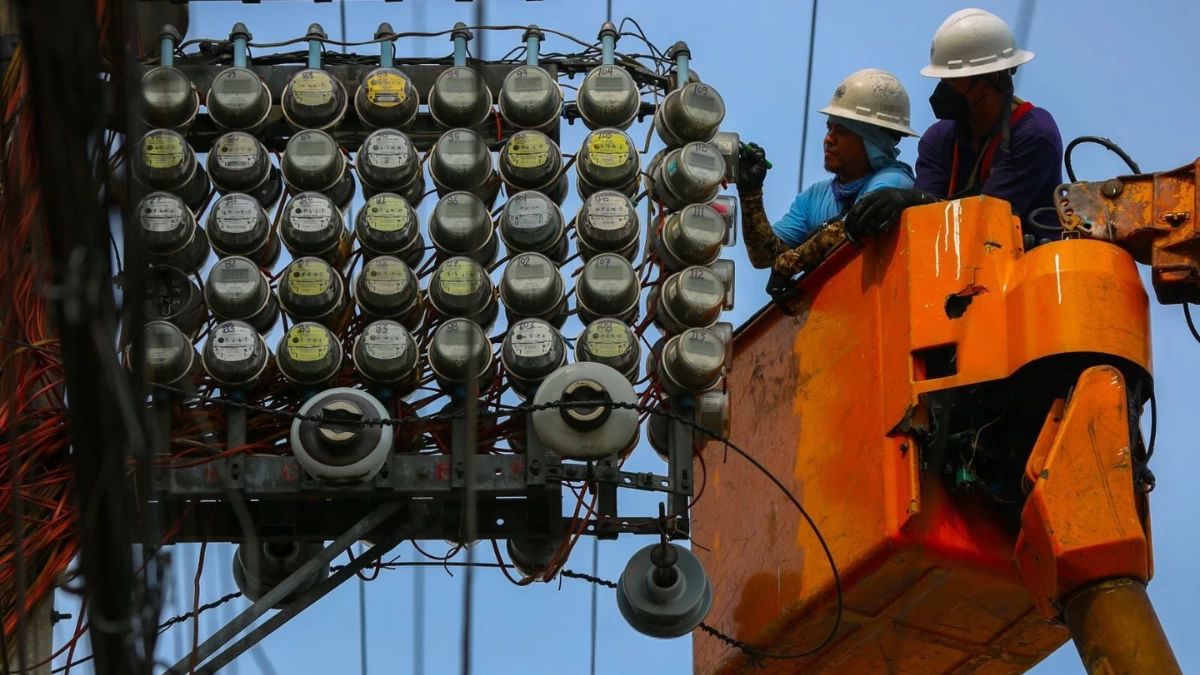
The Department of Energy (DOE) is moving to shield consumers from a looming electricity shock, targeting a ₱2-per-kilowatt-hour (kWh) reduction even as market studies warn power bills could jump by up to 16 percent amid the escalating Middle East conflict.
Energy Secretary Sharon Garin said on Tuesday, March 24, that the country’s largest distribution utility, Manila Electric Co. (Meralco), could be particularly affected, as 60 percent of its power supply comes from liquefied natural gas (LNG), whose prices follow volatile global markets.
Meralco, which serves about 8.18 million customers in its franchise area, could see generation costs surge if global LNG and diesel prices continue to climb.
As geopolitical tensions persist, how can the government manage the risks of power bill increases? Garin said the DOE is intensifying measures to cushion consumers from sharp price spikes.
According to Garin, the DOE has engaged the Energy Regulatory Commission (ERC) to strategize on prioritizing lower-cost fuels in the overall generation mix.
“We met with Indonesia to assure us of our steady supply of coal. We talked to the [coal-fired power plant] companies to check how much they can increase in generation,” she explained, highlighting the need to maximize coal output as a temporary measure.
To further reduce reliance on imported LNG, Garin instructed a fast-track of renewable energy (RE) projects, aiming to generate about 300 megawatts (MW) to support rising electricity demand ahead of the summer season.
“If we are successful in implementing this, at least it would reduce the increase in electricity rates... We’re targeting to have [the spike] down by ₱2,” she said.
The ERC has also outlined strategies to cushion consumers, including staggering rate increases over several months, preventing irregularities in the spot market, reviewing power supply contracts, and implementing potential generation swap plans, as the DOE chief noted.